Former FIFA President Sepp Blatter Supports Appeal to Avoid the World Cup
Rising Controversies Over the 2026 FIFA World Cup: Sepp Blatter’s Call to Action
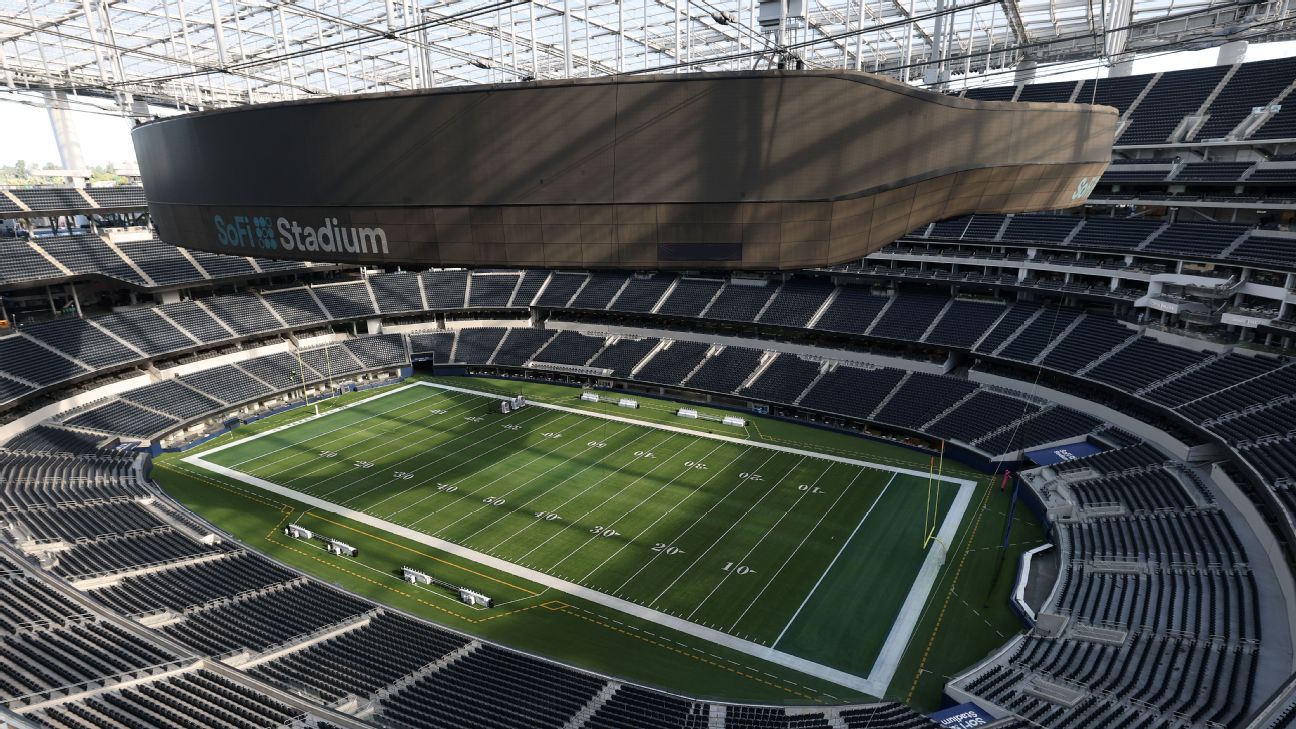
The anticipation for the 2026 FIFA World Cup is palpable, with the United States, Canada, and Mexico gearing up to host one of the world’s largest sporting events from June 11 to July 19. However, recent remarks made by former FIFA president Sepp Blatter, alongside growing dissent within the international soccer community, have triggered a wave of discussions regarding the political atmosphere in the U.S. and its impact on this grand tournament.
Blatter’s Concerns and Support for Boycotting
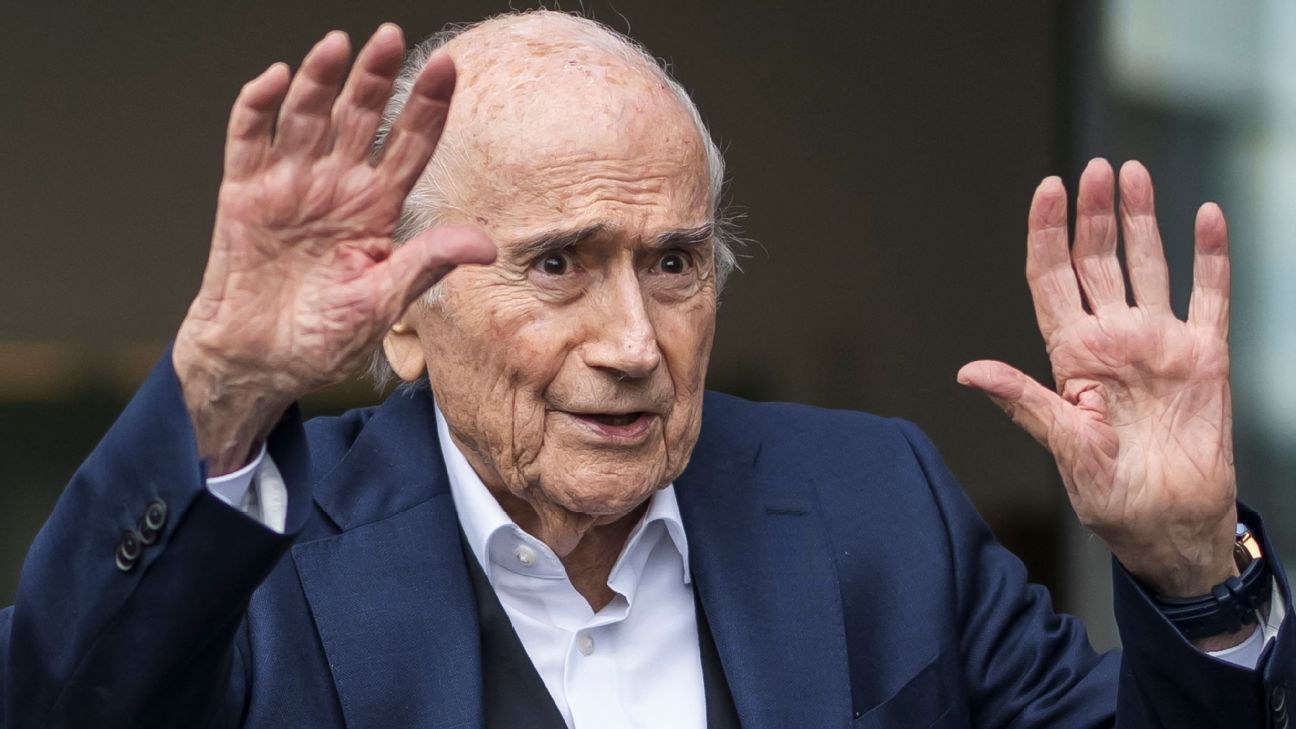
On January 26, 2026, Blatter echoed the thoughts of Mark Pieth, a Swiss legal expert and prominent anti-corruption advocate, urging fans to “stay away” from the World Cup matches in the United States. These comments stem from worries about the political climate under President Donald Trump’s administration, which has been characterized by aggressive immigration policies, controversial travel bans, and a general climate of unrest. Blatter’s support for Pieth’s statement raises questions about the suitability of the U.S. as a host nation for an event that revolves around inclusivity and global unity.
Pieth’s remarks, issued in an interview with the Swiss newspaper Der Bund, emphasized the considerable risks that fans could face when attending matches in the U.S. He cautioned that upon arrival, attendees might encounter a hostile environment that could lead to their deportation, should they ruffle the feathers of local officials. The gravity of this advice underlines an alarming truth: the melding of politics and sports may be impacting the way fans perceive their experiences overseas.
The Broader International Perspective
Blatter and Pieth are not alone in their assessments. Oke Göttlich, a vice president of Germany’s soccer federation, recently suggested it’s time to seriously consider a boycott of the World Cup due to the aforementioned political climate. Such statements evoke a feeling of unease among supporters who may now question their safety and freedom while engaging with American culture during such a significant event.
Concerns have been amplified by past experiences that have thrown travel plans into disarray for fans from various countries. The Trump administration’s previously enacted travel bans created significant obstacles for supporters from nations like Senegal and Ivory Coast, effectively blocking access for those wishing to cheer for their teams. The inclusion of Iran and Haiti in travel restrictions only solidifies fears that international camaraderie could be marred by political undertones.
NFL and FIFA: The Price of Participation
Another layer of complexity surrounding the 2026 World Cup is the issue of ticket prices, which have already drawn significant backlash. With skyrocketing costs reflected in a recent report citing Category 1 final tickets at a staggering price of $8,680, many fans are becoming increasingly frustrated. The decision to employ dynamic pricing models has led to a perception that the World Cup is catering more to affluent spectators rather than the traditional soccer fanbase.
FIFA President Gianni Infantino has acknowledged these concerns, stating that fan enthusiasm remains high despite the criticisms. He emphasized the importance of celebrating football collectively, which raises the question: will the extraordinary cost of attending overshadow the very spirit of the event?
Navigating a New Landscape
Navigating the complexities surrounding the 2026 FIFA World Cup requires balancing both enthusiasm for the game and recognition of the political and economic factors in play. Blatter’s comments serve as a reminder that the world of sports is intertwined with societal issues that impact fans on multiple levels. The discussion around boycotting highlights an essential consideration: can a celebratory global event truly thrive amid such significant dissonance?
As the event approaches, the international soccer community watches closely how these dynamics will unfold. Will fans heed warnings and choose to stay away? Or will their love for the game overpower fears, uniting supporters across borders in a celebration of sportsmanship and cultural exchange? The answers may redefine not only the World Cup but also how sport interacts with society in an ever-evolving global landscape.