Forecasting the USMNT’s Starting Formation for the 2026 World Cup
The Evolution of the USMNT: 2026 World Cup Projections
The landscape of American soccer has undergone dramatic changes in just a few years, transforming the U.S. Men’s National Team (USMNT) into a more formidable presence on the international stage. With less than a year until the 2026 World Cup, let’s delve into who might represent the U.S. on that grand stage. We’ll explore the historical context, current player performances, and projections for the upcoming tournament, drawing insights from previous World Cup lineups.
A Glimpse Back: Recent Turbulence and Triumphs
The journey to the World Cup is often marked with highs and lows, and the USMNT is no stranger to this rollercoaster. Ryan O’Hanlon reflects on pivotal moments over the last 18 months, from disappointing eliminations to a thrilling victory over Uruguay. Those who remember the struggles of the Gold Cup final against Mexico and the agonizing defeat at the hands of Panama in the Nations League understand the fierce motivation fueling the current squad. With the arrival of Mauricio Pochettino, a coach with accolades to his name, the hope is that U.S. soccer has found a guiding hand capable of steering the ship toward success.
Team dynamics have shifted dramatically, reflecting a blend of homegrown talent and established European league players who now represent the U.S. on the world’s stage. This amalgamation brings a new air of confidence, underscoring that the American side is evolving beyond mere participation to becoming genuine competitors.
Dissecting Previous World Cup Lineups
To gauge who might start for the USMNT in 2026, we must analyze the rosters from past tournaments. In both 2010 and 2014, the team featured several predictable names based on prior performances, such as Tim Howard, Michael Bradley, and Clint Dempsey, alongside a mix of familiar yet lesser-known players who emerged during qualifying campaigns.
For instance, during the 2010 World Cup, the lineup against England showcased players who contributed significantly to the squad in the year prior. The same trend continued in 2014, with a couple of surprising omissions, epitomized by Landon Donovan, whose absence shocked many fans. However, players from the U.S. pool are characterized by their adaptability, and the inclusion of newcomers due to injuries or shifts in form is not uncommon.
Fast forward to 2022, where the emergence of youth and changes in player pool dynamics told a different story. With many players in European clubs gaining firmer footholds, the 2022 lineup leaned heavily on young talents like Sergiño Dest, Tyler Adams, and Weston McKennie, indicating a growing emphasis on skill and creativity.
Current Standouts: The Road to 2026
As we look ahead, several players have been consistent fixtures who might star in the upcoming tournament. Based on minutes played and contributions over the past year, names like Matt Freese and Tim Ream appear destined for starting roles. However, shining a light on emerging talents is critical; players under the radar, such as Diego Luna and Alex Freeman, are showcasing potential that might surprise fans come the World Cup.
The focal point of the team will invariably hinge on the health and form of standout individuals—Christian Pulisic, for one, has been a game-changer, being the best player in the soccer pool and a key figure when fully fit. Yet, factors such as injuries or performances in club league play can jeopardize spots for many other skilled players, highlighting the unpredictable nature of selecting the squad.
Additionally, the tactical mindset of Pochettino will influence the formations and player roles, meaning adaptability and versatility will be essential in selecting the final lineup. If the formation allows for attacking wingbacks and more forward-thinking defensive setups, established players like Dest may thrive more than ever.
The Puzzle Pieces: Projecting the Starting XI
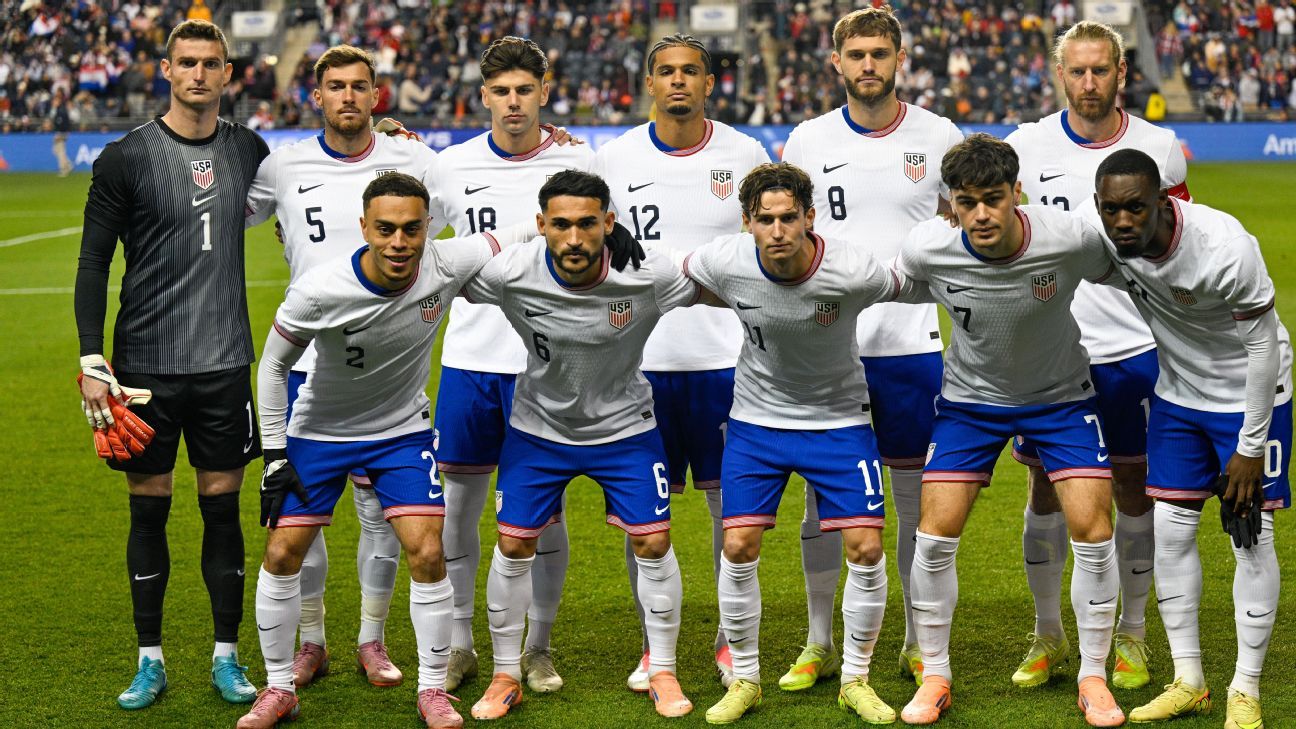
Crafting the expected starting lineup for the 2026 World Cup comes with its share of challenges given the fluctuating form and fitness of players. Building from the last 18 months of observations, a projected starting eleven centers around experienced players combined with promising youths to create a balanced side.
Starting pieces likely include Freese in goal and an evolved back line involving Ream and the emerging Arfsten as key defensive players. Midfield stalwarts like Adams should anchor the center, while Pulisic takes the leading role in attack. The secondary striker position could remain highly contested, possibly swinging in favor of Folarin Balogun, who’s shown sharpness in recent games.
With four positions still open, attention shifts to who might fit into these strategic spots. The developmental nature of American soccer suggests that a previously underrated player may surprise selection observers. High-potential candidates like Malik Tillman could fill crucial roles; he embodies the spirit of those who break into the lineup unexpectedly—much like how Robbie Findley did in 2010.
Every World Cup cycle has its defining characteristics, built on the foundation of youth, skill, and the tactical styles instilled by coaches. As attention converges on the USMNT, the anticipation grows for a team that not only seeks to compete but also aspires to leave its mark on World Cup history.