Forecasting the 2026 UEFA Champions League Champion Using Historical Winners
Analyzing the Path to UEFA Champions League Glory
The UEFA Champions League (UCL) stands as the pinnacle of club football, a tournament where the best of the best battle for supremacy in Europe. As we delve into this year’s competition, it’s fascinating to observe how historical trends and analytical approaches can shape our understanding of which teams might take home the coveted trophy. With a focus on the metrics that matter, we can better grasp the elements that contribute to success on this grand stage.
The Landscape of Champions
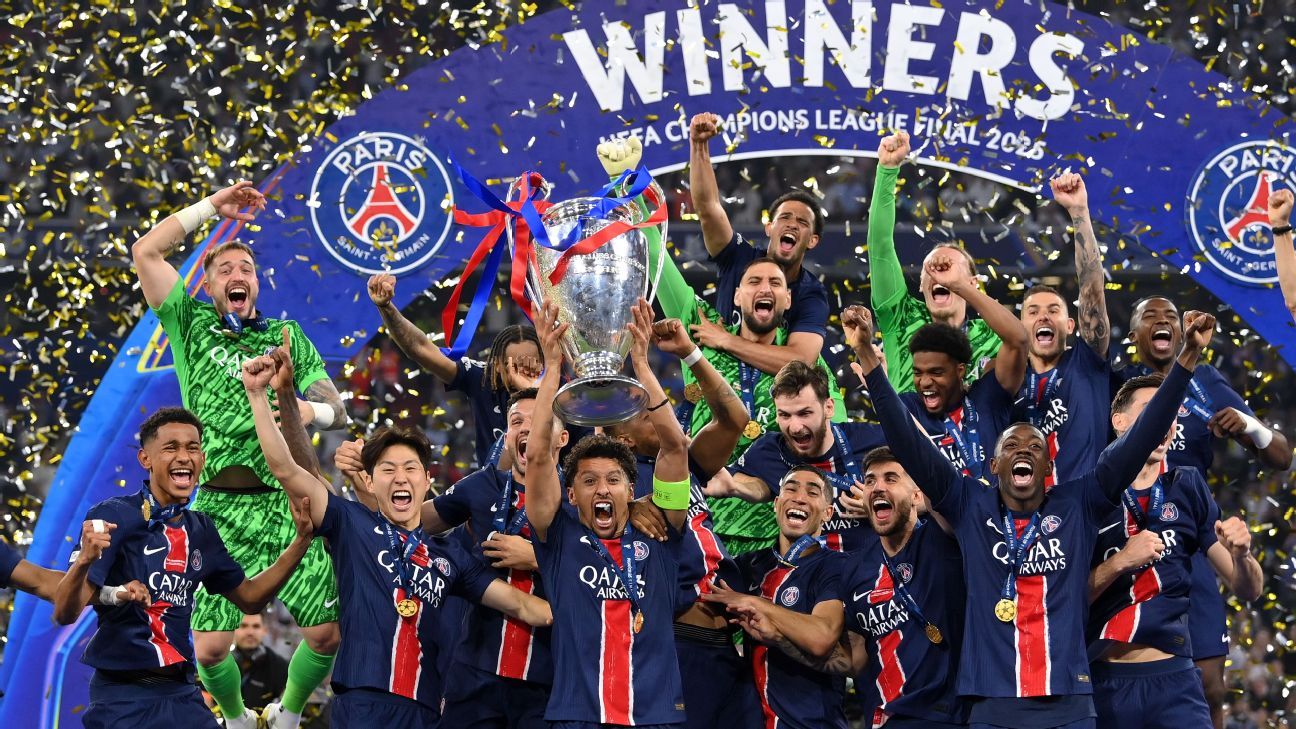
A glance at the past decade reveals a dominance of familiar names: Real Madrid, Liverpool, Bayern Munich, Chelsea, Manchester City, and Paris Saint-Germain. Together, these six clubs boast a staggering collection of 31 Champions League titles and a further 15 runner-up finishes. Their presence in the top half of this year’s bracket, dubbed the “Silver Path,” further underscores their historical prowess. Conversely, on the “Blue Path,” we find a chorus of teams vying for their first taste of glory since prior winners like Barça (2015).
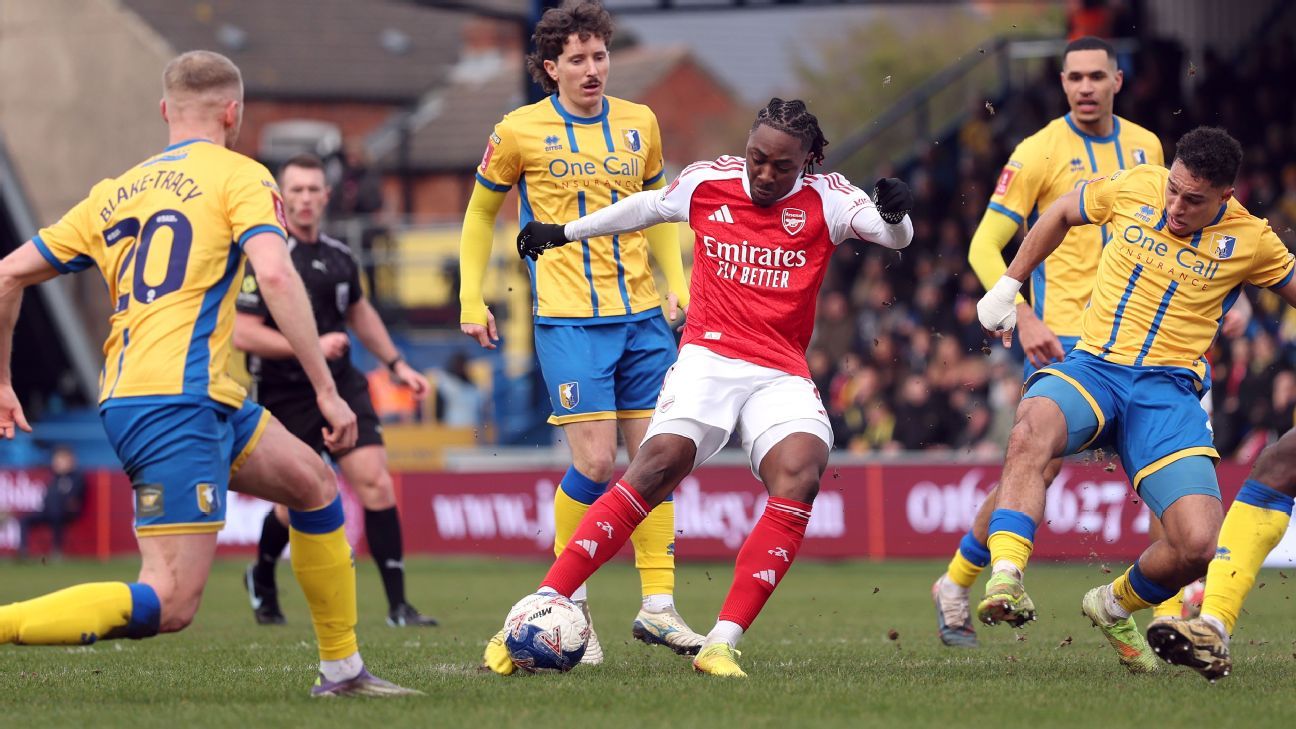
The emergence of first-time winners has set the stage for unpredictability, with Arsenal stepping into the spotlight as a leading contender this season. However, the tight competition and rich history of established champions always keep fans guessing who will rise to the top.
Predicting Outcomes Through Data
As we embark on a statistical exploration, it’s essential to merge qualitative insights with quantitative analysis. Metrics such as adjusted goals, defensive capabilities, pressing, and even crossing frequency provide a clearer picture of which teams have the best odds of success.
Scoring Goals and Creating Chances
An invaluable metric in determining potential Champions League victors is the combination of expected goals (xG) and actual goals. By adopting a blend referred to as “adjusted goals,” we gain a nuanced understanding of a team’s offensive capabilities. Notably, previous champions typically hover around the 1.6 adjusted goals per game mark.
While teams like Atlético Madrid and Newcastle fall short of this threshold, others, including Arsenal and Bayern Munich, demonstrate promise. This predictive measure serves not only as a barometer for scoring ability but also as an indicator of how well teams create opportunities, a critical component at this stage of the tournament.
Defensive Fortitude
While attacking prowess is crucial, the importance of a solid defense cannot be overstated. Historically, the Champions League-winning teams have often kept opponents at bay with adjusted goals-allowed numbers below 0.85. Current trends suggest that many of the remaining contenders sit perilously close to the 1.0 mark.
The case of Chelsea stands out, as they possess the highest adjusted goals-allowed per game this season. Conversely, teams like Liverpool and Barcelona manage to squeak under the threshold, emphasizing the delicate balance between offense and defense that champions must navigate.
The Dynamics of Pressing and Defensive Shape
The modern game increasingly rewards teams that can apply pressure and control the rhythm of play. The notion of pressing has evolved, with teams employing aggressive strategies to regain possession quickly and launch counter-attacks. The best teams in history understood the importance of high pressing; it’s noteworthy how Chelsea’s 2012 side exemplified a different method that didn’t rely on this approach, yet still triumphed.
In the ongoing competition, aggressive pressing aura is less pronounced, as evidenced by current teams like Bayer Leverkusen, who find themselves eliminated for their less forceful tendencies. The pressing statistics not only reveal how a team shapes its defensive strategies, but they also highlight the nuances of modern football tactics in the Champions League sphere.
The Cross and Pace of Play
Crossing the ball remains a contentious strategy in football; teams need a balanced approach that incorporates this method without over-relying on it. Historical analyses show that successful Champions League teams often find their crossing frequency nestled within a specific range—neither too high, nor too low.
This year, however, heavyweights like Bayern Munich and Paris Saint-Germain find themselves falling outside this sweet spot, raising questions about their capacity to break organized defenses. As the tournament progresses, their ability to adapt to opponents’ defenses will become paramount.
Similarly, a team’s pace of play has transformed over recent seasons, influenced heavily by tactical shifts and the COVID-19 pandemic. Champions have averaged fewer possessions in recent years, leading to a reevaluation of how teams can effectively control games. The remaining contenders must adapt to this new normal and make strategic choices that suit their style while finding ways to impose their game on their adversaries.
Navigating the murky waters of the Champions League reveals both the historical context of past successes and the important analytical lens through which we view present-day teams. As the tournament unfolds, the interplay of data, tactics, and individual moments will ultimately define which club triumphs in European football’s most coveted competition.