FIFA selects TikTok as its video content collaborator for the 2026 World Cup.
TikTok and FIFA: A Game-Changing Partnership for the World Cup
In an exciting development for soccer fans and content creators alike, FIFA has officially chosen TikTok as its first-ever “preferred platform” for video content during the forthcoming men’s World Cup. This innovative collaboration marks a significant shift in how major sporting events engage with their audiences, blending traditional sports broadcasting with the dynamic world of social media. Here’s a closer look at what this partnership entails and its implications for both FIFA and TikTok users.
The World Cup Experience Reinvented
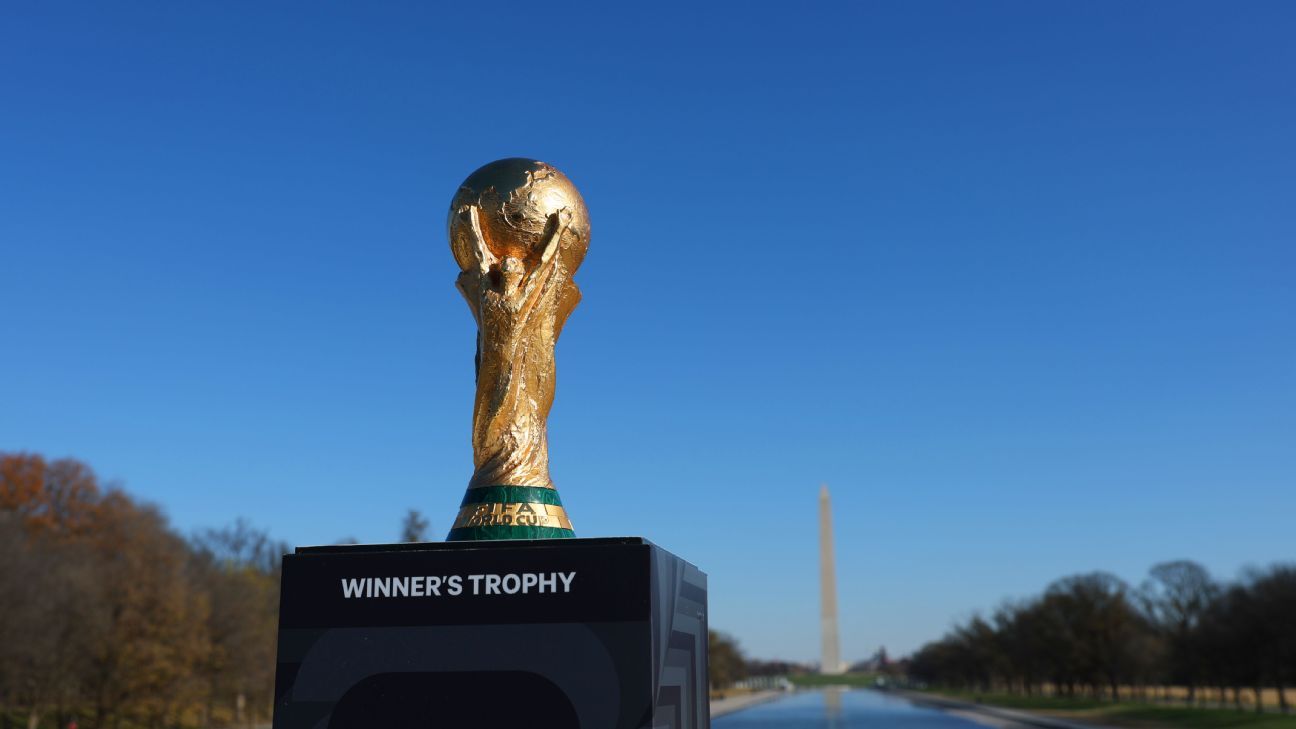
Scheduled from June 11 to July 19, the upcoming World Cup will be co-hosted across 16 cities in the United States, Mexico, and Canada. This time, fans can look forward to an enriched experience through TikTok, which boasts over 170 million users in the U.S. alone. With this agreement, FIFA aims to provide creators with special access to the tournament, allowing them to share live moments, behind-the-scenes content, and unique fan interactions in real-time.
“FIFA is committed to taking fans behind the curtain and closer to the action than ever before,” stated Mattias Grafström, FIFA’s secretary general. This emphasis on accessibility aims to create an immersive experience for fans, engaging them not just as passive viewers but as active participants in the world of football.
Streamlining Content with Livestreaming
One of the most notable features of this partnership is the ability for World Cup broadcast rights holders to livestream portions of the tournament’s 104 matches via a dedicated hub on TikTok. This is a groundbreaking step, considering that exclusive broadcasting rights in sports are typically tightly controlled. The specifics of what can be streamed remain somewhat vague, but the opportunities are vast.
The prospect of live content that allows fans to tune in for quick highlights, player updates, and even player reactions on the field can create a real-time buzz that traditional media lacks. TikTok has previously experimented with such approaches; its partnership with Major League Soccer (MLS) and Apple TV, for instance, showcased exclusive footage dedicated to soccer superstar Lionel Messi during his tenure with Inter Miami. This model allows TikTok to capture and monetize those spontaneous, electrifying moments that define sports.
Engaging Fans with Unique Features
Another exciting aspect of TikTok’s World Cup hub will be the engagement incentives it offers. Users can expect custom stickers, filters, and gamification elements that can enhance their viewing experience, turning mere spectators into active fans. This approach not only deepens fan investment in the sport but also boosts overall engagement on the platform.
James Stafford, TikTok’s global head of content, illustrated the impact of such initiatives: “Fans are 42% more likely to tune in to live matches after watching sports content on TikTok.” This statistic underscores TikTok’s effectiveness in fostering a community of engaged viewers, paving the way for increased viewership during the World Cup.
Navigating Challenges and Opportunities
While the partnership comes with numerous benefits, it’s worth noting the backdrop of scrutiny that TikTok faces. The app has been under threat of shutdown in the U.S. due to national security concerns, which adds a layer of complexity to its ambitious plans for engagement during a global event. Earlier this year, TikTok’s parent company ByteDance took steps to secure a U.S. joint venture with investors Oracle and Silver Lake, a strategic move designed to alleviate some of those concerns while retaining access to its massive user base.
Despite these challenges, the collaboration between FIFA and TikTok offers a lucrative platform for sports professionals and brands alike, potentially reshaping how social media intersects with consumer behavior during one of the most-watched events on the planet. With fans eager for new and engaging ways to connect with soccer, this revolutionary partnership certainly has the potential to set new standards in sports marketing and audience engagement.
The pairing of TikTok’s creative and interactive potential with FIFA’s storied history in sports creates a uniquely promising landscape that could define the future of both football and content creation. As the tournament approaches, all eyes will be on how these offerings materialize in real-time, creating a vibrant digital tapestry of the World Cup experience.