FIFA President Gianni Infantino Alleged to Have Violated Regulations Concerning Trump
FIFA President Gianni Infantino Accused of Political Breach
An Unprecedented Allegation: Support for Donald Trump
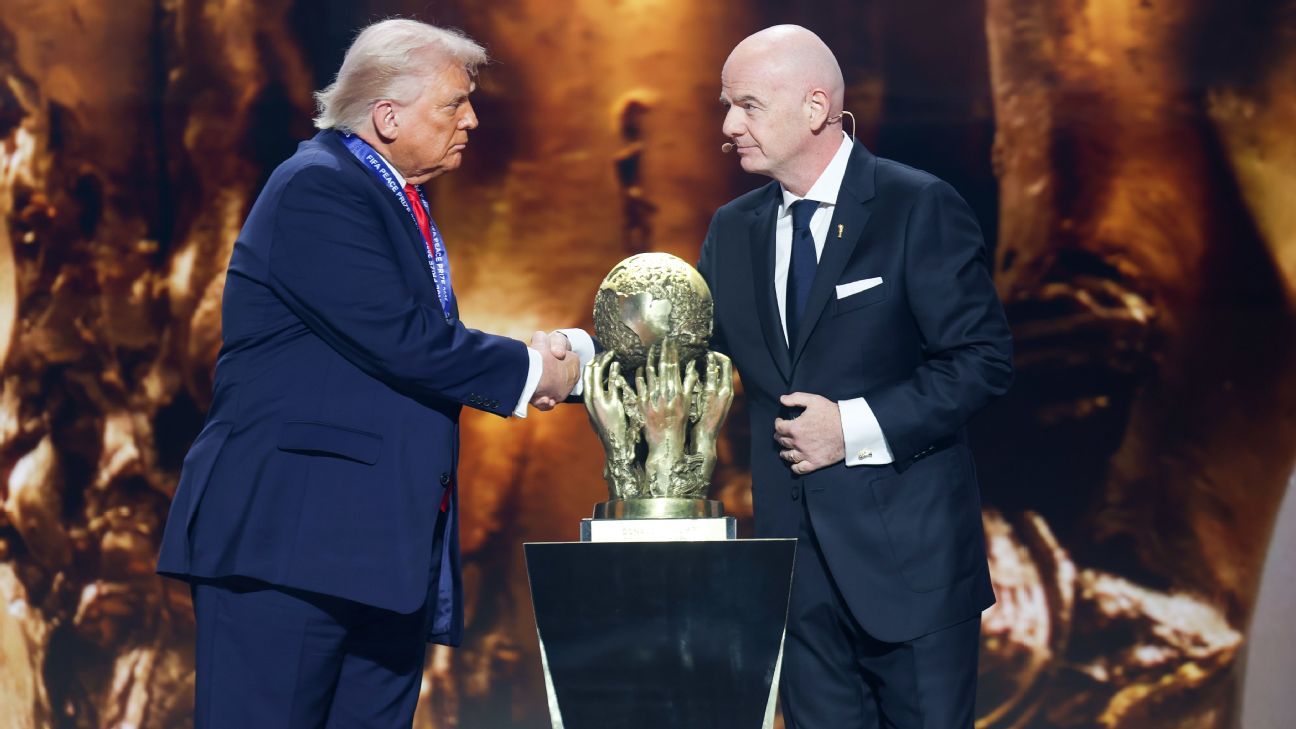
In a surprising twist in the realm of sports governance, Gianni Infantino, president of FIFA, has come under scrutiny for allegedly violating the organization’s foundational principles of political neutrality. This accusation stems from his vocal support for former U.S. President Donald Trump and the controversial peace prize awarded to him by FIFA. London-based human rights organization FairSquare filed a formal request for an investigation, emphasizing that Infantino’s actions contradict FIFA’s ethics code, which explicitly prohibits political affiliations.
The organization points to Infantino’s public endorsement of Trump, where he stated that Trump “definitely deserves” the Nobel Peace Prize. By aligning with a sitting U.S. president, FairSquare argues that Infantino has breached his statutory duty to keep FIFA politically neutral, a core value that should underpin the operations of any global sports federation. An eight-page complaint submitted by FairSquare outlines how such endorsements undermine the very essence of an organization designed to bridge diverse cultures and backgrounds through the universal language of soccer.
FIFA’s Ethics Code: The Implications of Neutrality
FIFA’s ethics code is clear: any breach of neutrality could result in severe repercussions, including bans from soccer activities for up to two years. Yet, the question looms—will FIFA’s ethics committee address this complaint? Historically, observers have expressed concerns about the independence of FIFA’s current ethics investigators compared to their predecessors from a decade ago, especially following the notorious scandals that led to Sepp Blatter’s ousting.
The tectonic shifts within FIFA’s governance structure raise eyebrows about how disciplinary actions are currently handled. FairSquare’s complaint insists that the award of a peace prize to a political leader inherently violates FIFA’s neutrality, creating a conflict of interest that could have lasting repercussions not just on Infantino, but on FIFA itself. More troubling is the notion that Infantino may have acted unilaterally in establishing this award, which brings further into question the power dynamics at play within FIFA’s leadership.
Financial Motives and World Cup Dynamics
Adding another layer to this complex issue is FIFA’s upcoming Men’s World Cup, co-hosted by the U.S., Canada, and Mexico in 2026. With projections indicating potential earnings exceeding $10 billion, FIFA’s relationship with the U.S. government has become increasingly critical. Infantino’s remarks linking soccer closely with the U.S. administration suggest a strategic alignment aimed at maximizing financial returns and collaboration for the tournament’s success.
This intermingling of politics and sport has ignited conversations about the ethical boundaries within which FIFA should operate. Can the organization make claims of neutrality while boosting its profile and profits through political endorsements? Infantino’s praise of Trump during high-profile events raises the stakes, especially as political tensions unfold globally, and questions about the legitimacy of FIFA’s decisions swell.
A Broader Human Rights Perspective
FairSquare is not new to challenging FIFA’s human rights record; the organization has previously critiqued FIFA’s ties with countries like Saudi Arabia, which is set to host the 2034 World Cup. This ongoing dialogue emphasizes the pressing need for integrity and accountability in sports governance against a backdrop of globalization where human rights and corporate responsibilities are frequently at odds.
The intersection between sports and political ideologies is complicated, but it stands to reason that organizations like FIFA have an obligation to navigate these waters delicately. In their complaint, FairSquare points to how FIFA’s engagements could set a precedent for future governance, where human rights take a backseat to financial gain and political alliances. Thus, the implications of this current situation extend beyond Infantino’s actions; they permeate the very fabric of international soccer governance.
Through these developments, the conversation surrounding FIFA’s ethical obligations continues to unfold, raising pertinent questions about the future of sports leadership in an increasingly politicized world. The response—and the outcome—of FairSquare’s allegations against Gianni Infantino could well serve as a litmus test for FIFA’s commitment to its principles and its capacity for reform.