
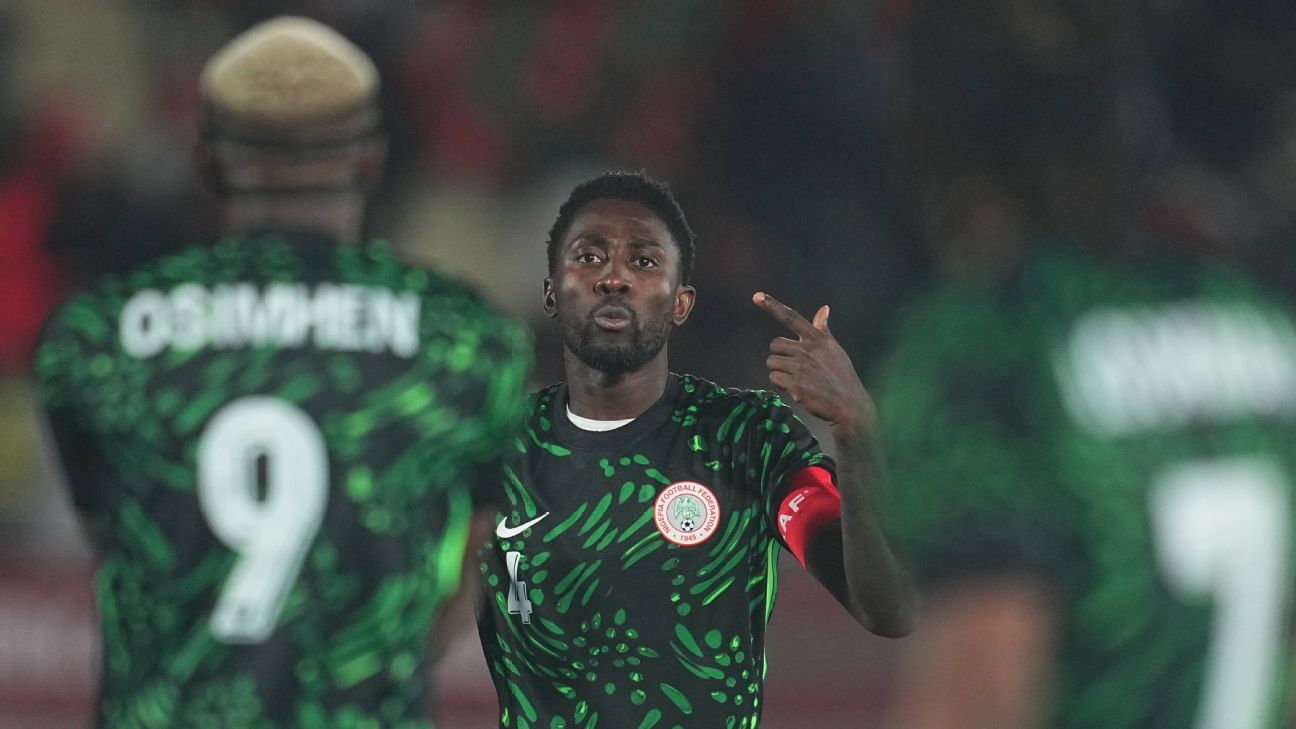
FIFA Dismisses Nigeria’s Complaint Regarding Congolese Dual Nationals for World Cup
Nigeria vs. Congo DR: A Battle Over World Cup Eligibility
The Background of Controversy
The world of international football often finds itself entangled in disputes over player eligibility, and the recent clash between Nigeria and the Democratic Republic of the Congo (Congo DR) is no exception. Following a tightly contested World Cup playoff in November 2025, in which Congo DR triumphed over Nigeria via a penalty shootout, questions were raised about the eligibility of several players on the Congolese roster. The Nigeria Football Federation (NFF) swiftly acted by filing a protest with FIFA, sparking a dramatic saga set against the backdrop of the upcoming intercontinental playoffs.
In those final moments of the CAF World Cup playoff, with the score locked at 1-1 after extra time, the stakes were soaring. When the dust settled and penalties were taken, Nigeria was left reeling, and the NFF promptly began to scrutinize the circumstances that led to their defeat. Allegations centered around the Congolese players who, according to Nigeria, had switched international allegiances improperly. The core of the complaint dug into the complex legalities surrounding dual citizenship and international football regulations.
The FIFA Ruling
In a decision that sent ripples through Nigeria’s football community, FIFA’s Disciplinary Committee announced its rejection of the NFF’s protest. According to the NFF, the committee failed to address the substance of their arguments, prompting the federation to quickly announce plans for an appeal. Mohammed Sanusi, the NFF’s general secretary, was unequivocal in his dissatisfaction, asserting that they would take the matter to the Court of Arbitration for Sport (CAS) in hopes of a different outcome.
One key argument the NFF positions itself on is the Congolese law, which does not permit dual nationality. Nigeria’s claim revolves around the assertion that a significant number of players utilized by Congo DR during the qualifiers retained European citizenship—invalidating their eligibility for the national team under local law. However, FIFA’s regulations, stating that a player must possess a valid passport from the nation they represent, complicate the matter. The players in question reportedly held valid Congolese passports, leading FIFA to deem them eligible for international play.
Implications of the Appeal Process
The pendulum of this legal battle now swings towards the CAS, where Nigeria hopes to overturn FIFA’s ruling before the impending intercontinental playoffs set to begin on March 26, 2026. The situation is precarious; with Congo DR slated to face the victor between New Caledonia and Jamaica, time is of the essence. As each day passes, the urgency mounts for the NFF to ensure their appeal is heard at the CAS.
However, the timeline for resolutions remains ambiguous. Even if an appeal is filed, the rigorous nature of scrutiny and deliberation at CAS could stretch over weeks, raising questions about whether the verdict will arrive in time to impact Nigeria’s efforts in securing a World Cup berth. The NFF, aware of the ticking clock, remains optimistic but acknowledges the daunting challenge they face in this intricate web of international law.
The Broader Landscape of Player Eligibility
This controversy only scratches the surface of a much deeper issue—the complexities surrounding player eligibility in international football. Players shifting allegiances is not a novel concept; it occurs frequently across global footballing institutions. The themes of national identity and belonging are critical as nations navigate the rules established by FIFA that sometimes clash with domestic regulations.
Moreover, the proliferation of dual nationality in today’s globalized world means that cases like this will likely continue to emerge. The case of Nigeria versus Congo DR serves as a reminder of the need for clearer guidelines regarding citizenship—and how they intersect with the eligibility criteria set forth by football’s governing bodies. Additionally, it raises ethical questions about the role of federations in negotiating player availability across national lines.
As football evolves, so too will the interpretations of rules governing player status. The outcome of this ongoing case not only has the potential to affect Nigeria and Congo DR but could also set a precedent for future disputes worldwide. In this game of football politics, the stakes could not be higher.
Related Posts

2026 World Cup Draw: Potential Opponents for Northern Ireland and Wales

Ways for Wales, Northern Ireland, and the Republic of Ireland to secure qualification for the 2026 World Cup through European playoffs: Path, challenges, and upcoming group scenarios.