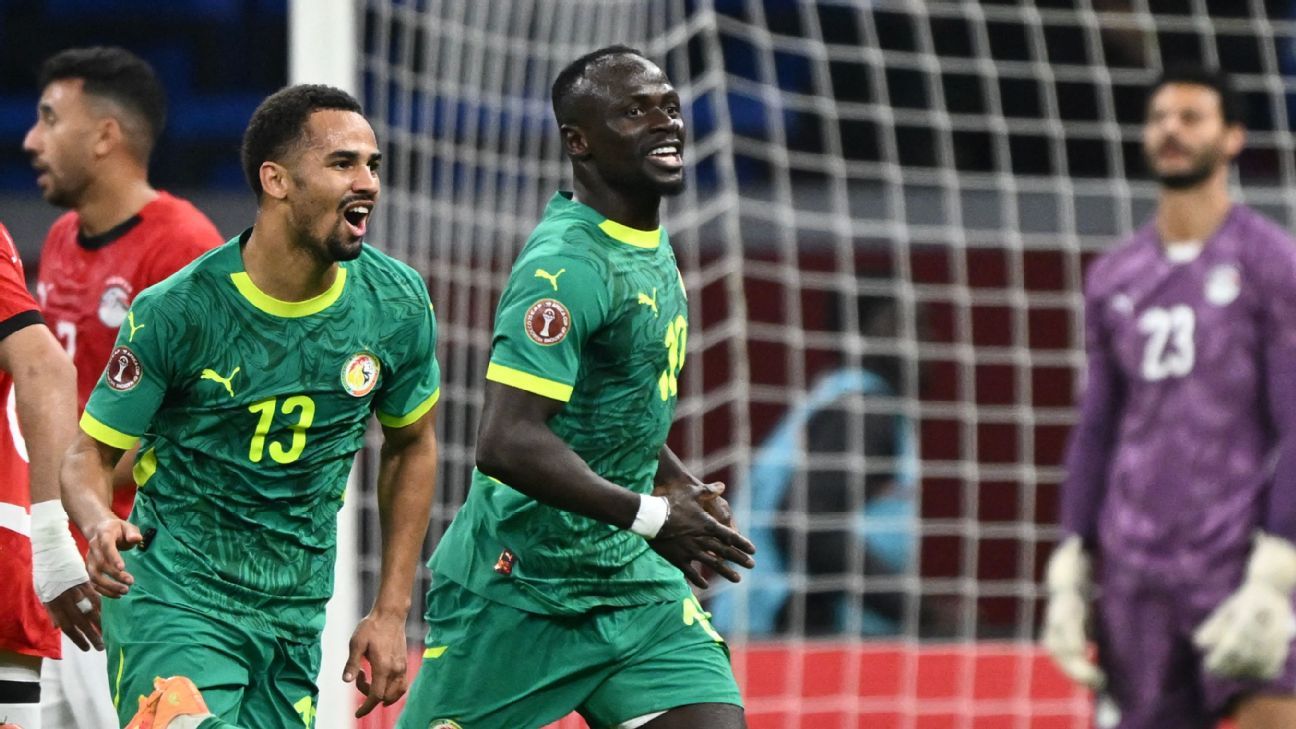

FIFA agreement enables betting companies to broadcast World Cup matches.
FIFA’s Growing Partnership with the Betting Industry
In an unprecedented move reflecting the intertwining of sports and commerce, FIFA has established a significant four-year partnership with the betting industry. This collaboration, announced recently, will grant certain gambling operators the ability to livestream World Cup games, propelling FIFA’s commercial interests into new realms. This partnership is particularly timely as the men’s World Cup is set to commence on June 11, 2026, in a grand showcase across the United States, Canada, and Mexico. As sports betting gains traction globally, FIFA’s decision underscores the growing intersection of sports, technology, and gambling.
The Details of the Deal
FIFA’s partnership with Stats Perform, a leading data provider known for its analytics and insights into soccer statistics, will run through 2029. This contract not only allows the distribution of official betting data and livestreams for FIFA competitions but also offers “exclusive betting rights to thousands of matches per season.” Although FIFA has not disclosed the financial specifics of this arrangement, the implications are massive—not just for FIFA, but for the entire landscape of sports betting.
This deal comes as FIFA seeks to enrich its offerings on the FIFA+ platform, which already features games from various FIFA competitions and highlights from World Cup archives. Additionally, with the integration of a partnership with DAZN, a streaming network backed by Saudi Arabia, FIFA+ will further enhance its capabilities, catering to a wider audience of soccer fans and bettors alike.
Governance and Ethics in a Changing Landscape
Interestingly, this partnership takes place despite FIFA’s existing code of ethics, which explicitly prohibits players, officials, and agents from engaging in any form of betting connected to football. This paradox highlights the evolving attitudes toward gambling within sports organizations. As public perception shifts and more jurisdictions legalize sports betting, governing bodies like FIFA face a unique challenge: balancing integrity with commercial viability.
FIFA’s prior engagement with the betting industry was limited, mainly as a regional sponsor for the 2022 World Cup in Qatar. The new agreement marks a shift toward deeper involvement and suggests that FIFA may be willing to adapt its policies as it navigates this new terrain. The challenge will be to maintain the integrity of the game while leveraging the immense financial incentives that come from partnerships with betting companies.
The Role of Technology in Sports Betting
Key to the success of this partnership will be the utilization of cutting-edge technology. Stats Perform is poised to deliver comprehensive betting data to licensed sports betting operators, enhancing the operators’ capabilities in modeling, trading, and real-time settling of bets. This technological backbone will make it easier for betting companies to engage with fans and provide them with up-to-date statistics and information during live matches.
Moreover, Stats Perform’s subsidiary, Opta, will play a crucial role in supplying clients with official player statistics, insights, live scores, and match trackers. The integration of real-time information into the betting experience could transform how fans engage with the sport, allowing for more informed decision-making when placing bets. This dynamic interplay not only enriches the viewing experience but also blurs the lines between traditional sports fandom and gambling.
Global Implications and the Future of Sports Betting
As the men’s World Cup approaches, the implications of FIFA’s new partnership with the betting industry extend beyond the immediate financial benefits. The collaboration signals a broader acceptance of gambling in sports, revealing a shift in how organizations adapt to changing consumer habits. With the increasing normalization of betting, FIFA’s partnership could act as a catalyst for other sporting organizations worldwide to follow suit.
As different regions implement their own regulations around sports betting, the commercial landscape will continue to evolve. FIFA’s move indicates that the organization is not only aware of these trends but is proactively positioning itself within this burgeoning market. Consequently, as sports betting continues to expand into new territories, it remains to be seen how FIFA and similar governing bodies will navigate challenges related to integrity, ethics, and fan engagement in the years to come.
This intricate dance between sports, betting, and technology is one that will shape the future fabric of events like the World Cup, redefining how fans interact with the games they love.