Egypt and Iran Express Concerns Over World Cup ‘Pride’ Game in Seattle
The Controversy Over LGBTQ+ Pride at the World Cup: FIFA, Egypt, and Iran’s Objections
Setting the Stage: A Historic Match in Seattle
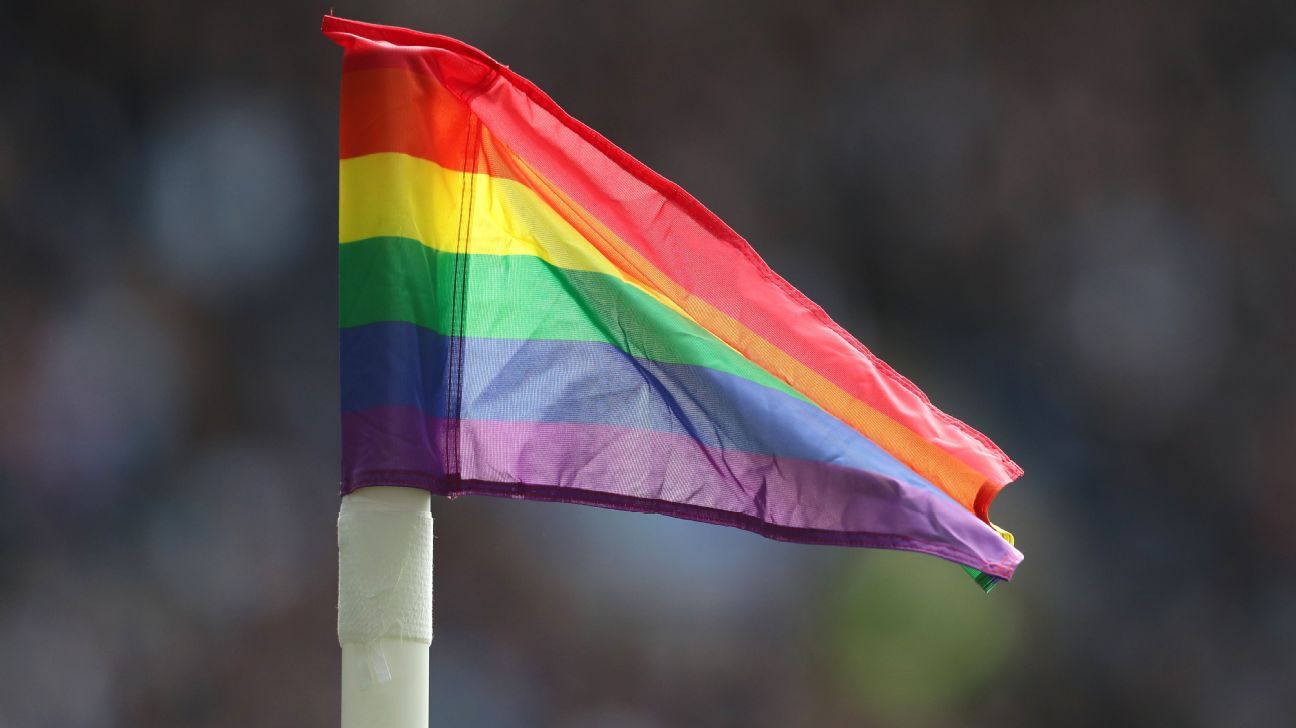
On June 26, 2026, Seattle is set to host a World Cup match between Egypt and Iran. What could have been a unifying moment in the world of sports has instead ignited tensions far beyond the soccer pitch. This particular match is unique because it coincides with Seattle PrideFest—a vibrant celebration dedicated to the LGBTQIA+ community. Local organizers are preparing for a “once-in-a-lifetime moment” aimed at showcasing and celebrating diversity and inclusion. Yet, the match has quickly turned contentious, with both Egypt and Iran objecting vehemently to the pride celebrations planned for the occasion.
Seattle PrideFest has been a fixture in the city since 2007, emphasizing the importance of creating a welcoming environment for all. The involvement of such a high-profile event with the World Cup aligns with this agenda; however, it raises questions about cultural sensitivities, especially in nations where LGBTQ+ rights are non-existent or severely restricted.
The Pushback: Egypt and Iran’s Stance
The football federations of Egypt and Iran have been vocal in their opposition. Egypt’s football governing body issued a formal letter to FIFA, stating it would “categorically reject any activities related to supporting homosexuality during the match.” The statement reflects a broader cultural and religious stance prevalent in many Arab and Islamic societies disapproving of LGBTQ+ rights. Likewise, Mehdi Taj, the head of Iran’s Football Federation, echoed these sentiments during a televised interview, criticizing FIFA’s decision to schedule the match in conjunction with Seattle PrideFest.
Both nations argue that the pride celebration disrespects cultural and religious values. Iran, which imposes capital punishment for same-sex relationships, and Egypt, where authorities regularly prosecute LGBTQ+ individuals under vague laws, view any endorsement of LGBTQ+ activities as offensive and unacceptable. Given this context, their complaints represent not only a sports-related issue but broader social and political sensitivities.
FIFA’s Dilemma: Balancing Cultural Sensitivity with Inclusivity
FIFA finds itself in a precarious position, trying to navigate between respecting the cultural norms of participating nations and championing inclusivity and human rights. The organization has faced accusations of double standards in the past. For instance, during the 2022 World Cup held in Qatar, FIFA defended the host country’s cultural norms against external criticism, particularly from European federations that attempted to promote LGBTQ+ rights by wearing “One Love” armbands.
As FIFA evaluates its response to the complaints from Egypt and Iran, it must consider the long-term implications for the World Cup’s brand and its commitment to inclusivity. While acknowledging cultural sensitivities is vital, FIFA also risks alienating LGBTQ+ fans and progressive nations that see sports as a platform for acceptance and equality. The organization’s decision—even if it simply involves allowing the celebration to proceed—could set a powerful precedent for future events.
Seattle’s Response: A Commitment to Diversity
Seattle’s organizing committee remains firm in its commitment to the PrideFest festivities, emphasizing that these events are independent of FIFA’s control. The city’s mayor-elect, Kate Wilson, framed the celebrations as an opportunity to showcase acceptance, stating that “with matches on Juneteenth and Pride, we get to show the world that in Seattle, everyone is welcome.” This assertion aligns with the city’s long-standing reputation for inclusivity.
Notably, the Pacific Northwest boasts significant diasporas from both Egypt and Iran, as well as various other communities. Organizers believe that the match presents a unique opportunity to celebrate this rich tapestry of cultures alongside LGBTQ+ pride. The art contest already underway captures this spirit of celebration, artistically blending local symbolism with themes of diversity and acceptance.
As Seattle proceeds with its programming, questions linger about how FIFA will navigate the complex dynamics of upcoming global events. For now, Seattle stands at the crossroads of sport, culture, and identity—showing that while the world of soccer may divide, community celebrations driven by inclusivity can unite.