Carrick has revived optimism at Man United. What more can he achieve?
Manchester United’s Resurgence Under Michael Carrick
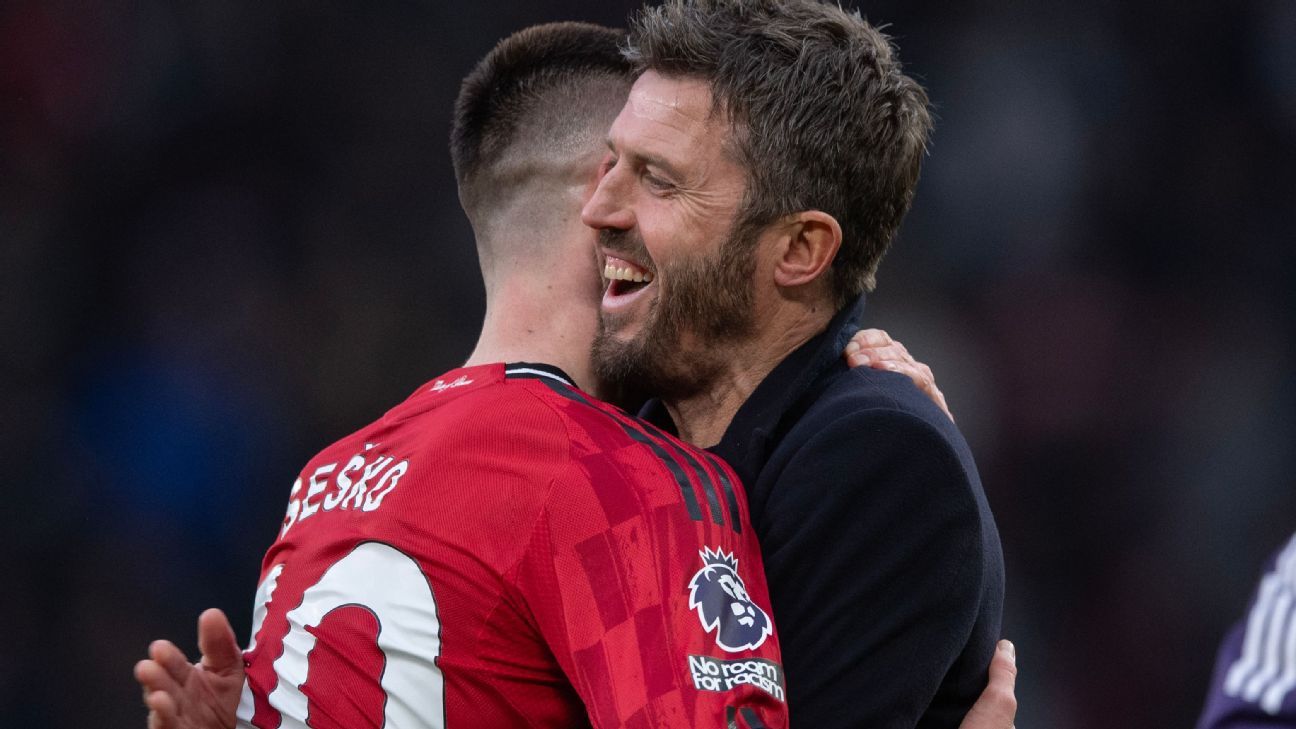
Manchester United fans are once again feeling a glimmer of hope as their club finds itself navigating through a transformative phase under the management of interim coach Michael Carrick. After years of inconsistency, the team has recently recorded three consecutive victories, including a thrilling Manchester derby and a hard-fought triumph against Arsenal. This upturn in form begs several questions about the nature of their revival: is it a mere manager bounce, or does it signify the start of something sustainable in the long run?
A Welcome Change in Leadership
Following the underwhelming tenure of Ruben Amorim, Carrick’s promotion has evoked a sense of optimism. While Amorim’s tactical inflexibility and somewhat harsh public criticisms of the squad were met with discontent, Carrick’s appointment seems to have ignited something special. His calm demeanor and intimate understanding of the club’s weighty history—having contributed significantly as a player—have resonated positively throughout the squad.
Carrick’s strategic mindset varies significantly from that of his predecessor. Where Amorim relied heavily on a rigid 3-4-2-1 system that failed to suit the players’ strengths, Carrick has opted for a more adaptable 4-2-3-1 formation. This change not only better aligns with the skill set of the team but also encourages a more fluid style of play. Carrick’s decisions to allow key players like Bruno Fernandes to push further up the pitch and engage more directly with opposition defenses have proven particularly fruitful.
Tactical Adjustments Making a Difference
One of Carrick’s immediate impacts has been his tactical adjustments that prioritize attacking flair while maintaining solid defensive structures. By reverting to a traditional back four, he has liberated players shackled by previous constraints.
Carrick’s system has utilized double defensive midfielders, allowing forward players like Fernandes and Amad Diallo to wreak havoc in opposition territories. In the process, Carrick has taken the shackles off young talents like Kobbie Mainoo, bringing him back into the fold and giving him the platform to showcase his skill set. Not forgetting the rejuvenation of seasoned players like Harry Maguire and Luke Shaw, Carrick has hammered home the idea that established players still have vital roles to play.
Moreover, utilization of versatile forwards, such as Bryan Mbeumo morphing seamlessly into a false nine role, has brought an element of unpredictability to the United frontline. These tactical reconfigurations have led to an impressive eight goals in just three matches—an encouraging statistic that suggests the team is finding its attacking voice again.
Player Morale and Fan Sentiment
With Carrick at the helm, the palpable shift in player morale has been impossible to ignore. His approach has cultivated an environment where players feel both respected and challenged. Those in the dressing room appreciate Carrick’s emphasis on professionalism and team spirit over sensationalist headlines.
This constructive atmosphere has translated to the stands, as fans are beginning to believe in the potential of their team again. The contrast to the recent past is stark; rather than skepticism and frustration, there is a cautious optimism around Old Trafford. A forthcoming match against Tottenham looms large—victory would mark a significant milestone for Carrick, edging them closer to the elusive five-match winning streak.
Managing Expectations and Future Aspirations
While the initial signs are positive, it’s essential to temper expectations amidst this new-found momentum. United have not transformed overnight into potential title contenders. The team remains a work in progress, and the challenges ahead cannot be underestimated. Competing for a top-four finish, particularly with formidable rivals like Liverpool, Chelsea, and Aston Villa in the mix, will be a considerable undertaking.
Addressing the squad’s needs also remains a priority. Carrick and the club’s hierarchy must continue recognizing the deficiencies, particularly the need for a box-to-box defensive midfielder—someone capable of dictating play while also providing the required defensive cover.
In navigating these expectations and goals, Carrick has been granted a protective buffer as interim manager. His familiarity with the club and its culture positions him uniquely for a permanent role, should he successfully achieve the objective of a top-four finish. However, as United looks to find its identity once more, both players and fans alike must hold their breaths as they witness whether this current uptick is a lasting transformation or a fleeting moment of success.