Blue Monday: How Guéhi’s Move to Man City Puts Liverpool in Disarray
The Dilemma of Liverpool’s Transfer Strategy
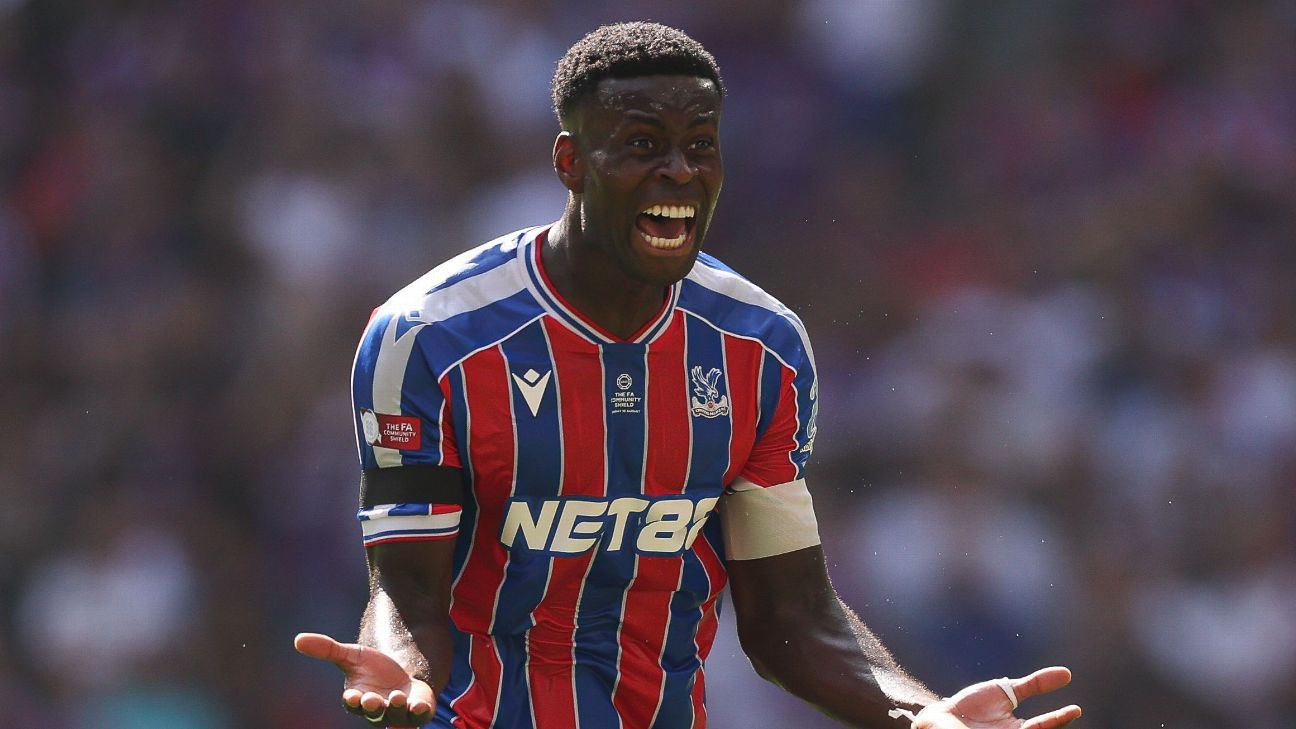
For over two decades, the third Monday of January has been tagged as “Blue Monday,” recognized for its association with feelings of gloom and sadness. While some skeptics argue that the term is merely a marketing gimmick, this year’s Blue Monday resonated profoundly within the Liverpool fan community. The confirmation of Marc Guéhi’s £20 million transfer from Crystal Palace to Manchester City struck a dissonant chord, highlighting a critical lapse in Liverpool’s transfer tactics that could reverberate throughout the season.
Liverpool supporters watched with growing dismay as Guéhi, a player they had invested considerable interest in, chose the reigning Premier League champions. Guéhi’s comments following the transfer—“When they asked if I wanted to come to City, there was only one answer”—echo a narrative of missed opportunities and miscalculated priorities for Liverpool’s management. The club had previously embarked on a substantial spending spree, investing over £400 million last summer, yet their failure to finalize Guéhi’s transfer underscores a significant oversight in their approach.
The Crisis of Transfer Prioritization
Before delving deeper, it’s essential to unpack Liverpool’s unique circumstance. While their ownership, Fenway Sports Group (FSG), maintained fiscal prudence with a strict wage structure, the decision-making process surrounding Guéhi’s potential signing reflects broader strategic dysfunction. Liverpool had shown interest during the previous summer window, but as they scrambled to secure midfield maestro Florian Wirtz and record-breaking striker Alexander Isak, Guéhi was relegated to a secondary consideration.
On the day Liverpool registered a £35 million bid, aligning with Palace’s acceptance, a swift 180-degree turn by Palace halted the momentum. Chairman Steve Parish’s refusal to facilitate the deal—citing an inability to secure a replacement for their captain—illustrates the volatility of transfer negotiations and highlights the fragility of Liverpool’s plan. It leads one to ponder: could more proactive engagement in the market have changed the outcome?
The Implications of Leadership Instability
The ramifications of not securing Guéhi go beyond just the immediate impact on the defensive line. Liverpool is currently embroiled in a troubling battle for Champions League qualification, a situation further exacerbated by a disjointed squad dynamic. Head coach Arne Slot’s position appears more precarious as results have dipped significantly; the recent 1-1 draw with newly-promoted Burnley evoked boos from a restless Anfield crowd. The rise of dissenting voices among the fans may only amplify as former star Xabi Alonso becomes available post the tumultuous chapter at Real Madrid. Slot, who once seemed secure in his role, now faces questions about his future as a leader.
Liverpool’s struggles this season may also stem from a lack of coherent strategy. Though the team enjoyed a 12-match unbeaten run recently, confidence remained fragile. Players such as Wirtz and striker Hugo Ekitike have shown glimpses of brilliance, yet their variance in performance illustrates the inconsistency throughout the squad. The conundrum becomes stark: with the reformation still ongoing, will this season unravel into a mid-table finish instead of competing for titles?
Defensive Woes and the Need for Urgent Reinforcement
Addressing immediate needs in defense should be a top priority for Liverpool’s management. The absence of reliable backup options exacerbated by injuries to key players, such as Conor Bradley and for an extended period, Ibrahima Konaté, force the question: How soon will Liverpool act in the transfer market? The departure of Guéhi has opened a more extensive conversation about recruitment, with Liverpool seemingly hesitant to explore viable alternatives.
Moreover, aging defenders like Virgil van Dijk, approaching 35, and Andrew Robertson facing uncertain futures—both nearing contract expiry—further emphasize the need for long-term planning in defense. Current replacements lack the requisite experience, and as seen in past transfer windows, a haphazard approach often results in missed opportunities. Mistakes from earlier seasons haunt the present, with Liverpool’s reluctance to tap into the January window for quality additions threatening to repeat historical blunders.
Financial Constraints versus Competitive Necessity
Liverpool’s transfer strategy reflects a balancing act between financial constraints and the competitive pressures of the Premier League. The systematic approach of delaying moves until summer when Guéhi would be available on a free could be deemed prudent. However, this reliance on hindsight is a gamble that could undermine their current standing and longer-term aspirations.
The financial ramifications of failure have stark consequences, epitomized by the substantial losses recorded last season attributed to not qualifying for the Champions League. The club now finds itself potentially positioned to secure an additional Champions League spot, yet securing that status will require more than just relying on the hope of returning players like Mohamed Salah and Ryan Gravenberch regaining form. The pressure to reinvigorate the squad and avoid a repeat of prior seasons’ disappointments mounts amidst an increasingly competitive league landscape.
In essence, Liverpool sits at a fork in the road, balancing the immediate need for reinforcements against long-term financial prudence. As the season progresses, every decision made by the hierarchy will hold significant weight, impacting not only the current campaign but the overall trajectory of the club.