Arteta’s Arsenal Shares Notable Similarities with Southgate’s England
The Evolution of Mikel Arteta: From Pep Guardiola to José Mourinho
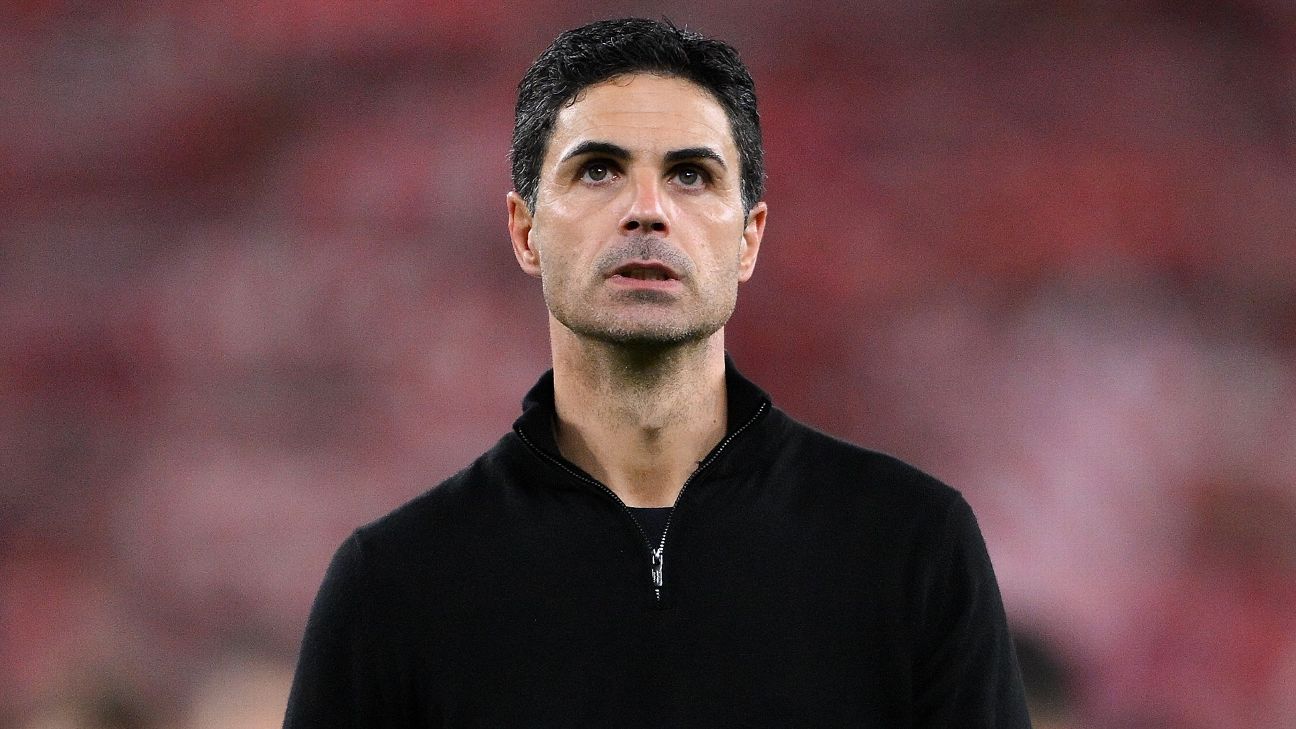
Mikel Arteta’s journey as Arsenal’s manager has been a captivating narrative filled with admiration, expectation, and comparison. Initially, his association with Pep Guardiola was well-documented, stemming from their longstanding friendship dating back to their time at Barcelona. Their professional camaraderie blossomed further when Arteta served as an assistant coach under Guardiola at Manchester City. The parallels drawn between the two were centered around their football philosophies, with Arteta aiming to instill a similar technical elegance into the fabric of Arsenal’s play. However, as time has passed and the narrative has unfolded, comparisons have blossomed from Guardiola to the more pragmatic José Mourinho. Arteta’s tactical evolution has drawn scrutiny, and fans find themselves reflecting on which managerial philosophies will ultimately bear fruit.
Culture and Identity: A Manager’s Challenge
When Arteta arrived at Arsenal in December 2019, the club was grappling with an identity crisis. Following the shadows of Wenger’s long reign and the subsequent tumultuous times under Unai Emery, the team appeared disjointed and fractured, echoing widespread discontent among supporters. Arteta stepped into this chaos, armed with a wealth of knowledge from his time at Arsenal as a player. Recognizing that change was essential, he sought to cultivate a new club culture, one that would revive the passion and tradition reminiscent of the Wenger era.
Drawing on his experience, both as a player and a coach, Arteta has focused on restoring self-belief within the squad. His managerial journey echoes the early days of Gareth Southgate’s tenure with the England national team. Southgate inherited a team in disarray and worked tirelessly to reconnect it with both fans and history. Similarly, Arteta’s aim has been to forge a deeper connection between the players and the supporters, encouraging enthusiasm and optimism.
Through innovative strategies, Arteta has fostered a renewed sense of accountability among his players. He often emphasizes the importance of communication and teamwork, even seeking insights from unusual avenues, such as consulting RAF pilots. By blending historical values with modern tactics, he has begun to establish an Arsenal identity that fans can rally behind.
Tactical Shift: From Fluidity to Solidity
Arteta’s tactical approach has transitioned over time. Initially following a fluid, attacking style reminiscent of Guardiola’s City, Arteta has shifted toward a more pragmatic approach, mirroring elements seen in José Mourinho’s teams. Some analysts view this tactical alteration positively, noting that a solid defensive foundation can be crucial for success, particularly during high-pressure matches. Arsenal has become more resilient, focusing on defending with purpose. This tactical evolution reflects not only Arteta’s learning curve but also the necessary adjustments required to compete at the highest level.
Yet, this newfound solidity has not come without criticism. Detractors argue that Arteta’s approach often feels overly cautious, particularly in moments when the opportunity for attacking flair arises. Comparatively, the England national team under Southgate faced similar scrutiny; his strategy often drew ire for lacking a more bold attacking mindset. Arteta’s Arsenal, while built on a solid defensive framework, sometimes faces accusations of “playing with the handbrake on,” especially in critical moments against top-tier rivals.
The Struggle for Silverware: Dreams and Expectations
As Arteta’s philosophy and tactics evolve, the ultimate test looms: can Arsenal secure silverware, a feat they have not achieved since 2020? The stakes are high, as the Gunners approach a pivotal season where fans yearn for the return of glory. The alluring prospect of ending a title drought that stretches back to 2004 has fueled excitement, yet the pressure intensifies with each passing game.
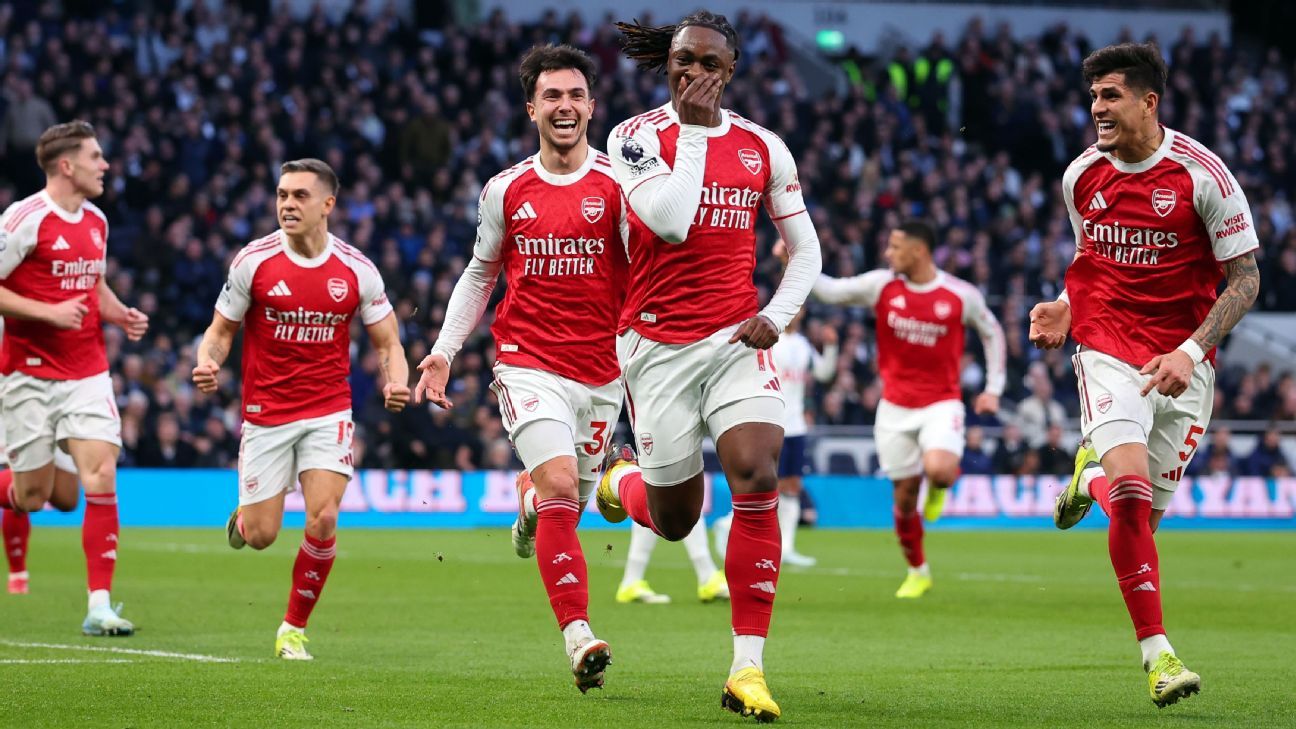
Like Southgate after leading England deep into Euro 2020, only to fall painfully short in the final, Arteta is under mounting pressure to deliver results that justify the investments made in the squad. The recent influx of talent, combined with a solid core of young players such as Bukayo Saka and Emile Smith Rowe, has raised expectations but also created a scrutiny that can be suffocating. This dynamic is reminiscent of Southgate’s late tenure, where heightened expectations clashed with an inability to fully embrace the attacking potential of his talented players.
Balancing Heritage with Modern Ambition
Arteta’s challenge straddles the delicate line between honoring Arsenal’s rich history and embracing the modern demands of football. The iconic brand of football that defined Wenger’s era is still fresh in the minds of supporters, creating an ongoing yearning for similar attacking exuberance. However, the modern game’s nuances dictate that a balanced approach is necessary.
This tactical conundrum mirrors the dilemmas faced by Southgate, whose grounding in England’s historical struggles has sometimes clouded his decisions at crucial moments. Both managers possess a profound understanding of their respective team’s identities, yet they wander through a modern football landscape that often requires adaptability and risk-taking.
In pursuit of success, Arteta’s focus must transcend simply reconnecting with the club’s heritage. He is tasked with instilling a freedom of expression, encouraging players to take risks and exploit the dynamic attacking potential of the squad at their disposal. As the season unfolds, it will become increasingly vital for him to strike this balance—ultimately leading Arsenal back to the pinnacle of English football.
Navigating this multi-faceted landscape, Arteta’s managerial journey is a gripping tale of ambition, resilience, and hope. The echoes of previous battles fought by both Arteta and Southgate serve as both warnings and learning opportunities. What lies ahead will determine whether the Gunners emerge successfully from an era of transformation or continue to wrestle with their past as they strive for a future built on hope and achievement.