Argentina’s Soccer Chief Tapia Prohibited from Departing the Country
Legal Troubles for Argentine Football Association Officials
The Context of the Case
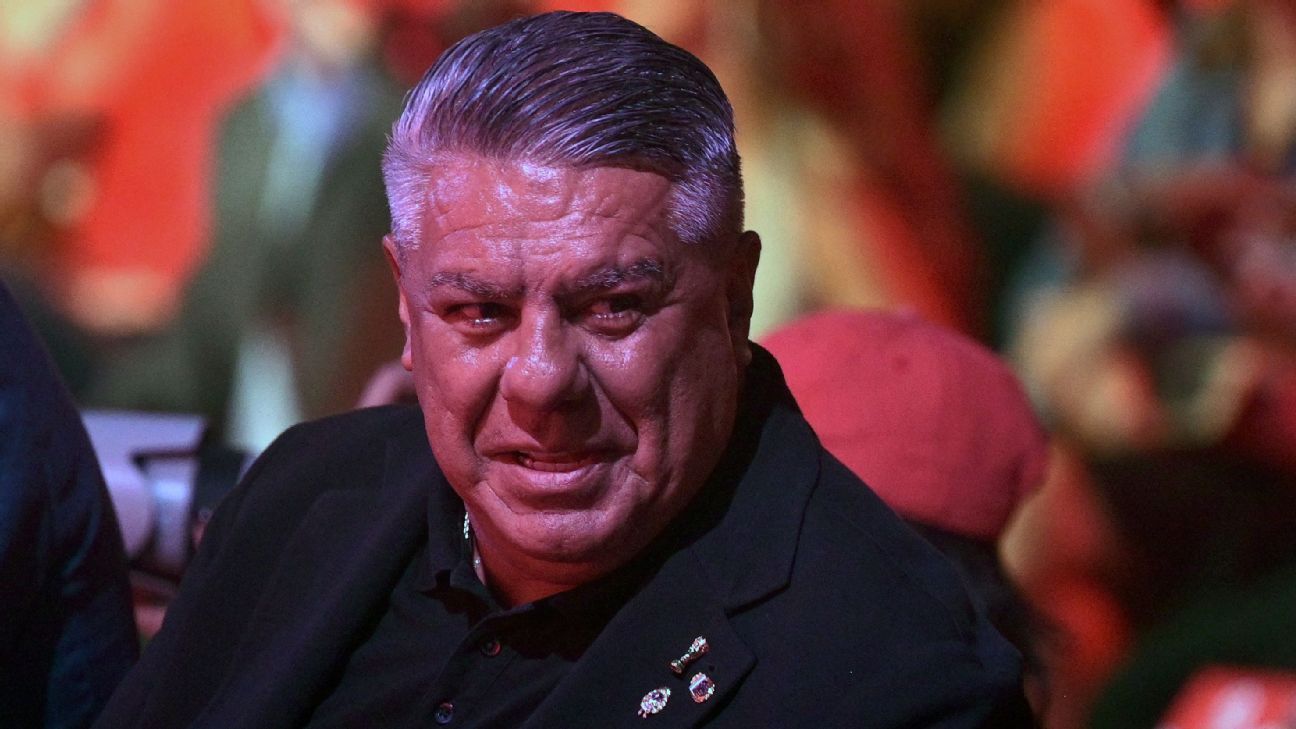
In a significant development in Argentine football, Judge Diego Amarante has issued a travel ban against Claudio Tapia, the president of the Argentine Football Association (AFA), alongside four other top officials. This legal action stems from serious allegations regarding the mismanagement of social security contributions, involving amounts that have raised eyebrows in the sports community and beyond. As football remains a vital part of Argentina’s culture, this legal storm has sparked widespread interest, drawing in not only fans but also financial experts concerned about the organizational governance of the AFA.
The circumstances surrounding the investigation stem from a complaint lodged by the Customs Collection and Control Agency (ARCA). They allege that Tapia failed to remit social contributions totaling approximately 19 billion pesos—or around $12.8 million—over the span of 2024 and 2025. Such negligence, if proven true, could point to broader issues of financial accountability within one of the nation’s most prominent sporting bodies.
The Investigative Focus and Implications
Judge Amarante has summoned Tapia and his colleagues to appear in the Buenos Aires courts on March 5. The implications of this case extend beyond mere financial irregularities; they raise questions about the governance structures within the AFA, the financial oversight mechanisms, and the ethical standards expected from sporting leaders. For an organization tasked with managing one of the most revered football cultures in the world, accountability is not merely a legal requirement but a societal expectation.
This case puts a spotlight on how sports organizations operate financially. The accusations detail not merely neglect but a potential pattern of mismanagement that, if substantiated, may jeopardize the AFA’s reputation and operational integrity. Furthermore, the travel restrictions ensure that those implicated do not escape scrutiny while the legal process unfolds.
Potential Consequences for Key Players
The repercussions for these key officials could be severe, both legally and professionally. Tapia, affectionately known as “Chiqui,” will face significant scrutiny during the proceedings. His ability to lead and represent Argentine football on both domestic and international stages may be profoundly affected, particularly with the high-profile Finalissima match between Argentina and Spain scheduled for March 27 in Qatar. Participation in such an event becomes uncertain when faced with legal battles.
Also involved are Treasurer Pablo Toviggino, Secretary General Cristian Malaspina, General Director Gustavo Lorenzo, and former Racing Club President Víctor Blanco, all of whom have been summoned alongside Tapia. They too are subjected to the same travel ban, emphasizing that the case extends beyond a singular figure and hints at a culture of shared responsibility or, perhaps, shared complacency within the AFA’s leadership.
The Broader Impact on Argentine Football
This ongoing investigation could reverberate through the Argentine football landscape, affecting everything from team funding to public perception of the sport. Fans have already expressed discontent, calling for greater accountability and transparency in how their beloved game is managed. As potential financial mismanagement comes to light, it may undermine the trust that supporters have in the AFA, especially in a nation where football is more than just a sport; it’s a critical component of national identity.
Additionally, the legal proceedings could set a precedent for how sports organizations in Argentina are held accountable for their financial practices. As the judicial system navigates this case, it may inspire reforms aimed at ensuring adherence to proper financial protocols, ultimately leading to a more transparent and responsible governance within sports associations in the country.
In an era where sports associations around the world are under increased scrutiny, the unfolding saga involving Tapia and his colleagues could be a catalyst for change within Argentine football, redefining how stakeholders approach governance and ethical accountability.