Amorim expresses he requires more time at Man United. How long will he have?
Ruben Amorim: Navigating Challenges at Manchester United
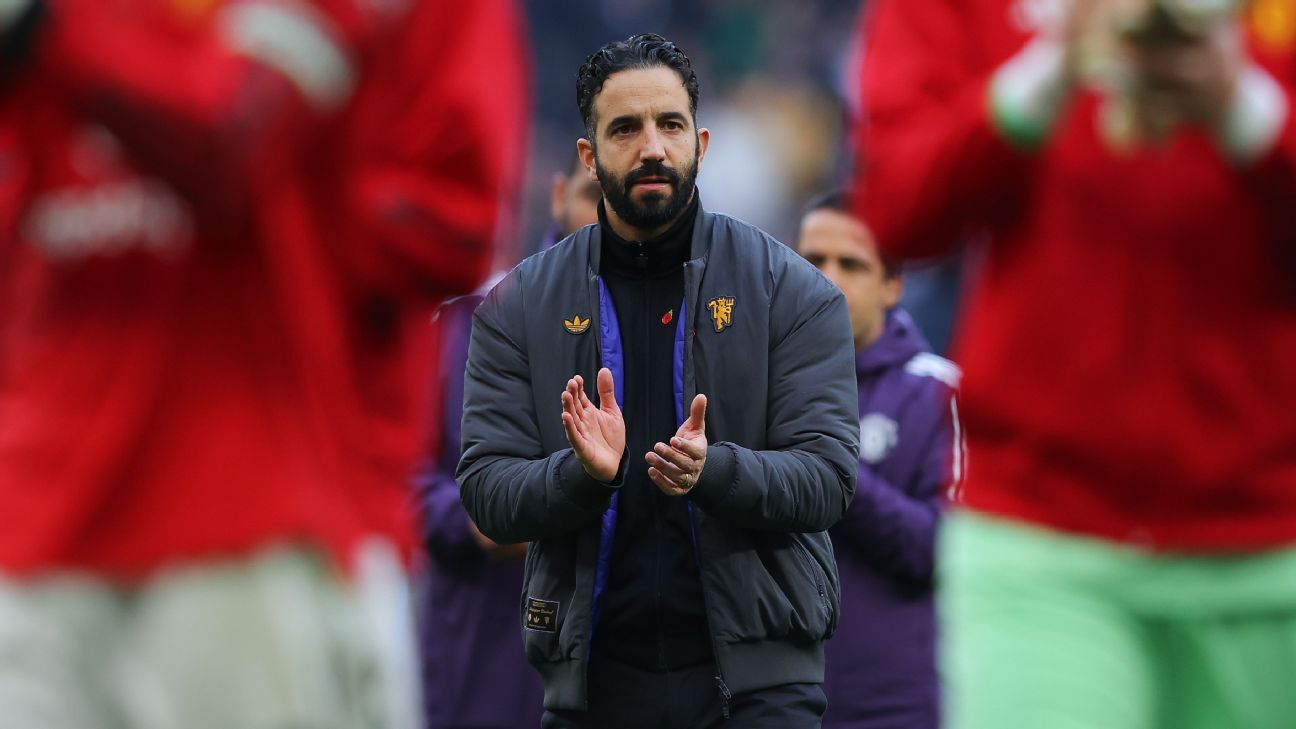
Ruben Amorim, the manager of Manchester United, finds himself at the helm of one of the most storied football clubs in the world during a tumultuous period. His candid remarks regarding the multitude of issues plaguing the club reflect not only the reality of the situation but also the immense pressure that comes with leading a giant of English football. In press conferences, Amorim often alludes to “a lot of problems in our club,” suggesting that the complexities of the role are vast and multifaceted. This article delves deeper into the unique challenges he faces, the expectations placed upon him, and how he is working to navigate this intricate landscape.
The Dichotomy of Short-Term Success vs. Long-Term Vision
One of the stark realities of managing Manchester United is the stark contrast between the club’s historical ambition for immediate success and the need for patience in building a cohesive team. Amorim is leading what could be characterized as a long-term project, yet his current objectives clash unabashedly with the club’s short-term expectations. He acknowledges this paradox when he states, “We know we need time, but there is no time in this club.” With a fanbase hungry for trophies and glory, any misstep can lead to scrutiny and unrest.
The challenge lies in balancing the need for quick results with the understanding that true transformation takes time. Amorim’s efforts to revamp the squad, especially on the attacking front with significant investments, imply he is keenly aware of the demands placed upon him. His admission that “we need to win now, and if not, something is going to change” illustrates a sense of urgency that complicates his ability to truly develop the team as he envisions.
Navigating Player Youth and Inexperience
Another significant aspect of Amorim’s predicament involves managing a core of young, inexperienced players. While signing young talent aligns with a strategic vision of future success, it also comes with its challenges. Players like Benjamin Sesko, Amad Diallo, and Patrick Dorgu are seen as transformative figures for United, but they remain works in progress. In recent weeks, Amorim has often described his forwards as “struggling,” indicating that relying heavily on youth can lead to unpredictable performances.
This reliance on youth can be a double-edged sword. On one hand, it allows the club to build a foundation for future championship-caliber teams. On the other, it raises the stakes for Amorim, who finds himself under pressure to achieve immediate results with a lineup that is still developing. The tension between fostering talents and needing instant renewal of performance creates a dynamic that makes his role more challenging.
Squad Composition: Tactical Limitations and Strategic Spending
The strategic decisions made during the last transfer window are another layer of complexity for Amorim. Significant funds were allocated to enhance the forward line, with notable acquisitions aimed at boosting the club’s offensive capabilities. However, the apparent neglect of crucial midfield and wing-back positions has left the team feeling imbalanced. Amorim’s tactics demand high-energy midfielders and capable wing-backs, attributes that are currently underrepresented within the squad.
This uneven distribution of resources raises questions about the club’s overall recruitment policy. While pursuing a long-term vision by investing in youth, the lack of immediate, seasoned talent in key areas limits Amorim’s tactical flexibility. His frustration is palpable when he reflects on the inadequacies in his squad, emphasizing the need for enhancements that could help provide the instant results the club’s hierarchy desires.
The Weight of Expectation and Pressure to Perform
Every match becomes a high-stakes affair, particularly as Amorim’s squad prepares to face teams struggling at the bottom of the Premier League. A recent draw against West Ham United raised significant concerns, prompting calls for accountability from a fanbase that has little patience for mediocrity. United supporters are understandably wary, recalling last season’s dismal defeat to Wolverhampton Wanderers, a team presently at the bottom of the league table.
In moments like these, Amorim must navigate not only the pressure from fans but also the inevitable scrutiny from club executives who are eager for progress. Diogo Dalot’s comments on the need for an internal drive and the urgency to win immediately resonate with a squad acutely aware of what the club demands. The tension between cultivating a winning spirit while grappling with a developmental project looms over every matchday, amplifying the stakes even further.
Amorim’s task is to transform these young talents into mature, results-oriented players while simultaneously appeasing a critical and expectant fanbase. As he stands on the sidelines, the weight of expectation rests heavily on his shoulders, shaping not just his approach but the future trajectory of Manchester United itself.
Amorim’s journey is a compelling narrative of ambition and challenge—a blend of hope for the future and the urgency of present demands. In this high-stakes environment, the coming weeks will likely reveal whether the Portuguese manager can find the alchemy needed to lead Manchester United back to its former glory.