Gennaro Gattuso resigns as Italy’s head coach following World Cup disappointment.
Gennaro Gattuso Departs as Italy Head Coach Following World Cup Heartbreak
A Sudden Exit: The Circumstances Surrounding Gattuso’s Departure
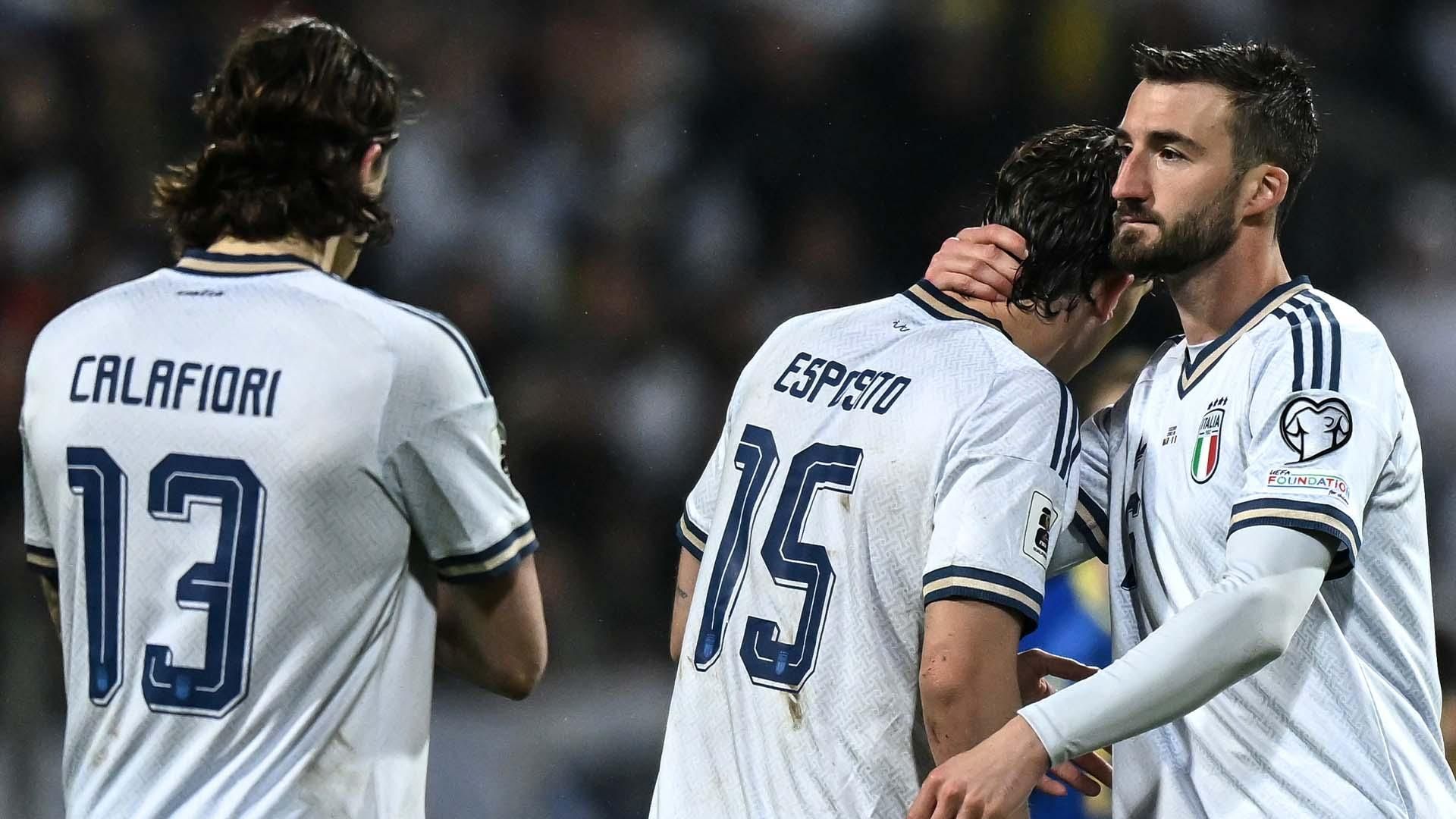
Gennaro Gattuso’s departure from the role of head coach of the Italian national football team marks a poignant chapter in Italian football. Announcing his exit just three days after Italy’s devastating penalty shootout loss to Bosnia and Herzegovina in the playoff final, Gattuso expressed his sorrow with the words, “with pain in my heart.” Italy’s failure to qualify for the men’s World Cup for the third consecutive time not only reflects a challenge for the team but has also ignited a wave of introspection within the Italian Football Federation (FIGC).
His resignation was precipitated by a series of unfortunate events, including a second-place finish in their qualifying group—six points behind Norway. Despite a hard-fought victory against Northern Ireland in the first round of the playoffs, the Azzurri’s demise in the fateful match against Bosnia left fans and officials alike reeling. The consequences of this lack of progress were immediate, with FIGC president Gabriele Gravina and Gianluigi Buffon, the iconic former goalkeeper, resigning only a day after the playoff loss.
Gattuso’s Philosophy and Approach to Coaching
Gattuso has always been known for his passionate approach to football, both as a player and a coach. The former AC Milan midfielder brought a distinct energy to the team that was evident during his brief tenure as head coach, which started amid a crisis, following the exit of Luciano Spalletti. His coaching philosophy centered around resilience, discipline, and a commitment to bringing pride back to the national jersey.
In his farewell message, Gattuso paid tribute to the “blue shirt,” which he sees as a symbol of national pride and identity. His commitment to the job was palpable, as he led a squad that demonstrated loyalty and heart in the face of adversity. However, the pressures of managing a football giant were immense, and despite the hopeful return of enthusiasm he instilled in the players, results ultimately reflected a different story. As he suggested, sometimes passion alone isn’t enough in high-stakes international football.
The Implications of Italy’s Third Consecutive World Cup Miss
Italy’s failure to qualify for the World Cup is historically significant; they stand as the first former champions to miss out on three consecutive tournaments, a stark contrast to their illustrious past as four-time world champions. Naturally, this has ignited discussions among fans, analysts, and ex-footballers about the structural weaknesses within the program, from youth development to tactics at the senior level.
The outcry from fans and pundits alike highlights a growing concern about Italy’s standing in world football. The Azzurri’s past success, especially the triumph at Euro 2020, feels like an echo from a distant past. This recent failure may force a reckoning, bringing to light the necessity for a long-term vision that transcends immediate results. For many, this involves a re-evaluation of how talent is nurtured and a push for modern coaching techniques that adapt to the evolving game.
A New Era: Candidates to Take the Helm
With Gattuso gone, the FIGC now faces the crucial task of appointing a new head coach. Several notable candidates have emerged in conversation, including the likes of Roberto Mancini—who previously led Italy to a European Championship title—and Antonio Conte, a tactical mastermind known for his impactful management style. Other potential candidates like Simone Inzaghi and Massimiliano Allegri also come with their own credentials, having made significant contributions to club football recently.
However, the timing of the decision is critical. With the election for a new FIGC president set to take place on June 22, the federation will need to act swiftly to ensure that the new coach is in place ahead of Italy’s upcoming friendly matches in June. The specter of the World Cup looms large, and there is a palpable urgency to halt the downward trajectory and restore faith among Italian football supporters.
As Italy prepares for this pivotal transition, the hope is that the next chapter can turn around the fortunes of a storied footballing nation that finds itself at a crossroads.