
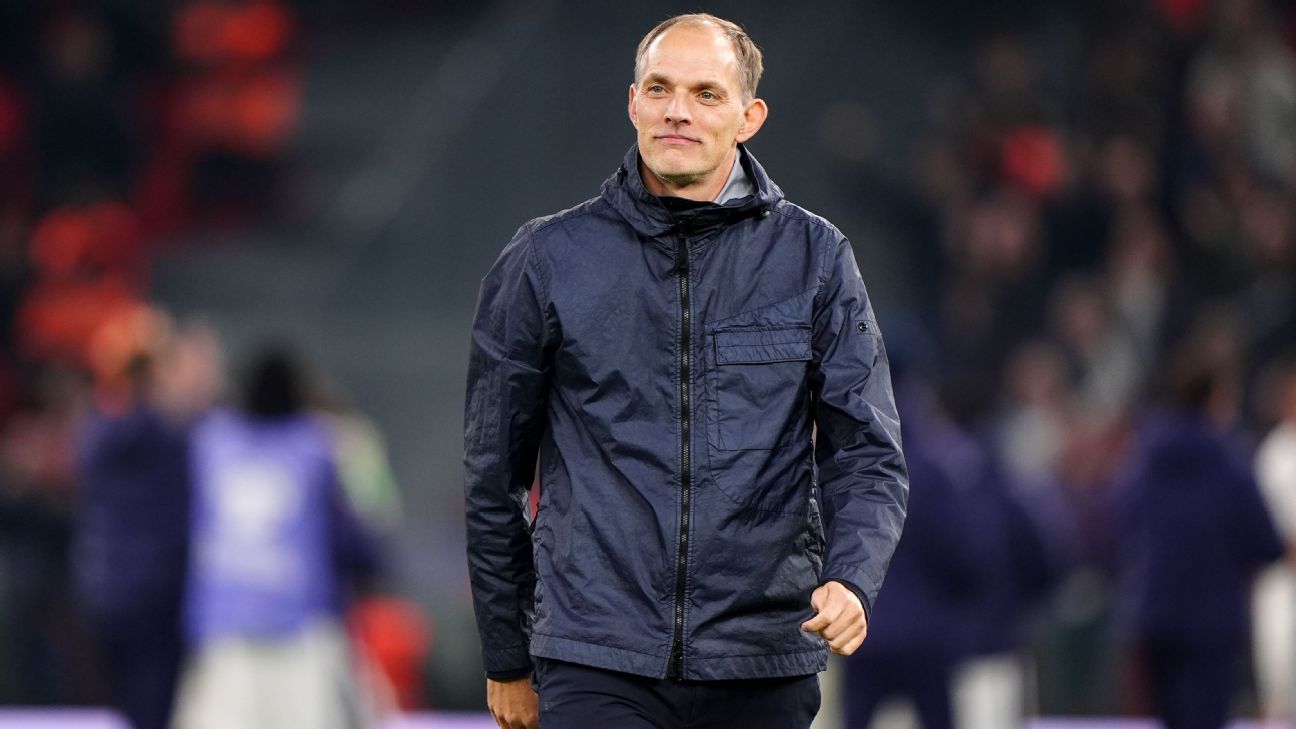
FA: Thomas Tuchel’s new contract with England unrelated to Manchester United position
Thomas Tuchel’s Extension: A New Era for England Football
The recent announcement from the Football Association (FA) about Thomas Tuchel’s contract extension as head coach of the England national team has stirred up significant debate among fans and pundits alike. While some see this as a strategic move ahead of the upcoming FIFA World Cup, others argue it might have been wiser to wait until after the tournament to solidify his future with the team. Here, we delve into the various dimensions surrounding this pivotal decision.
Performance Conditions and Future Aspirations
Mark Bullingham, the FA chief executive, has hinted at “performance conditions” that will define Tuchel’s ongoing tenure, particularly as the national team approaches the UEFA European Championship in 2028. These performance criteria remain undisclosed, leading to speculation about their potential impact on his coaching strategy. It seems the FA is taking a long-term view, aiming not merely for success in the World Cup but building towards the European Championship on home soil six years from now.
Bullingham emphasized the importance of clarity and foresight in leadership roles, stating that each contract typically includes performance-related metrics. While fans were quick to question the wisdom of committing to Tuchel before a major tournament, Bullingham defended the decision, asserting that it’s vital for the team to eliminate uncertainty as they prepare for monumental challenges.
Strategic Timing Amid Coaching Instability
The timing of Tuchel’s contract extension is particularly intriguing considering the rich backdrop of managerial instability in football. With high-profile clubs like Manchester United poised to make coaching changes, the FA aimed to secure Tuchel’s services well in advance. Bullingham denied that their decision was a direct response to the sacking of Ruben Amorim at United, indicating that Tuchel’s new contract was already in the works prior to that event. The intention was to ward off speculation and keep Tuchel focused solely on his role with the national team rather than being distracted by club-level rumors.
This proactive stance may also stem from past experiences with both men’s and women’s teams, where managerial uncertainty has regularly clouded tournament preparations. By setting clear expectations and commitments now, the FA aims to foster a stable environment where players and support staff can thrive.
Reassessing the Future Landscape
Tuchel’s extension could also be seen as a move designed to enhance moral confidence within the squad, especially leading into a high-pressure tournament. By securing a managerial figure whom players respect and find enjoyable to work alongside, the FA hopes to cultivate a dynamic atmosphere conducive to success. Bullingham noted that Tuchel has visibly embraced international football, relishing the unique challenges it offers, which could translate into a more coherent and inspired playing style.
The commitment to Tuchel signals a broader ambition; it denotes the FA’s intention not merely to excel in the World Cup but to build a squad capable of competing for titles consistently in the coming years. This aligns with a growing trend among national teams that prioritize continuity and long-term vision over rapid turnover in coaching personnel.
Speculation Amid Clarity: Navigating the Future
While the decision to extend Tuchel’s contract helps clarify the FA’s long-term intentions, it simultaneously invites scrutiny regarding performance expectations. The impending FIFA World Cup is sure to place Tuchel under a spotlight, and how the team performs will inevitably shape narratives around his future.
Bullingham’s assurances that he will not be discussing break clauses or specific performance metrics are deliberate, aimed at keeping the focus on team unity rather than individual pressures. This approach marks a departure from a more transactional view of coaching roles, emphasizing instead the importance of building relationships and fostering a cohesive vision among staff and players alike.
In a demanding landscape where national coaches are frequently judged on their immediate results, the FA’s decision to show faith in Tuchel suggests a willingness to invest in long-term aspirations. It remains to be seen how this strategic choice will unfold as England heads into the World Cup, but the groundwork has been laid for a potentially transformative era in English football.
Related Posts
England 2026 World Cup Update: Assessing Rising and Falling Players as Thomas Tuchel Evaluates the Team

Who is Mbekezeli Mbokazi, the Chicago Fire and South Africa defender, and what does TLB stand for?