While crowning Morocco as AFCON champions was the right decision, what caused CAF’s delay?
The Unfolding Drama of Senegal’s AFCON Title Stripping
A Shocking Turn of Events
On a night filled with tension and high stakes, history was rewritten in a way that sent shockwaves through the footballing world. Senegal, a nation that had celebrated its triumph at the Africa Cup of Nations (AFCON) in January, found itself stripped of the title just 58 days later. The Confederation of African Football (CAF) ruled in favor of Morocco, declaring them the rightful champions. This surprising decision serves as both a reminder of the volatility in sports and a testament to the often-complex web of regulations that govern such competitions.
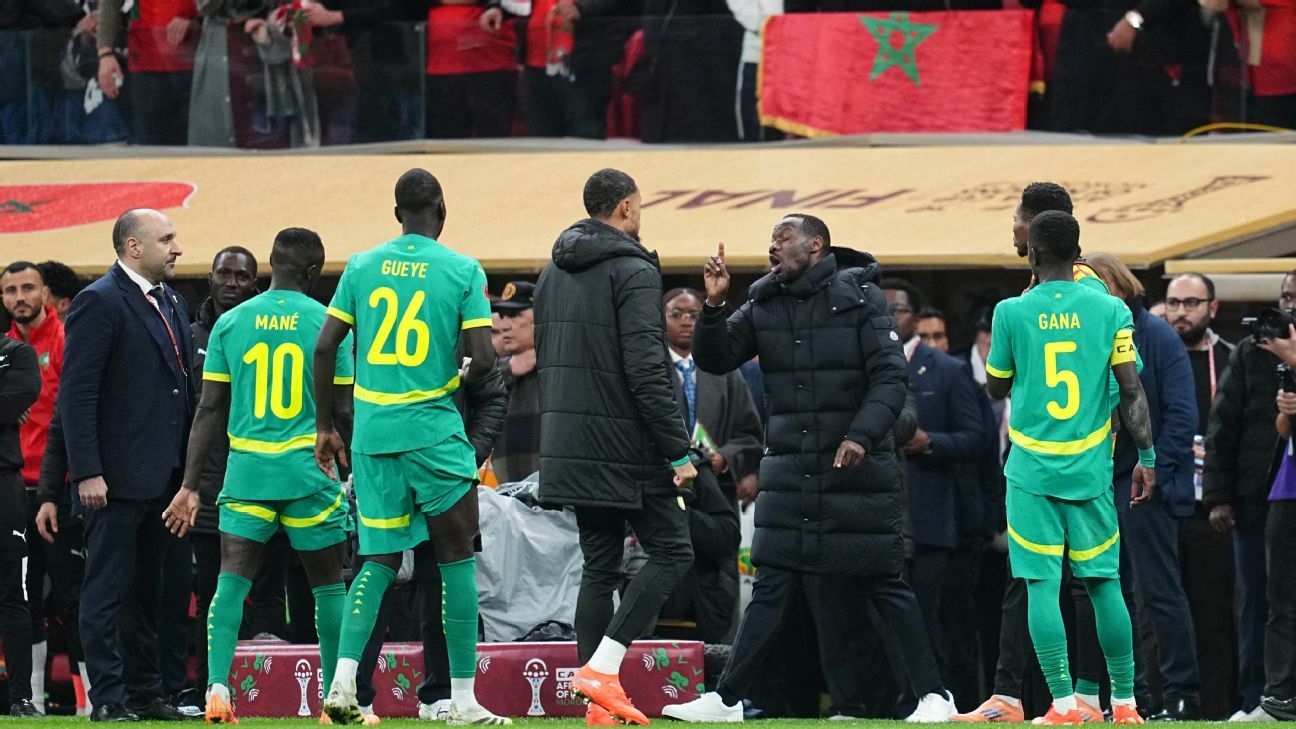
The AFCON final was already destined to be remembered for the turbulent emotions it ignited. Senegal faced off against host nation Morocco in what was expected to be a thrilling showdown. However, the game quickly spiraled into chaos. A contentious disallowed goal for Senegal, coupled with a penalty awarded to Morocco after a lengthy consultation with the Video Assistant Referee (VAR), led to an eruption of frustration on the Senegalese side. With their coach, Pape Thiaw, leading the exodus, the Senegalese players walked off the pitch in protest. This dramatic moment is where the seeds of controversy began to sprout.
The Regulatory Framework of Football
To understand the CAF’s ruling and its implications, we must dive into the regulatory framework that governs the AFCON. Article 82 of the CAF regulations clearly states that if a team leaves the field during a match without the referee’s permission, they will automatically forfeit the game. Article 84 echoes this sentiment, outlining that if this rule is contravened, the result will be recorded as a 3-0 loss.
This might seem straightforward, but the emotional tumult during the game complicates the matter. The players’ protest stemmed from perceived injustices, including officiating errors and fan hostility. In an environment thick with tension, it became evident that even seasoned footballers can act irrationally. The essence of competition clashes with the hard facts of rules—leading to a conundrum where the spirit of the game intersected with strict regulations.
The Role of the Match Officials
One of the pivotal yet overlooked aspects of this saga is the role of the match officials, specifically the referee, Jean-Jacques Ndala Ngambo. On that fateful night, he faced an unusual level of pressure as emotions ran high and stakes were monumental. Perhaps lacking the support or guidance necessary to make a definitive call, he failed to utilize the power at his disposal to abandon the match while Senegal’s players were off the field.
In an ideal scenario, an official would act decisively when teams leave the pitch in protest. They hold the weight of the match in their hands, often without assistance from organizational hierarchies. While Ndala’s decisions that night were scrutinized and second-guessed, it raises an essential question: should match officials be left to navigate such high-pressure situations without a safety net?
Seeking Justice in the Aftermath
The tribunal that followed this chaotic night was no less dramatic. Morocco filed a formal appeal on January 19, calling for Senegal to be penalized for their walk-off. The CAF disciplinary board’s initial response involved suspensions and fines but notably rejected Morocco’s request for a forfeit. The situation did not resolve there; Morocco pursued an appeal with the CAF appeals board, culminating in the recent ruling that upended the tournament results.
In response, Senegal has signaled their intention to contest this new ruling through the Court of Arbitration for Sport (CAS). Their case could hinge on specific arguments: they might contest the interpretation of Article 82 based on the actions of the referee and whether the match should indeed count as forfeited, given that a penalty was awarded and the players eventually returned to the pitch. This legal back-and-forth illustrates how deeply emotions and regulations can intertwine in the world of sports, where one man’s protest can lead to cascading consequences.
As Senegal envisions a potential path toward reclaiming their status, it showcases a broader narrative about justice in athletics. The enduring uncertainty demonstrates how a critical moment in sports can resonate far beyond the pitch, affecting players, nations, and governing bodies alike.
Future Implications for AFCON and CAF
Regardless of the outcome of Senegal’s appeal, this incident raises pressing questions for the CAF and other governing bodies in football. Disciplinary processes that drag on for weeks undermine both the legitimacy of the ruling and the integrity of the competition itself. Many fans and pundits express concern that the delays could allow for favoritism or bias to infiltrate the decision-making process, especially when juggling the emotions of nations and their footballing aspirations.
Moreover, this situation emphasizes the need for match officials and regulatory bodies to establish better protocols for high-pressure scenarios. In moments of upheaval where emotions run high, a clear, decisive institutional response could ensure that players and coaches are held accountable, while also preserving the sanctity of the game. In the end, what transpired in this chaotic final could redefine not only how the CAF handles disputes but also how football regulation is perceived globally.