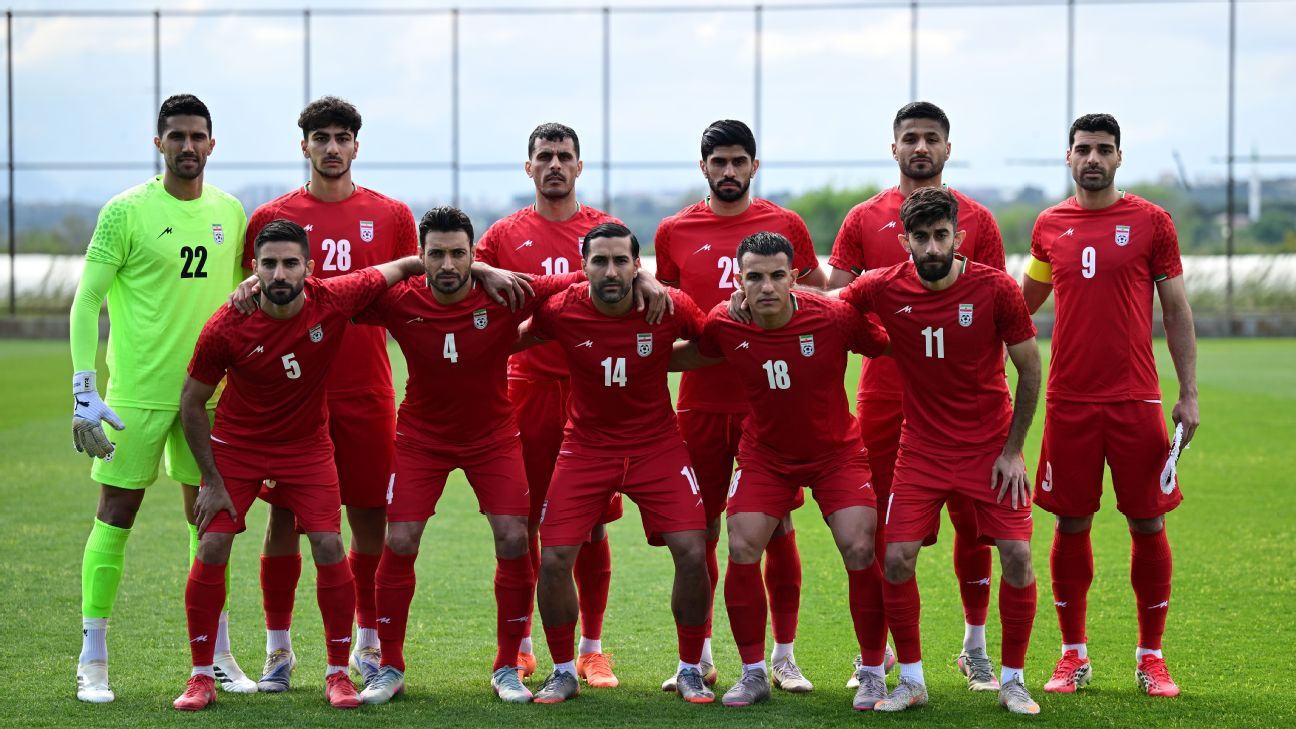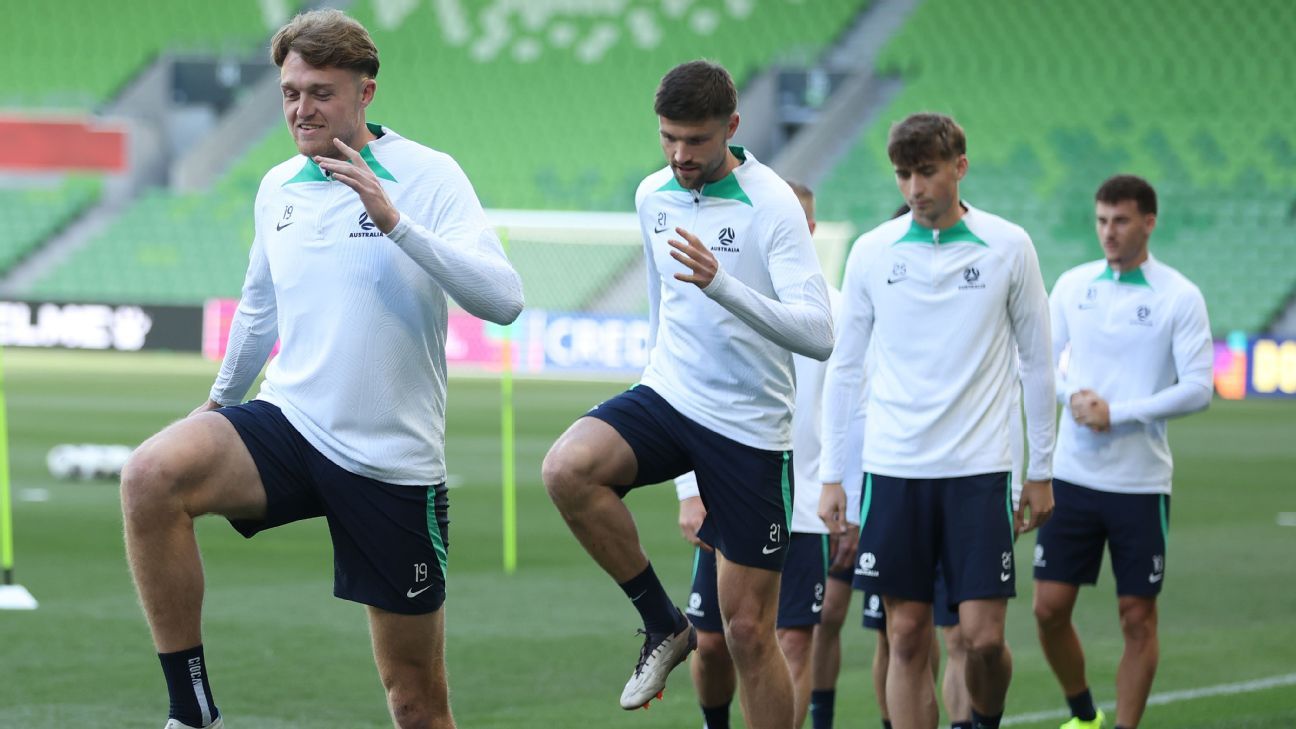
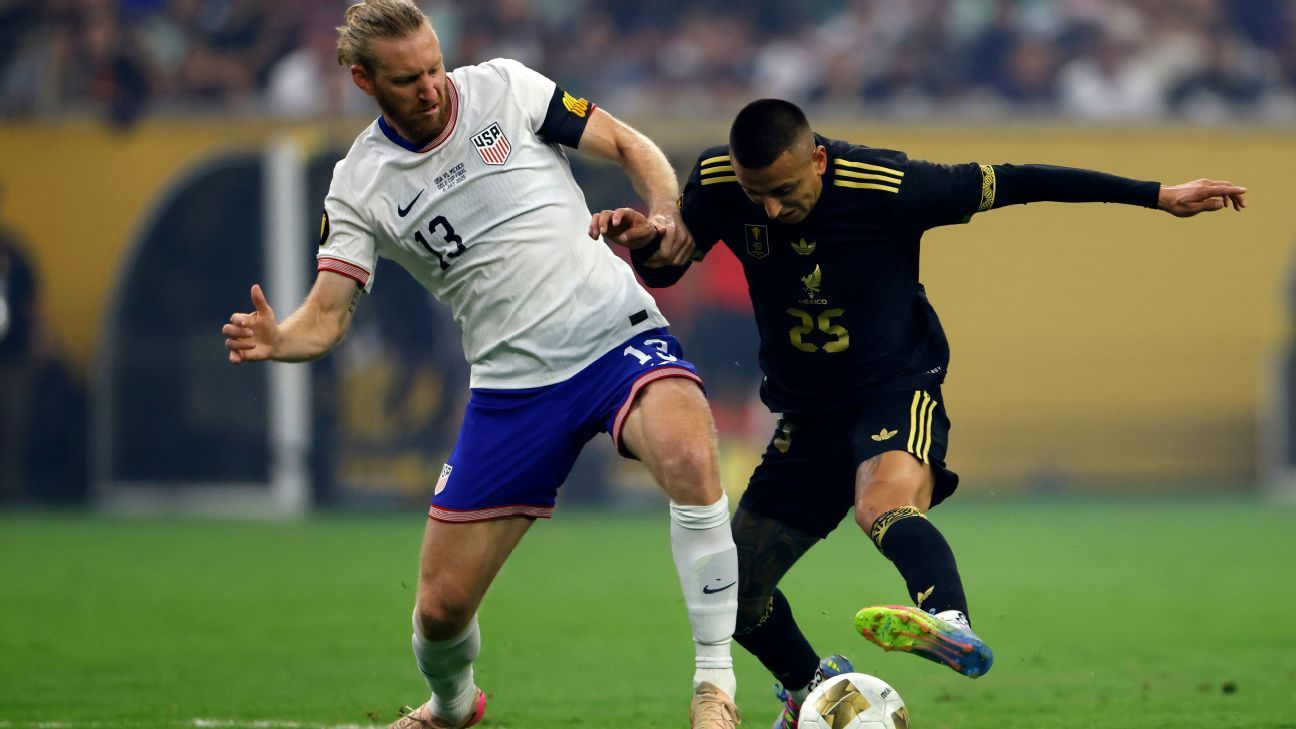
Concacaf announces the qualification process for the 2030 World Cup, featuring 6 spots.
The Road to the 2030 World Cup: A New Chapter in Concacaf Soccer
As the world of soccer continues to evolve, the 2030 FIFA World Cup is presenting an exciting opportunity for nations in North and Central America and the Caribbean, known collectively as Concacaf. With the announcement that this confederation will receive six automatic qualifying spots and an additional opportunity through an intercontinental playoff, the stakes are higher than ever. Here’s an in-depth look at what this means for the region, how qualifying will unfold, and the broader implications of the expanding World Cup format.
The New Qualifying Landscape
The path to the 2030 World Cup will kick off in September 2027, marking a significant shift in how teams will compete to earn their place on the world stage. For Concacaf, the qualifying process will start with teams ranked 14th through 35th competing in a home-and-home, total-goals format. This first round is crucial; only the top 11 teams will progress to the next stage, alongside the 13 highest-ranked nations.
The excitement of qualifying will continue into 2028 when 24 teams will be split into six four-team groups. This new structure allows for each nation to play six matches over three windows in October and November 2027, and March 2028. As the competition heats up, teams will vie for the top two spots in their groups, with the ambition of reaching the final round — a decisive stage that will determine who makes the cut for the World Cup.
The Final Round Setup
The final round promises to capture the essence of competitive soccer, with its format consisting of three groups each containing four teams. Here, the teams will not only compete for glory but for their right to play on the global stage in 2030. This comprehensive approach ensures a blend of excitement and unpredictability, as every match will carry significant implications for teams hoping to qualify.
The intense nature of the final round will take place across several months, spanning June 2028 to late 2029. The winners of each group, along with two runners-up, will secure their places at the World Cup, underscoring the importance of every point earned during this phase.
The Intercontinental Playoff Stakes
With the dynamic allocation of World Cup spots, the opportunity doesn’t end with the final round. The two best third-place teams will have another shot at qualifying through a Concacaf playoff, leading to the intercontinental playoffs in November 2029. This playoff system offers teams that may not have made it through conventional means a chance to fight their way onto the world stage, adding layers of strategy and drama to the qualification process.
The intercontinental playoff represents not just another match but a battle for survival and hope; it could well be the defining moment for teams like Jamaica, who might be on the cusp of securing a historical berth in the World Cup.
Implications of Expanded World Cup Berths
The overall backdrop of the 2030 World Cup is the expansion of the tournament from 32 to 48 teams. This shift has led Concacaf to double its automatic berths from three to six, an unprecedented opportunity for the region. The automatic spots for the United States, Mexico, and Canada as co-hosts not only enhance national pride but also encourage the rise of soccer in nations that have historically struggled to compete on the global stage.
The expansion means that additional smaller nations, such as Curaçao and Panama, have already made their mark by qualifying for the upcoming tournament. The ripple effects of this inclusion are significant, as they inspire young athletes throughout the region, fostering a new generation of soccer talent. Undoubtedly, the expanded slots and competitive structure encourage a broader interest in the sport, galvanizing fans and communities across Concacaf.
As this new era for Concacaf and the World Cup approaches, the anticipation builds. Teams from across the region prepare for a challenging journey, where every match in the coming years will not just serve as another game but as a stepping stone toward the greatest soccer spectacle on the planet.