Minnesota’s James acquisition is a low-risk partnership of necessity.
James Rodríguez’s Move to Minnesota United: A Marriage of Convenience
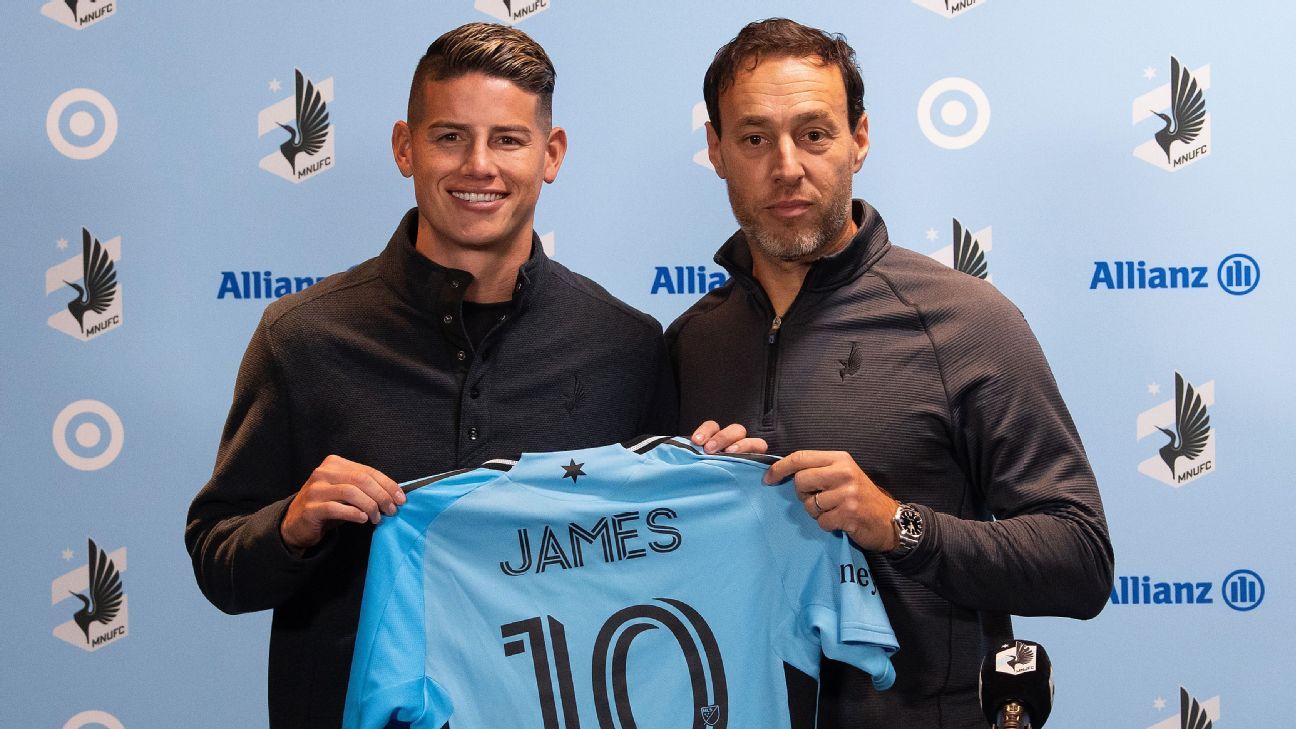
The recent announcement of James Rodríguez joining Minnesota United on a six-month contract has captured the attention of soccer fans and analysts alike. At 34 years old, the Colombian playmaker is at a crucial juncture in his career, and this deal, featuring a club option to extend through the 2026 season, is as unique as it is strategic. The partnership between Rodríguez and Minnesota United represents a low-risk situation for both parties, indicating a blend of opportunity and caution that encapsulates the modern landscape of soccer signings.
The Dual Motivation: Rodríguez and Minnesota United
For James Rodríguez, this move offers a vital platform for professional growth as he gears up for the 2026 FIFA World Cup, where he’s expected to be a pivotal figure for the Colombian national team. After a tumultuous series of short stints in European and Mexican leagues, his move to Minnesota signifies a chance to stabilize his career and reinvigorate his performance on the field. The club provides him with an environment conducive to training and competition, something he sorely needs after a series of fleeting tenures that left him searching for consistency.
Conversely, Minnesota United stands to gain significantly from this signing as well. Known for their gritty approach and tactical discipline—which led them to a commendable fourth place in the 2025 Western Conference—the team is now poised to capture the public’s imagination with the addition of an iconic player like Rodríguez. His arrival is likely to generate an uptick in attention and engagement from both domestic and international fans, placing Minnesota on a larger soccer stage.
The Short-Term Nature of the Deal: A Cause for Concern?
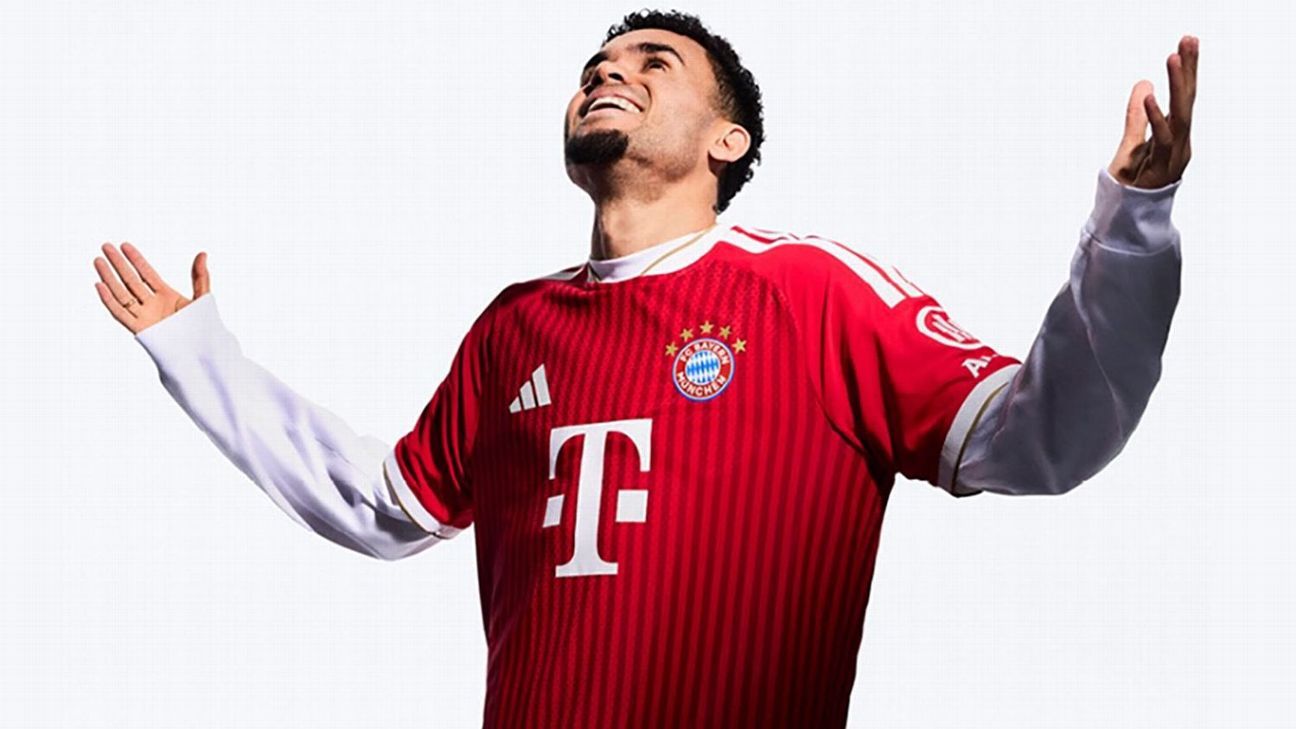
While Rodríguez’s talent is unquestionable, the short duration of the agreement raises eyebrows. This arrangement not only reflects the tentative trust both sides have in this partnership, but it also mirrors the volatility that has characterized Rodríguez’s career in recent years. With stints lasting no longer than a year since his time at Bayern Munich (2017-2019), it begs the question: how long before Minnesota United decides to cut ties if things don’t pan out as expected?
This dynamic is reminiscent of other high-profile, short-term signings in Major League Soccer. For instance, Gareth Bale’s brief tenure at LAFC yielded a thrilling MLS Cup triumph, but it’s important to note that he was more a supporting player than a central figure. Rodríguez’s role is decidedly more primary for Minnesota, creating an intricate balance where the team must cater to his skill set while also maintaining its collective effectiveness.
Tactical Challenges: Finding the Right Fit
As Minnesota United enters the new season, the question of how Rodríguez will fit into their tactical framework looms large. Traditionally regarded as a counterattacking unit, Minnesota boasted a league-low possession rate of 39% last year. While this style has its merits, particularly in its defensive solidity, it might clash with Rodríguez’s strengths, which lie in creativity and ball control rather than a defensive mindset.
Rodríguez’s history of playing with teams that organize themselves around his unique talents means that head coach Cameron Knowles will have to pivot the squad’s strategy. Talk of embracing a more expansive style of play—pressing higher and potentially collecting more possession—suggests an ambitious direction. However, expecting Rodríguez, who played less than 90 minutes in half of his appearances last season, to suddenly adapt to a more demanding role may be overly optimistic.
Historical Precedents: High-Risk, High-Reward Signings
This narrative is not new in soccer. Clubs often manipulate the risk-reward balance when signing dynamic players like Rodríguez. Take Inter Miami’s approach with Lionel Messi, whose acquisition was built upon a talented supporting cast that allowed him to shine despite inherent limitations. Similarly, Rodríguez will likely need complementary players to help cover for any tactical deficiencies.
Moreover, Minnesota’s historical struggles with significant signings suggest suspicion toward long-term commitments to players who bring talent but also existing challenges. El-Ahmad’s commitment to flexibility and adaptability offers a glimpse into how the organization plans to navigate Rodríguez’s integration into the squad. Leveraging Colombia’s pragmatic style along with their own strengths could enable a balanced approach that benefits all parties involved.
In this volatile environment, where anything from injuries to poor form can shift the narrative significantly, both Rodríguez and Minnesota United are playing a calculated game. Each side enters this partnership with hope, but the undercurrents of uncertainty provide a compelling backdrop to what promises to be an engaging—and intricate—season ahead.