Premier League Urgency Rankings: Evaluating All 20 Teams Based on Their Transfer Window Frenzy
Analyzing the Premise of January Transfer Madness
The January transfer window in football has a reputation for being a gamble—a stage set where sanity often takes a backseat to desperation. Ryan O’Hanlon notes that while most transfers across the seasons yield unsatisfactory results, the winter window amplifies this risk. Here, clubs often dive headfirst into the market during a time when inflated prices and questionable talents can dominate the landscape, creating an environment ripe for misjudgments.
The Economic Reality of Winter Transfers
The state of affairs is particularly concerning in the Premier League, where clubs splurged over €400 million during last month’s transfer window alone. Comparatively, no other league came close, with spending capped at €230 million. This disparity speaks volumes about the increasing desperation among clubs that find themselves competing for survival or success in an intensely competitive league.
Research indicates that clubs are often led to make panic buys, driven by the pressures of maintaining status or achieving early season objectives. January signings frequently attract a premium, as the window restricts options and brings forth a marketplace flooded with imperfect solutions. O’Hanlon cites studies that reveal a staggering 50% of strikers acquired during this window may not score a single goal for their new club, underlining the fraught decision-making climate.
Assessing the Need for New Talent
With the stakes escalating, several Premier League teams have been more or less desperate in their dealings. This desperation manifests itself in wildly differing strategies depending on their league position and contextual needs. Certain clubs, like Liverpool and Arsenal, found themselves underwhelmed by their current squad yet opted against making significant signings. Liverpool, for instance, chose to forgo any major acquisitions, even after experiencing numerous injuries and despite a strong desire for Champions League qualification.
Contrarily, clubs facing relegation battles or striving for glory engage in more frantic maneuvers. The likes of Tottenham and Aston Villa are examples of teams that have made considerable efforts to fortify their rosters. Tottenham sought younger options to improve their midfield dynamics, while Villa demonstrated a commitment to a “win-now” philosophy. Each signing illustrates the broader trend of chasing immediate improvements, thereby overlooking the long-term implications of such acquisitions.
The Mixed Outcomes of Transfer Decisions
Although history shows a high rate of underperformance among January signings, there are notable exceptions that defy the odds. Players such as Virgil van Dijk and Bruno Fernandes, who made impressive impacts shortly after joining their clubs mid-season, serve as reminders that winter recruits can, in fact, make a significant difference. O’Hanlon suggests that while the overall trend skewers towards failure, exceptions can create false optimism for the desperate.
The 2026 transfer window showcased various levels of success based on clubs’ strategic philosophies. For instance, clubs like Crystal Palace are grappling with tumultuous management changes and poor recruitment decisions, adding to their struggles both on and off the pitch. In contrast, Fulham and Brighton seemingly embraced a more gradual approach to player acquisitions, indicating a sensible long-term strategy rather than an immediate reaction to pressing challenges.
The Illusion of Control Amid Chaos
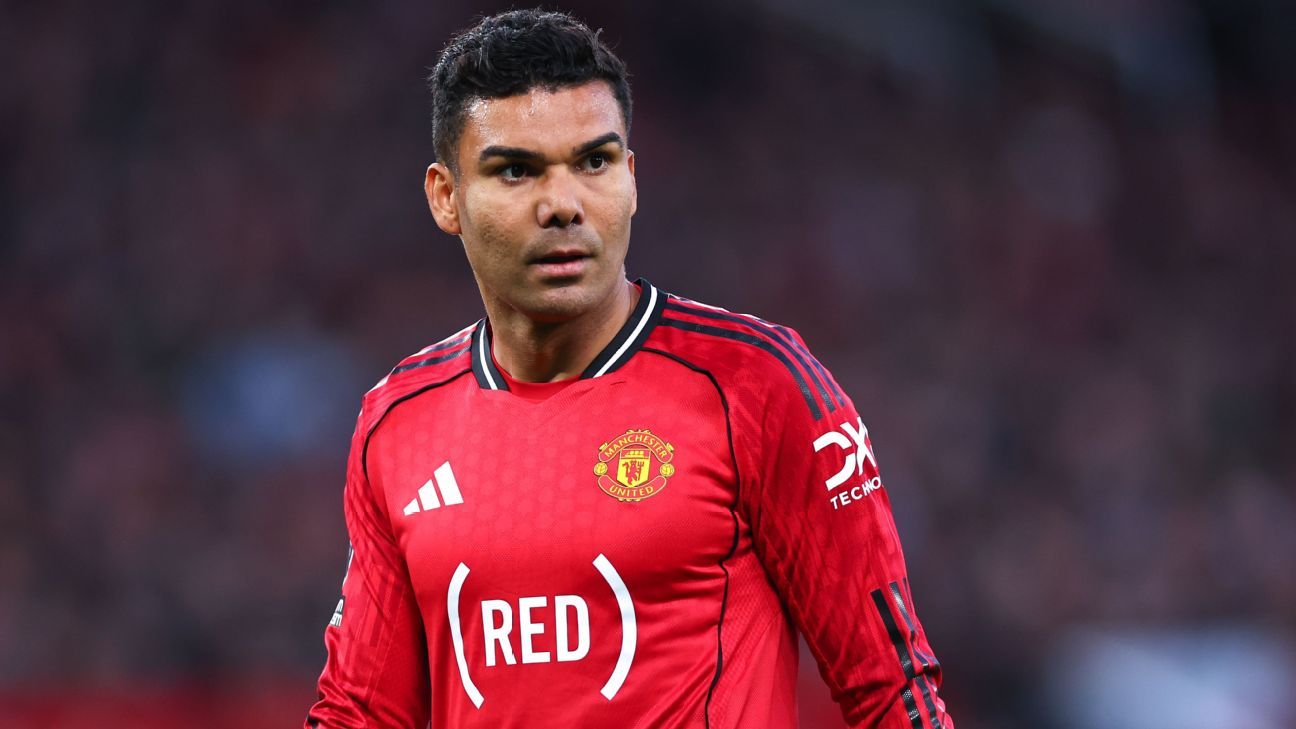
Interestingly, the chaotic nature of the transfer market reveals that expenditure doesn’t always equate to better performance or even a clear direction. The case of Manchester United, who recently let go of their coach without securing new players, illustrates how internal dysfunction can skew performance expectations. Similarly, Chelsea’s indecision during this window highlights a sense of uncertainty that permeates the higher echelons of football management, which can lead to indecisive or poor outcomes.
The question that lingers is how clubs can balance known market inefficiencies with the immense pressure to acquire talent. The blend of desperation and financial capability creates scenarios where teams compromise their integrity for short-term gains, often leading to buyer’s remorse once the dust settles.
As the dust settles on this January transfer window, it reminds us that while new talent could theoretically provide a much-needed boost, the reality is significantly more complex. The fear of missing out, coupled with financial imperatives, continues to shape the decisions of clubs striving to navigate the narrow path between immediate success and sustainable growth. Thus, understanding this evolving dynamic is crucial for fans, analysts, and clubs alike in an era where the beautiful game increasingly resembles a high-stakes gamble.