France decides against boycotting World Cup in response to Greenland for the time being.
France’s Stance on Potential Boycott of the FIFA World Cup Amid Political Tensions
The Importance of the 2026 FIFA World Cup
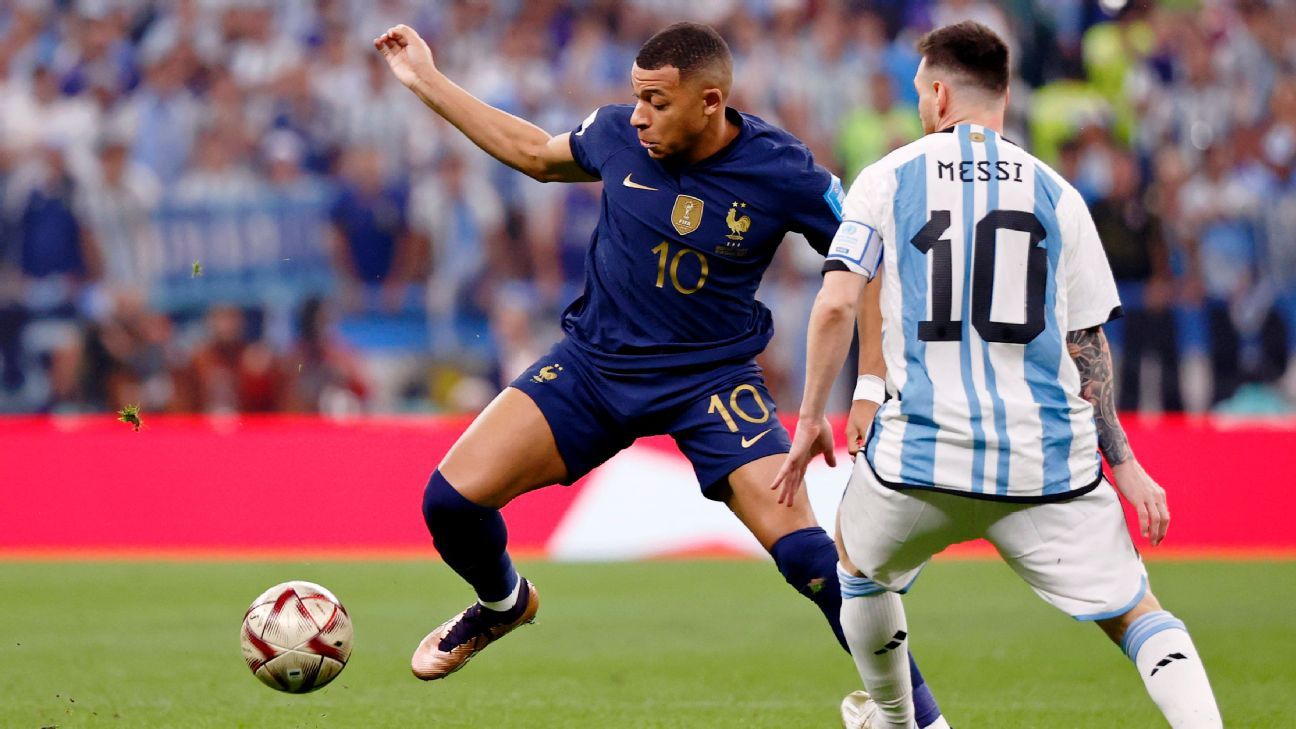
As the world gears up for the highly anticipated 2026 FIFA World Cup, which will be jointly hosted by the United States, Canada, and Mexico, the focus is not only on the thrilling matches ahead but also on the political backdrop surrounding the event. Sports Minister Marina Ferrari recently expressed France’s position on the possibility of boycotting the tournament amidst rising tensions related to former President Donald Trump’s controversial efforts to assert control over Greenland. This duality of sports and politics is complex, especially for a nation with a rich football tradition like France, which boasts two World Cup victories under its belt.
Ferrari emphasized that, as of now, there are no intentions from the ministry to boycott this prestigious competition, which is considered a pivotal moment for soccer fans globally. “The 2026 World Cup is an extremely important moment for all sports lovers,” she stated, acknowledging the significance of the event both for players and supporters alike. This sentiment resonates deeply in France, where football is more than a sport; it symbolizes national pride and unity.
The Political Landscape: Trump’s Greenland Controversy
The backdrop of the 2026 World Cup is marked by complex geopolitical dynamics. Recently, Trump’s audacious desire to acquire Greenland from Denmark has introduced new strains in international relations, particularly with European allies. France’s concern about these growing tensions has been voiced notably by leftist lawmaker Eric Coquerel, who questioned the morality of participating in an event hosted by a nation allegedly threatening its neighbors.
Coquerel’s comments reflect a broader unease among some French politicians regarding the ethical implications of participating in an international affair while the host nation is enmeshed in global disputes. “Can we really imagine going to play the footie World Cup in a country that attacks its ‘neighbors,’ undermines international law, and wants to torpedo the UN?” he pointedly asked. His proposal to possibly redirect the event to Canada and Mexico opens up a discussion about the role sports play in international diplomacy and respect.
Separating Sports from Politics: Ferrari’s Vision
Despite the looming political uncertainties, Marina Ferrari remains steadfast in her belief that sports should transcend political realms. “I want to keep sports separate from politics,” she noted, underlining a perspective that many sports leaders echo. The role of sports in bridging divides and promoting unity is vital, especially at a global event like the World Cup, which brings together nations from all corners of the globe.
Ferrari’s statement reflects a broader trend where sports figures actively seek to dissociate athletic events from political controversies, emphasizing the unifying power of sports. This perspective fosters a space where fans can celebrate their love for football without the heaviness of political judgments clouding the experience. Yet, the challenge remains: how do nations maintain this separation when global political climates are so intricately intertwined?
The Future of International Sporting Events
As the countdown to the World Cup ticked closer, discussions regarding boycotts and political stances are poised to continue shaping the narrative around the tournament. France, a historical powerhouse in the world of football, holds immense influence not only in sports but also in international relations. The decisions made now by French officials and athletes could resonate on multiple layers, impacting public perception and even setting precedents for future international sporting events amid political crises.
While Ferrari has indicated that a boycott is not currently on the table, the debates initiated by lawmakers like Coquerel could pressure officials to rethink their strategies as they navigate these complex waters. The possibility of reallocation and redefining international competitions may well become topics of discussion as host nations face their own political narratives.
The upcoming FIFA World Cup is not just a celebration of football; it’s a reflection of our interconnected world. In an era where politics often spill over into even our most cherished traditions, the decisions made now will shape the future of international sports and determine how we approach global events in ever-evolving political landscapes. As fans await the matches, they must also consider the implications that come with them and recognize the profound connection between sports, politics, and international relationships.