Keir Starmer urges FIFA to take further action following reversal on World Cup ticket prices
FIFA Faces Backlash: Ticket Prices Under Scrutiny Ahead of World Cup 2026
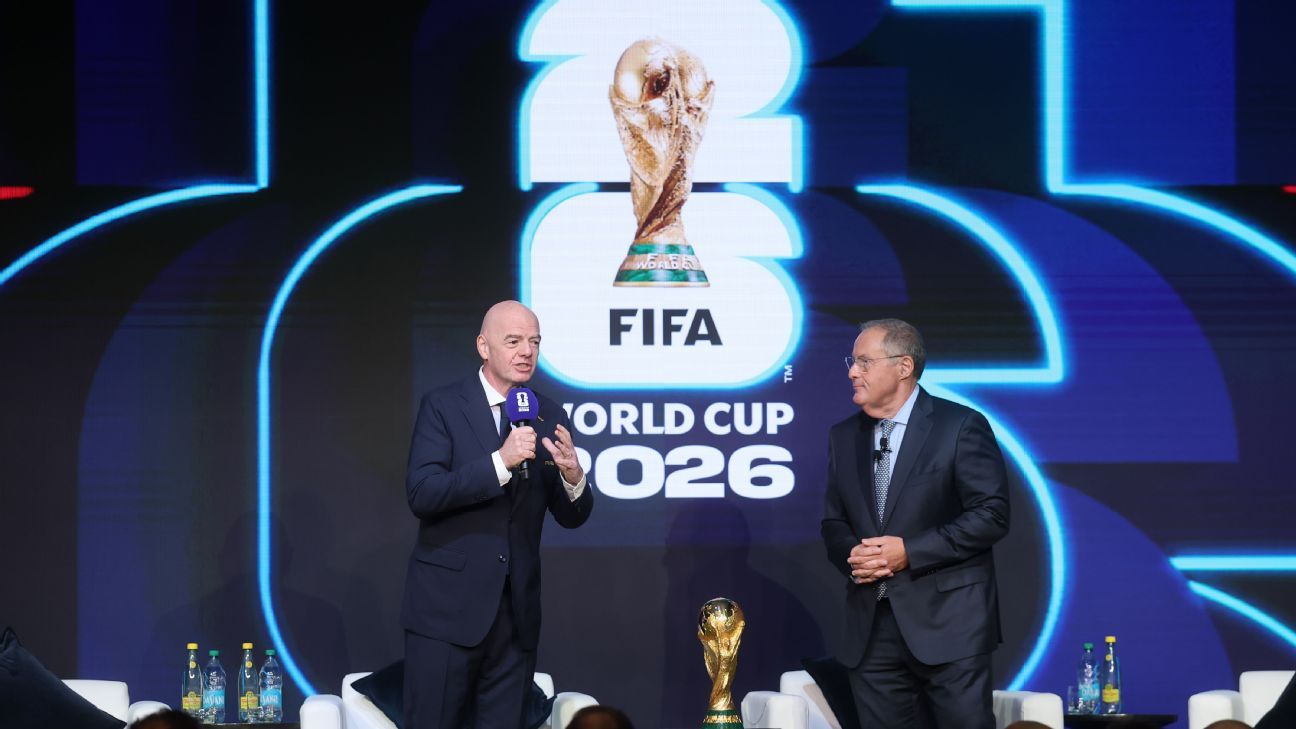
The upcoming World Cup in 2026 is generating a whirlwind of debates, particularly around its ticket pricing structure. Amidst a strong backlash from fans, Prime Minister Sir Keir Starmer has urged FIFA to take meaningful steps to ensure that supporters can afford to attend the event, echoing widespread sentiment that the current pricing model is out of touch with the average football enthusiast.
The Controversial Pricing Model
The original ticket pricing for the World Cup was met with considerable discontent when it was revealed that the cheapest tickets for key matches, including the final, would cost upwards of £3,000 (approximately $4,000). For dedicated fans wishing to follow their teams through the entirety of the tournament, costs skyrocketed even further—England supporters faced estimates of over £5,000 to stay in the loop from the opening match to a potential final appearance.
This steep pricing structure drew sharp criticism from fan groups and created an immediate outcry, underscoring the financial barriers that exist for many. Football Supporters Europe (FSE) specifically labeled the pricing model a “monumental betrayal” of fans, raising questions about accessibility and loyalty in a sport that prides itself on inclusivity.
FIFA’s Response: A Step Forward or a PR Stunt?
In response to the growing unrest, FIFA announced that 10% of ticket allocations for each match would be priced at a more reasonable $60 (£45), even including availability for the final match. This decision followed crucial discussions amongst senior officials, during which they outlined the necessity of reevaluating ticket prices in light of the fans’ feelings.
Despite this concession, the sentiment among supporters remains skeptical. Many view this move as a mere appeasement—a token effort aimed at quieting the uproar rather than a genuine attempt to make football accessible. The Football Supporters’ Association’s Fans’ Embassy stated that while this could indicate change, it ultimately doesn’t fix the overarching issue of high prices impacting 90% of loyal fans.
The Fan Experience: A Call for Affordability
Starmer’s comments on X (formerly Twitter) resonate with the nostalgic memories of supporters who have historically saved diligently to attend matches. He highlighted the importance of fans being able to participate in the exhilaration of the World Cup without being financially strained. His plea for FIFA to consider the economic realities faced by everyday supporters aligns with the broader conversation about the commercialization of football and the need to keep the essence of the game intact.
Football isn’t just a sport; it’s a cultural phenomenon that unites generations and communities. Starmer’s emphasis on affordability challenges FIFA not to lose sight of the fans who bring life to every match, underscoring that football’s heartbeat lies in the stands, where enthusiastic supporters create unparalleled atmospheres.
Navigating Demand and Distribution
As FIFA navigates the complexities of ticket demand—reportedly exceeding 20 million requests—it’s crucial to balance the needs of dedicated fans with the financial realities of hosting a large-scale event. The PMA allocation process, which permits a limited percentage of tickets based on participating nations, has drawn criticism for potentially sidelining everyday fans.
With only about 450 of the available tickets for the final being sold at the new lower price, questions arise about how these tickets will be distributed and who will ultimately benefit most from these changes. FIFA officials have indicated their goal is to ensure loyal supporters receive access, but only time will tell if the processes put in place fulfill this promise.
This intricate web of logistics and stakeholder interests highlights the challenges FIFA faces as they strive to navigate commercial success alongside ensuring the sport remains grounded in its core fanbase. As discussions continue, it remains to be seen whether FIFA’s changes will lead to substantial improvements or simply serve as a temporary relief to mounting pressures.
In the lead-up to the World Cup, all eyes will be on FIFA to see how they respond while balancing their commercial objectives with the calls for a more equitable approach to ticketing, reflecting the spirit of the game that fans have cherished for generations.