Could another injury hinder Adams’ World Cup training for the U.S.?
Challenges Ahead for the U.S. Men’s National Team as They Gear Up for the 2026 FIFA World Cup
As the U.S. Men’s National Team (USMNT) looks toward the 2026 FIFA World Cup, a multitude of challenges looms on the horizon. From assessing players’ form within their club situations to ensuring overall player health, the road to the tournament promises to be anything but straightforward. With just 176 days left until the U.S. announces its roster, the stakes are rapidly rising.
The Health Factor: A Foreboding Reality
One of the most pressing issues for the USMNT will undeniably be maintaining player health. With the nature of soccer demanding peak physical condition, injuries can sideline even the most talented players at critical junctures. Historical trends show that a subset of players will inevitably face injury challenges, affecting their participation in major tournaments.
In the 2022 FIFA World Cup, players like Chris Richards and Miles Robinson found themselves unable to compete despite their contributions to the team’s buildup. The 2014 tournament saw a similar fate for Stuart Holden, who missed the flight to Brazil, and Jozy Altidore, whose World Cup was cut short by a hamstring strain just minutes into the first match. As fans and analysts turn their eyes toward 2026, the imperative for health and fitness will occupy center stage.
The USMNT is already feeling the effects of these pressures, as injuries have begun to affect the squad. Coach Mauricio Pochettino’s hopes hinge on whether key players can stay fit in the lead-up to the tournament. The team’s injury list is an unfortunate reminder of soccer’s unpredictability, yet it also provides a glimpse into the resilience this squad will need to navigate their preparation effectively.
Key Players Under the Microscope
As the countdown to the World Cup unfolds, the performance and condition of key players are observed with increasing scrutiny. Through the season, ESPN will regularly profile individual players to evaluate their fitness and form, tailoring insight into who stands out in the competitive landscape of the squad. Importantly, each player’s performance within their respective clubs serves as an indirect measure of their readiness for the national team.
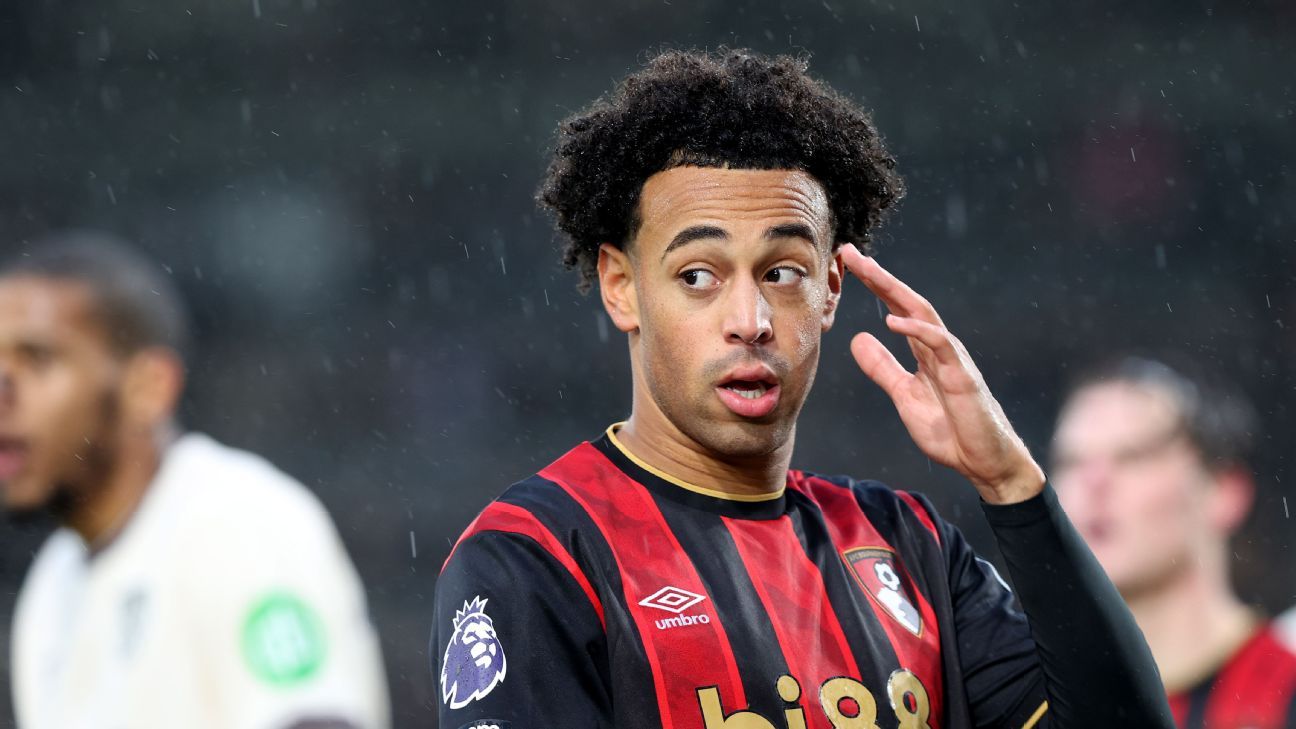
A prime example is Tyler Adams, whose recent knee injury raises concerns not only for his club, Bournemouth, but also for the national team. Having struggled with various injuries over recent years, his form was notably improving when disaster struck against Manchester United. The early diagnosis of a sprained left MCL is worrisome, and the timeline for recovery remains uncertain. Adams is known for his pivotal role within both his club and the national team, and his absence could leave a significant void.
Conversely, the return of Miles Robinson brings a sense of optimism to the defense. After battling injuries for a considerable time, Robinson made a significant impact on Fulham’s recent victories, contributing both defensively and offensively. His experience is invaluable, and his inclusion strengthens the backline as the World Cup approaches.
Emerging Talent and Pressing Challenges
As established players contend with injury setbacks, emerging talents within the squad are presenting themselves as viable alternatives. One of the noteworthy names is Jesús Ferreira, whose strong form could prove essential as he battles with Folarin Balogun for a spot in the attack. Ferreira’s recent scoring spree positions him favorably going into the March international window, marking him as a player to watch in the ongoing competition.
Amidst this backdrop, players like Malik Tillman and Patrick Agyemang are also capturing attention. Tillman, transitioning to Bayer Leverkusen, has shown adaptability in his new environment, proving he can thrive despite managerial changes. On the other hand, Agyemang’s impressive performances for Derby County show not just his potential but also underline the need for versatility among the forwards. Weighted down by competition from the likes of Wright, Balogun, and Pepi, Agyemang’s growing consistency could serve as a pivotal factor in his push for a World Cup berth.
The Evolving Lineup: Adjusting to Injury Strains
With the medical report continually casting shadows on player availability, the USMNT’s lineup is likely to experience fluid shifts as they work toward building an effective squad. Adams’ injury means a reshuffling in midfield, highlighting Weston McKennie’s versatility as he’s shifted back to center midfield alongside Tanner Tessmann. This adjustment reflects not only the immediate need due to injuries but also strategic considerations ahead of the big tournament.
McKennie has showcased his ability to adapt to various roles in both club and international settings, making him a valuable asset as the team navigates player absences. His experience is underscored by his consistent contributions against formidable opponents, providing a stabilizing presence in midfield. The upcoming international windows will offer opportunities for others to assert themselves in the pecking order, setting the stage for the USMNT’s objective of galvanizing a cohesive unit ahead of World Cup qualification.
A Narrative of Resilience and Aspirations
As the USMNT treads the challenging path toward the 2026 FIFA World Cup, the balance between health, emerging talent, and experienced players remains delicate. Each player’s contribution is critical as they not only fight for their place but also seek to solidify their legacy on the world stage. The build-up to the tournament promises to be filled with trials and tribulations, but that is what makes this journey all the more gripping for fans and players alike.