Marcotti’s Aspirations for 2026: A Grand World Cup Featuring Italy, Greater Transparency in Football, and More
Looking Ahead: 30 Wishes for Football in 2026
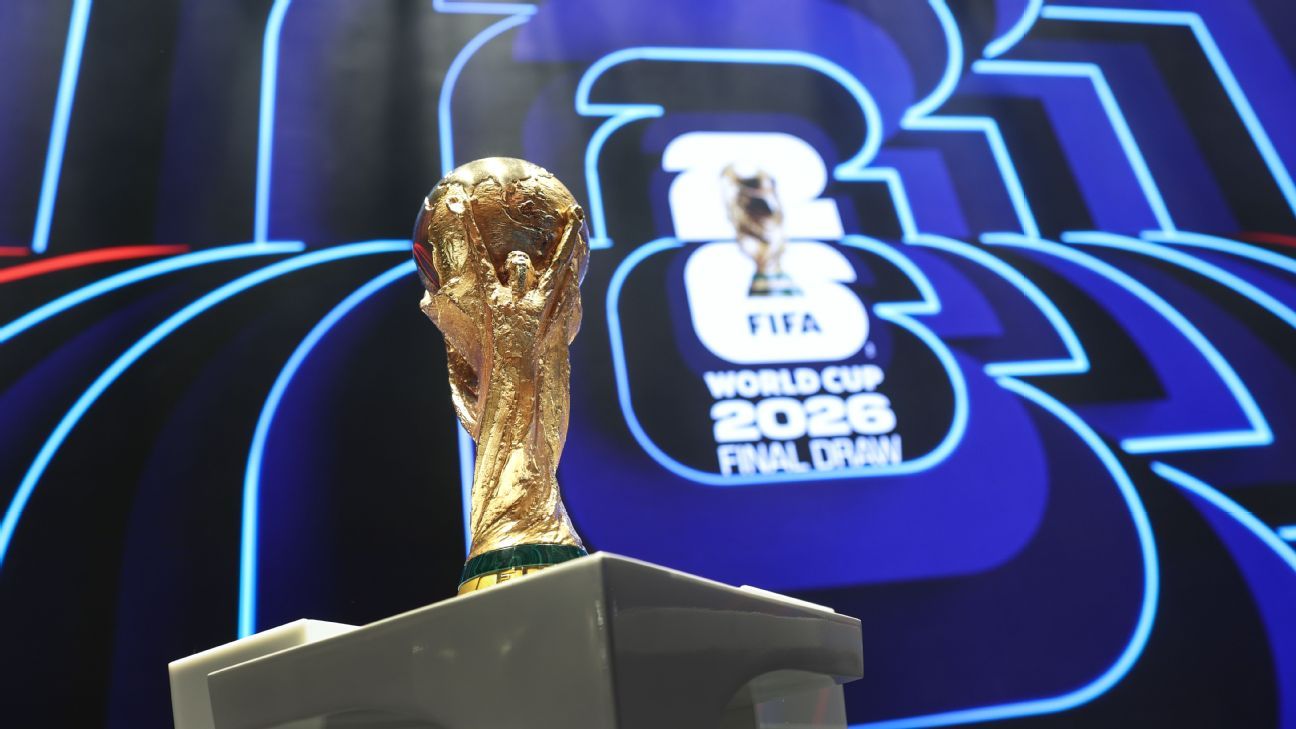
As we step into a new year, anticipation fills the air for one of the most significant events in the sporting world: the 2026 FIFA World Cup. Yet, beyond the excitement of international football competition, the broader landscape of the game holds much to ponder. In this spirit, we explore key wishes for football as it navigates this pivotal year, covering everything from safety and inclusivity in tournaments to addressing systemic inequalities in the club game.
Ensuring a Safe and Welcoming World Cup
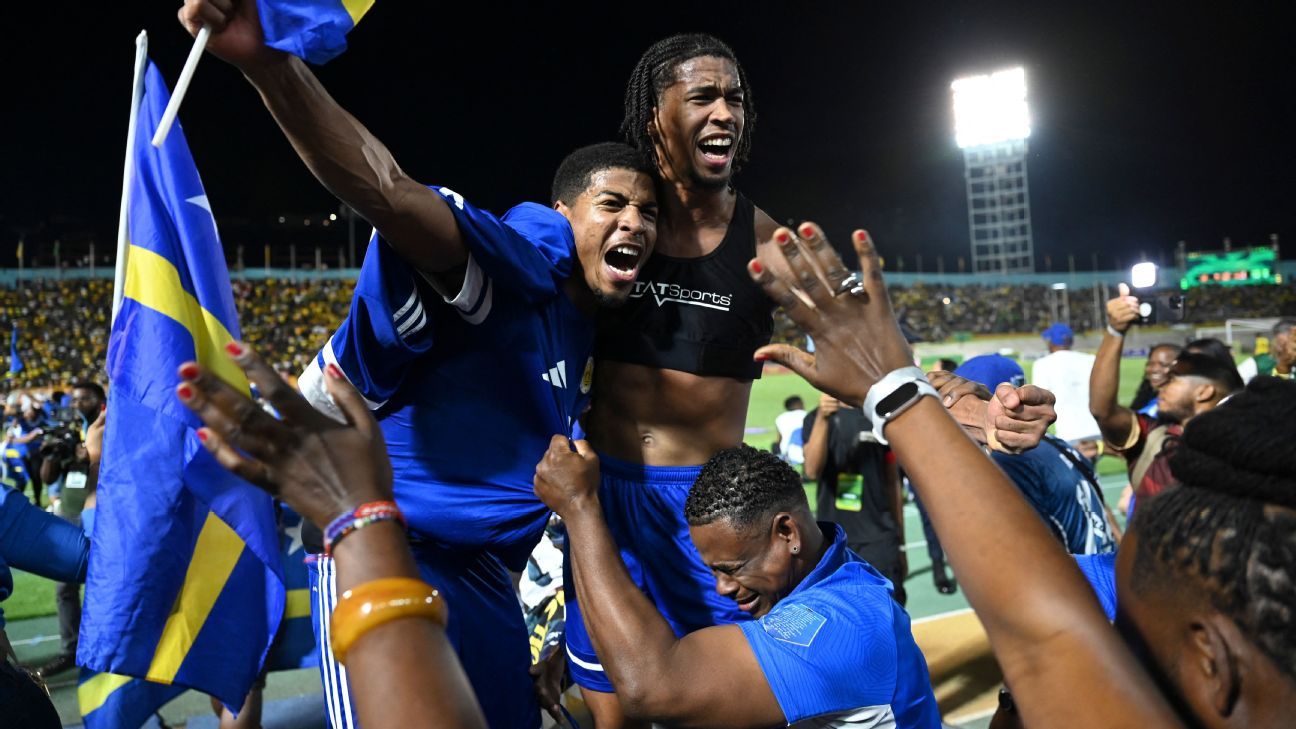
First and foremost, the hope is that the 2026 World Cup remains a remarkable experience for everyone involved. Football is a unifying force, and ensuring that the event is secure and welcoming for fans, players, and officials alike should be paramount. It’s essential to create an atmosphere that promotes enjoyment and camaraderie, no matter the outcome. After all, the emotional highs and lows of supporting a team are intrinsic to the sport; but they should never come at the cost of safety and well-being.
Moreover, transparency surrounding officiating is crucial. The wish for a “clean” winner devoid of controversy resonates deeply. Weighing historical incidents where officiating mishaps marred the conclusive moments, the objective is clear: let the match’s outcome rest solely on the skills displayed on the pitch. Controversies should be limited to earlier rounds, thus preserving the integrity and thrill of the final.
Growth Beyond Borders
Equally important is the profound impact of the World Cup as a catalyst for the growth and development of football in North America. While the sport has gained significant traction in the U.S. over the last decade, this tournament presents an extraordinary opportunity for it to further establish itself in the hearts of fans. Canada is making strides with its Canadian Premier League, while Mexico’s Liga MX is poised to revitalize promotion and relegation systems.
The ripple effects of the World Cup should extend well beyond tournament time. Ideally, the event will boost local and regional clubs while inspiring young athletes across North America—nurturing the next generation of talent. The synergy of international competition and local participation can only serve to enrich the sport.
Embracing Modern Technology and Ethics
In a world where technology intertwines with sports, the implementation of VAR (Video Assistant Referee) at the World Cup must be approached with careful consideration. The hope is for the inclusion of VAR in such contexts as corner kicks and second yellow cards, minimizing confusion and enhancing fair play. While the debate about re-refereeing often dwindles, it’s essential to employ all available tools in a tournament of this magnitude.
Concurrently, there’s an increasing awareness of the inequities that plague top-flight football. The disparity in financial strength among clubs is glaring, as some teams flourish while others struggle to compete. The wish here is that authorities prioritize not just financial sustainability but also competitive balance. As the game evolves, strategies to bridge this gap must take the forefront.
Critical to the sport’s integrity, the call for transparency in club ownership is pivotal. With the rise of sovereign wealth funds and multi-club ownership structures, ensuring ethical standards becomes increasingly important. The hope is to safeguard the sport from the pitfalls of financial manipulation while maintaining its competitive essence.
Voices of Change
The women’s game stands at a vital juncture as well. It must carve its own path without the pressure to mirror the men’s game, which has over a century’s worth of history. Ensuring that women’s football grows sustainably and organically is crucial. There are calls for independent governing bodies to address funding and development more effectively, allowing this side of the sport to flourish unencumbered.
Simultaneously, significant figures like Gianni Infantino stepping aside for new leadership could usher in fresh perspectives. His presidency has brought noteworthy advancements, yet it’s essential to embrace periodic change in leadership to encourage innovation and address any legacy issues. After all, effective leadership includes planning for future transitions.
Engagement through collective bargaining at the national and international levels is another area ripe for improvement. Drawing lessons from various successful leagues, players must be equipped to advocate effectively for their rights and interests. The establishment of strong unions serves not only the players but may also contribute positively to the broader context of club management.
These wishes for 2026 encapsulate both the hopes and challenges facing football as it continues to evolve. Whether addressing systemic problems or celebrating the sport’s immense passion, the year ahead promises to be transformative, setting the stage for not just the World Cup, but the entire footballing landscape.