Key Issues Arsenal Needs to Address in the January Transfer Window
The January transfer window is a pivotal moment in the Premier League calendar, opening its doors on New Year’s Day and ushering in a monthlong rush for clubs eager to solidify their squads. For Arsenal and other teams competing at the top of the table, this window presents an opportunity—not just to shatter records and win trophies, but also to ensure squad depth that can sustain a rigorous season. On the flip side, clubs desperately fighting to evade relegation see it as a crucial chance to secure reinforcements to help them escape the drop zone.
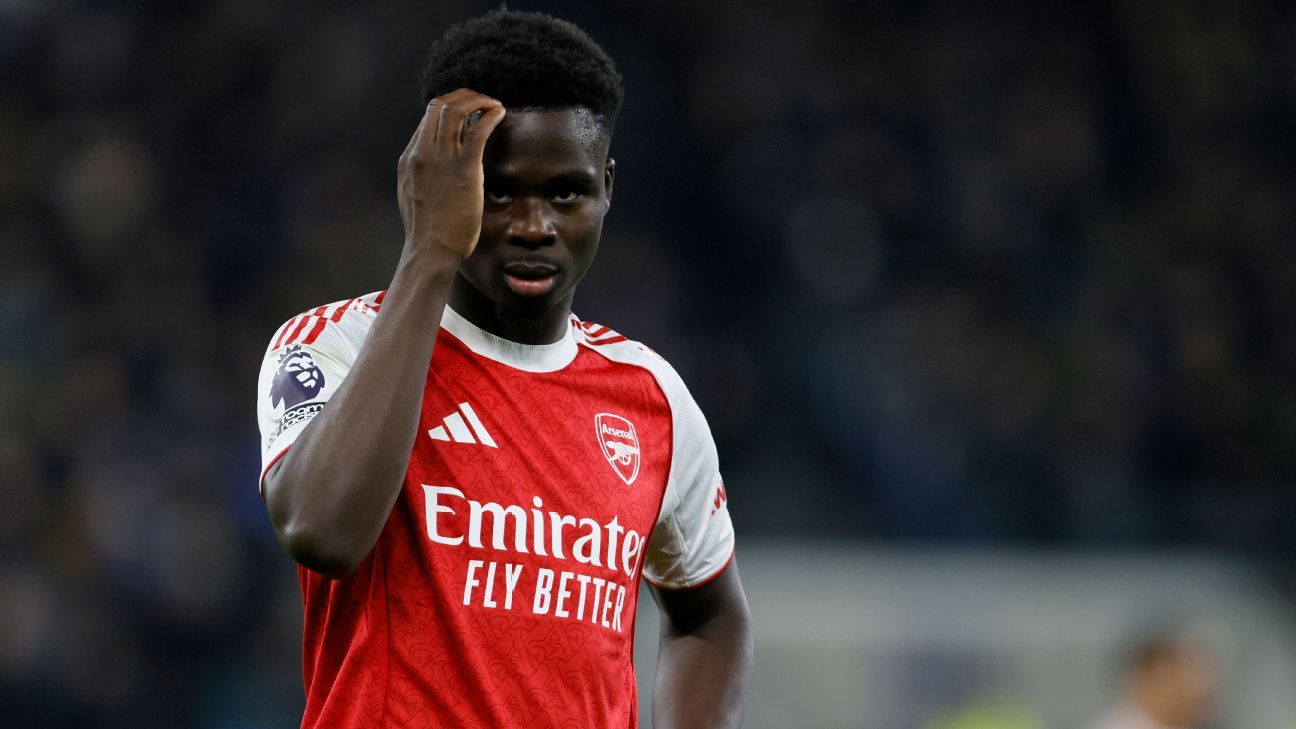
However, the transfer window is not solely about new acquisitions. It’s a prime moment for teams to assess their current rosters, focusing especially on key players whose contracts are nearing expiration. The looming threat of free agency for talents like Bukayo Saka prompts clubs to forge new deals before they risk losing their stars. Let’s delve into the specific concerns at Arsenal as they navigate the opportunities and challenges presented during this transfer window.
### Contract Extensions: Crucial Decisions
Top of the list for Arsenal is Bukayo Saka, whose contract runs until June 2027. Both Mark Ogden and Gab Marcotti emphasize just how vital it is for the club to act quickly in securing his future. Ogden points out that allowing such a talented player to enter the final year of his deal without commitment is fraught with peril. With Saka being one of the most promising talents in Europe, competition for his signature could become fierce. This, combined with Arsenal’s identity and future aspirations, underscores the urgency of wrapping up negotiations soon.
On the other hand, Marcotti suggests there may already be an implicit agreement in place, noting that Saka’s loyalty to the club should not be taken for granted. The underlying tension here revolves around commitment—not merely from the player, but also from the club. If Saka feels undervalued or taken for granted, might he be persuaded to explore opportunities elsewhere even if Arsenal garners silverware this season? These dynamics make contract renewals not just business, but a matter of maintaining morale and loyalty within the squad.
### Tactical Assessments and Strategic Plays
Arsenal’s tactical landscape is also shifting as players like Kai Havertz return from injury. As Ogden observes, Havertz, while skilled, represents a very different type of forward compared to Viktor Gyökeres. He’s a player who has consistently made an impact in crucial matches, despite frustrations with his overall performance. The question for manager Mikel Arteta now becomes whether he prioritizes player form or continues with a rotational strategy.
Marcotti notes that if Havertz remains sidelined in favor of Gyökeres—even with his substantial salary—it could set off alarm bells regarding squad management. With Havertz secured until 2028, it would be logical for the club to leverage his talents in matches that demand high stakes. Alternatively, letting him languish on the bench could force the club to reconsider their investment. The complexity of this situation emphasizes how player strategy is not just about individual performance, but rather how those choices reverberate throughout the team’s fabric.
### Young Stars: Future Stars or Future Exits?
As the January window progresses, the futures of several young talents at Arsenal also loom large. With players like Gabriel Martinelli and Leandro Trossard both out of contract in 2027, the club must gauge their trajectories carefully. Ogden points out that while Martinelli has potential, he may not be playing enough to justify his spot as he competes against a robust roster. This tension prompts an important question: How much time should Arsenal invest in players who may not be integral to their plans moving forward?
Marcotti adds another layer to this narrative by evaluating Trossard’s role as a pivotal squad player. His happiness as a utility component in the team, along with his productivity, presents a compelling case for an extended contract. Conversely, Gabriel Jesus—despite being a marquee signing—may need to be eased out as room for younger talent emerges. As the club assesses its future lineup, determining who to retain becomes a balancing act between current necessity and long-term vision.
### Navigating the Trade Market: To Stay or To Go
Amidst all this contractual pondering lies another pressing question: Does Arsenal need to be active in the transfer market this January? Given their significant investment in the summer—acquiring players such as Piero Hincapié and Nørgaard—both Ogden and Marcotti agree that the squad is in good shape. They have depth across most positions and with key players returning from injury, panic buying seems unnecessary.
However, the conversation shifts toward the development of young players who might not see enough game time. There’s an argument to be made that sending them out on loan—like the talented Ethan Nwaneri—might be beneficial for their growth, allowing them to return stronger. This holistic view of player pathways establishes a nuanced understanding of squad management that extends beyond mere immediate needs, casting a spotlight on sustainable approaches to player development.
As Arsenal navigates this intricate landscape of contracts, tactical decisions, and potential trades, the club’s overarching ambition remains clear: to return to the pinnacle of English football. The choices they make in the January transfer window could very well pave the way for both their immediate success and long-term stability.