FIFA Celebrates 5 Million World Cup Ticket Requests in Just 24 Hours Despite Controversy
The 2026 World Cup Ticket Surge: Demand Amid Controversy
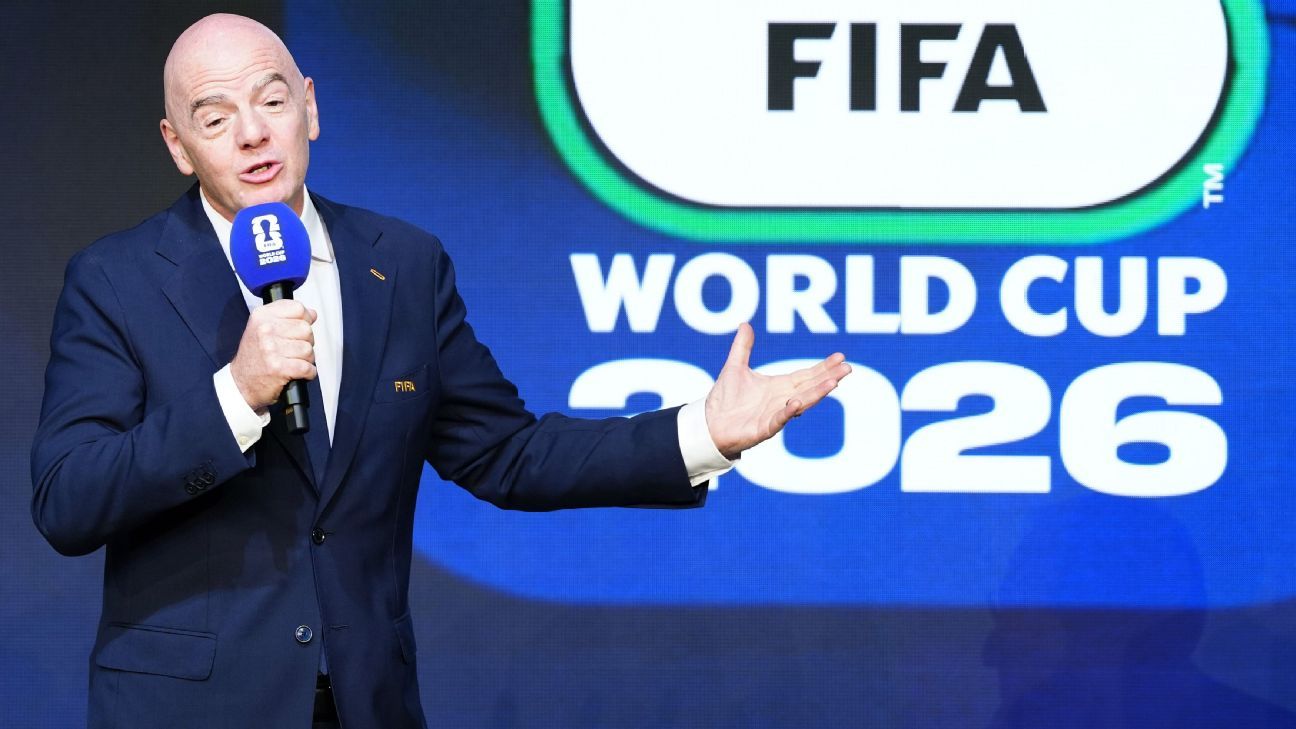
As anticipation builds for the 2026 FIFA World Cup, the global football community is buzzing with excitement, evidenced by a staggering 5 million ticket requests within just the first 24 hours of the latest sales phase. This overwhelming interest comes despite mounting backlash from supporter groups protesting the ticket prices—a reality that complicates the joy of fans and organizers alike.
An Unprecedented Demand
FIFA’s recent announcement emphasizes a resounding enthusiasm for the tournament, stating that demand surged from fans hailing from over 200 countries. The excitement is palpable, particularly as this World Cup marks a significant milestone—being the first to feature 48 teams, expanding the tournament’s reach and potentially its global footprint. Fans can now request tickets specific to matchups following last week’s draw, a feature that adds a layer of anticipation and connection to individual games.
Yet, despite the thrill, the record figures come at a time when many organizations, including Football Supporters Europe (FSE), are vocalizing concern. They argue that the soaring prices reflect a departure from the spirit of the World Cup, traditionally regarded as a celebration of football accessible to fans globally.
Pricing Controversies
A look at the published price tiers reveals a stark contrast to expectations set seven years ago when the United States soccer officials bid for the tournament. Initially, there was hope for a generous offering of $21 tickets for the opening phase. However, ticket prices have escalated dramatically, with match costs spanning from $180 to $700 for group games and an eye-watering $4,185 for the final, peaking at $8,680.
To many supporters, these figures feel prohibitive, especially when previous tournaments offered tickets at far more accessible prices—ranging from $25 to $475 during the 1994 World Cup and averaging around $70 to $1,600 in Qatar. As the ticketing strategy shifts towards a dynamic pricing model influenced by demand—a method recently tested at the Club World Cup—fans fear they are being priced out of involvement in a major cultural event.
Fan Backlash and Demands for Change
Reactions from fan organizations have been swift and stern. The FSE condemned the pricing structure as “extortionate,” calling for an immediate halt to ticket sales until a solution can be struck that honors the core values of diversity and accessibility that the World Cup embodies. This sentiment has resonated strongly among various football supporter groups, including the Association of Tartan Army Clubs, which described the situation as a “disgrace” that threatens to exclude many enthusiastic fans, particularly the youth.
The dialogue surrounding ticket prices has also reached individual football associations, with England’s FA planning to advocate for its supporters directly to FIFA. Nonetheless, any tangible change appears uncertain as FIFA maintains that their nonprofit status allows them to reinvest in football development efforts, ostensibly justifying the increased pricing as a means to support the broader football community.
A Closer Look at the Most Coveted Matches
As the ticket request frenzy unfolds, certain matches stand out as particularly desirable. Notably, the clash between Colombia and Portugal, featuring the legendary Cristiano Ronaldo, has attracted the most requests in the early hours of ticket sales. Anticipation for this match is amplified not just by the star power but by the emotional weight of national pride associated with the World Cup.
Other sought-after games include Brazil facing Morocco, and high-stakes matchups like Mexico vs. South Korea and Ecuador vs. Germany. Each of these games carries its own narrative, enrapturing fans who are eager to witness pivotal moments in the sport’s history. These narratives, meshed with personal aspirations and national loyalties, create a tapestry of excitement and tension that heightens the desire for tickets, even in the face of criticism.
Through this complex landscape of enthusiasm, backlash, and high-stakes matches, the 2026 World Cup is shaping up to be a monumental occasion in the world of soccer.