
Steve McClaren resigns from Jamaica coach position following World Cup setback.
Steve McClaren Resigns as Jamaica Manager: A Reflection on Performance and Future Prospects
On November 19, 2025, the football world was shaken by the news that Steve McClaren had stepped down as the head coach of the Jamaican national team after a challenging 18-month tenure. His resignation followed a heart-wrenching failure to qualify for next summer’s World Cup, which marked a significant setback in his managerial career. McClaren’s journey with the Reggae Boyz was an eventful one, filled with high hopes, early successes, and unfortunate stumbles, ultimately culminating in this pivotal moment for Jamaican football.
A Promising Start Turns Sour
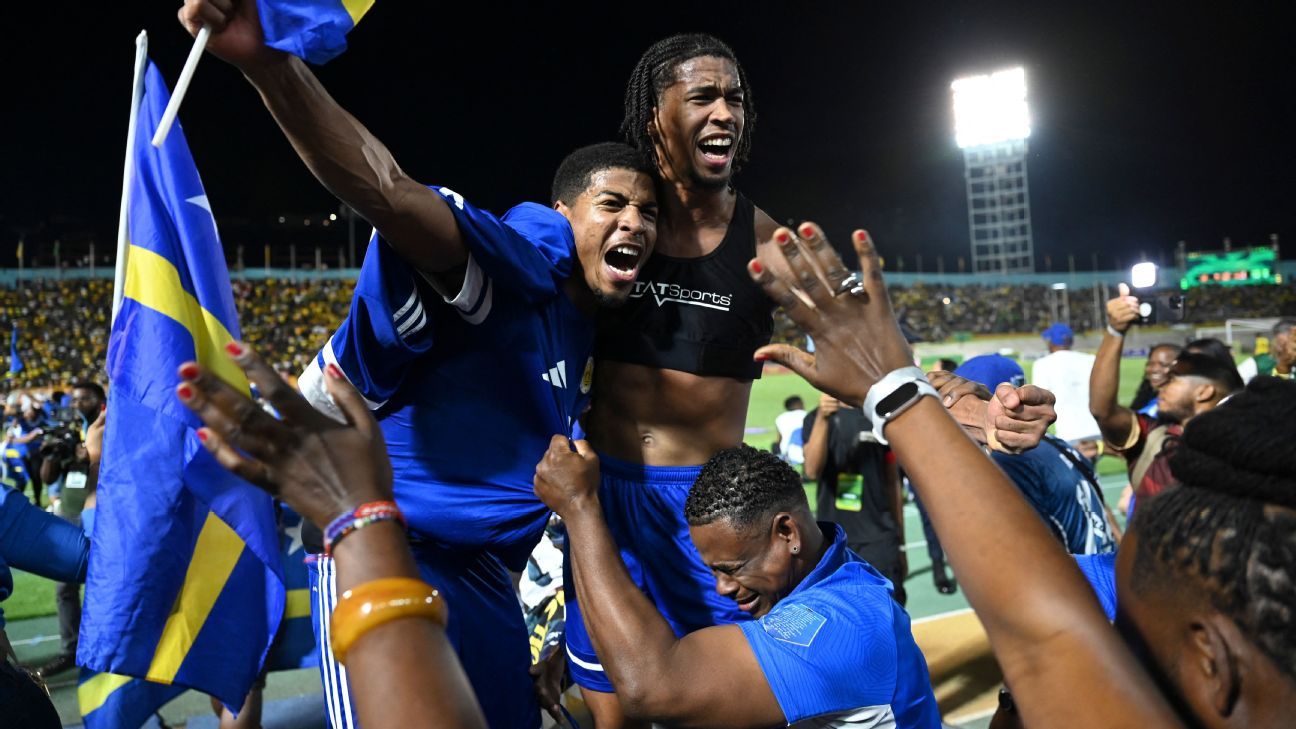
McClaren arrived in Jamaica with an ambitious agenda and a vision to elevate the nation’s football standing. Initially, his efforts seemed to bear fruit as the team secured victories in their first two matches without conceding any goals. However, cracks soon appeared in the façade of success. A loss to Curaçao—a crushing blow considering they were later revealed to be World Cup qualifiers—was compounded by a disappointing draw against Trinidad and Tobago. The Reggae Boyz found themselves in a precarious position, unable to capitalize on their early promise. Necessitating a victory against Curaçao in a decisive match, the team instead managed just a 0-0 stalemate, sealing McClaren’s fate.
This rollercoaster of results is emblematic of the volatility that often characterizes international football. The disappointing outcome was not just a failure on the pitch but a reflection of deeper issues within the team dynamics and tactical execution.
The Resignation: A Leader’s Accountability
In his resignation statement, McClaren emphasized a critical aspect of leadership: accountability. “Over the last 18 months, I have given everything I have to this job,” McClaren remarked. Football, as he aptly stated, is a results-driven business where the weight of responsibilities falls squarely on the leader’s shoulders. The decision to step down was not just a personal choice but a necessary gesture aimed at reorienting the team for future challenges.
McClaren’s focus on the necessity of fresh energy and new perspectives underscores a common theme in sports management. When results wane, it prompts a reevaluation of strategies, philosophies, and sometimes personnel. In acknowledging the need for change, McClaren demonstrated a level of humility and commitment to the welfare of Jamaican football even as it cost him his position.
The Achievement of Curaçao: A New Benchmark
While Jamaica’s World Cup aspirations crumbled, Curaçao made history by becoming the smallest nation to qualify for the tournament, a remarkable achievement for a country with a population of just 156,115. This juxtaposition further magnifies the disappointment felt by Jamaican fans and football officials alike. Curaçao’s rise to prominence serves as a reminder of how football can be an unpredictable arena where underdogs often emerge victoriously against the odds.
This success story not only shines a light on Curaçao’s diligent preparations and strategic gameplay but also raises questions for Jamaica and other nations about how to foster talent and cultivate a winning mentality at both grassroots and national levels. The pressure is now on Jamaican football to reassess its structures and strategies in hopes of emulating such success in the future.
Looking Ahead: The Road to Redemption
Despite the setback, Jamaica’s path to potential World Cup qualification remains—though fraught with challenges. The Reggae Boyz are slated to participate in a six-team mini-tournament in Mexico, requiring them to win two games to keep their World Cup dreams alive. This new format presents both an opportunity and a daunting task, as they will need to outperform strong teams like DR Congo or Iraq in order to secure their spot on football’s biggest stage.
In the wake of McClaren’s departure, the Jamaican Football Federation must move quickly to appointed a new leader who can galvanize the squad, instilling a renewed sense of purpose and strategy. The success of this upcoming mini-tournament could mark a turning point for Jamaican football, reigniting the passion of its supporters and athletes alike. While McClaren’s era may have ended in disappointment, it also paves the way for fresh beginnings, fresh ideas, and a chance to redefine the future of the Reggae Boyz.
As we look forward, the essential qualities of resilience, unity, and belief will be crucial for Jamaica as they navigate this transitional phase, proving that while the journey may be challenging, the potential for greatness remains tantalizingly close.