Can Slot Prevent Liverpool from Being the Least Successful Defending Champions in Premier League History?
Liverpool’s Struggles: A Tumultuous Title Defense
Liverpool FC, a club synonymous with glory, has faced a tumultuous start to their title defense in the Premier League. After spending a staggering £450 million on new signings during the summer, expectations soared. Yet, as of this season, it appears the Reds are on track to becoming the league’s worst-ever defending champions. This article will delve deep into the struggles currently besieging Liverpool, the pressures faced by their new manager, Arne Slot, and the overarching issues within the squad.
The Weight of Expectations
Last season, Liverpool clinched their 20th league title, celebrating what many believed was the solid foundation for sustained dominance. However, that glory seemed like a distant memory as they began their title defense. After just 12 matches, Liverpool dropped from the top position to 11th, suffering from poor performances across the board. Slot, who was expected to seamlessly transition from Jürgen Klopp’s era, is now wrestling with mounting pressure that few anticipated.
The hefty investment in new players like Alexander Isak and Florian Wirtz, both costing over £100 million, has failed to yield the anticipated dividends. Rather than enhancing the squad, these signings have turned into costly missteps. Isak, in particular, remains goalless in the league, generating visible frustration among the fanbase. The high hopes pinned on these new talents have not only intensified scrutiny on Slot but left a shadow over the entire club.
Defensive Woes and Tactical Issues
One of the glaring issues plaguing Liverpool has been their defensive incompetence. Historically known for a resilient backline under Klopp, the current defense is struggling to maintain any semblance of organization or composure. Ibrahima Konaté’s form has faltered significantly, often triggering a chain reaction that affects the entire unit. Virgil van Dijk, the team’s captain, has voiced concerns, suggesting that player accountability is lacking.
The situation is worsened by injuries and departures. The failure to secure a vital addition like Crystal Palace defender Marc Guéhi during the transfer window looms large now. Slot’s decision to rely on Milos Kerkez, an inexperienced left-back, has also proved detrimental. The ramifications of these tactical choices have permeated throughout the squad, leading to more defensive lapses and goals conceded than scored. With each match, the weight of expectations grows heavier, and the team seems ill-equipped to turn the tide.
Midfield and Forward Struggles
The midfield, once a bastion of creativity and control, has turned into another significant worry. With Wirtz failing to make an impact in the Premier League, Liverpool’s attacking transitions have become sluggish and predictable. The German international has been unable to adapt to the physical demands of English football, a challenge that has been exacerbated by the failures surrounding him. Lackluster performances in the middle mean that the forwards aren’t receiving the service they need, further compounding their struggles.
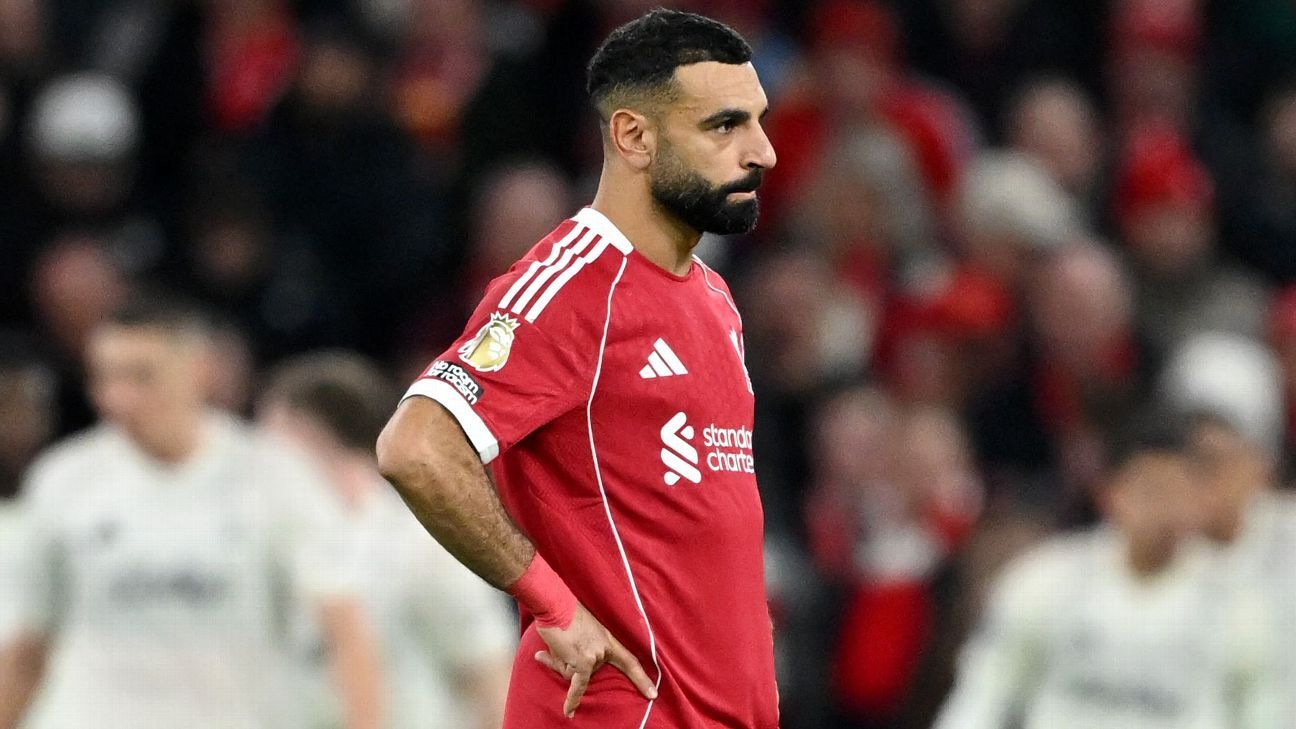
At the forefront, Salah’s decline in form, despite being last season’s Footballer of the Year, raises more questions than answers. The Egyptian’s struggles coincide with his reported desire for a move, fueling speculation that his heart may not be fully in the project. Alongside him, Hugo Ekitike’s valuations as a promising talent are taking a hit amid an absence of goals and impactful performances. The trio of Isak, Wirtz, and Ekitike carry immense talent, but collectively they have momentarily faltered, pointedly failing to fill the void left by a less-than-absent Salah.
A Manager Under Fire
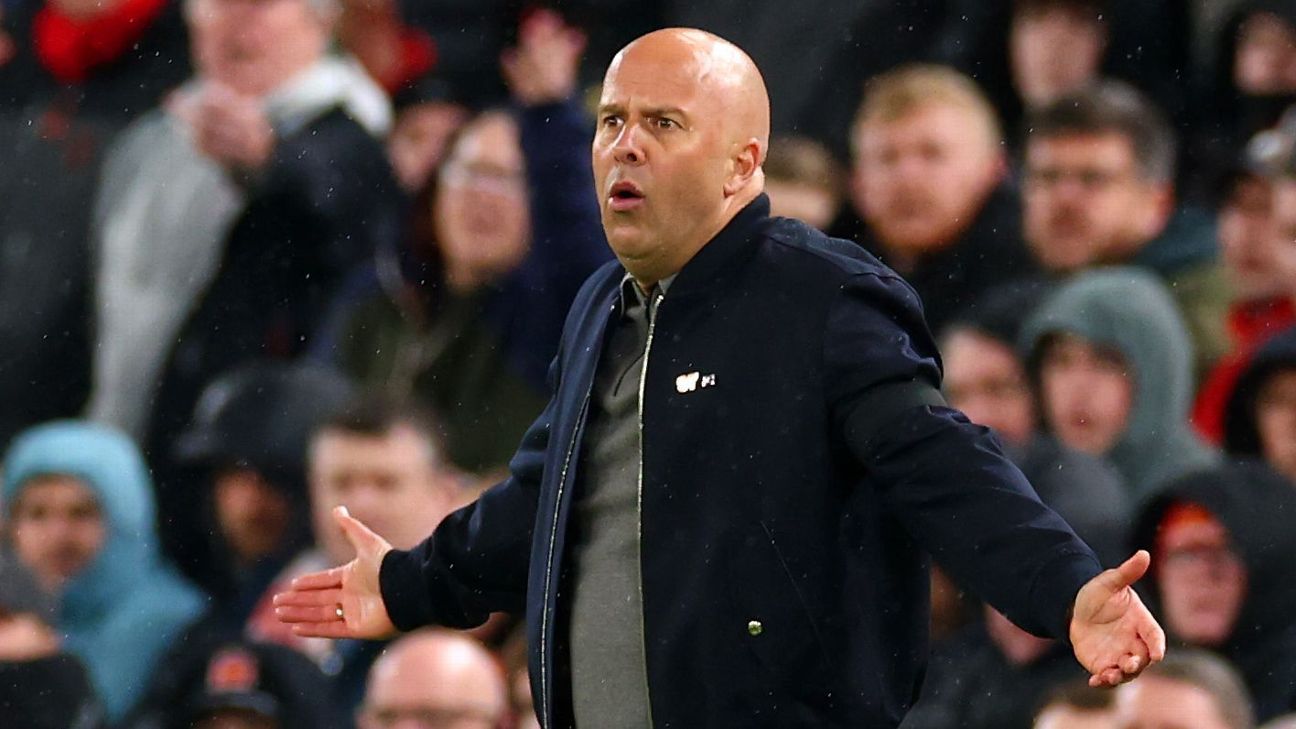
As Liverpool’s struggles mount, Arne Slot finds himself at the epicenter of scrutiny. Having initially been regarded as the perfect successor to Klopp’s legacy, his management tactics are now being interrogated. After Liverpool’s 3-0 home defeat to Nottingham Forest, which marked the first time the club lost successive league matches by three goals since 1965, critics are relentless. The unique pressure of managing a club with such a storied history compounds the difficulties facing Slot in this critical phase of the season.
Slot unabashedly accepts the blame, acknowledging his responsibility for both victories and failures. Yet, as he grapples with a disobedient squad, questions arise about how to navigate the myriad challenges positioned against him. The apparent disconnection between Slot’s vision and the players’ execution emphasizes a deeper need for unity and understanding. While Slot visibly believes in the quality of his team, bridging the gap between potential and performance remains daunting.
Liverpool’s current predicament showcases the tumultuous journey that often accompanies elite sports. While the summer signings held the promise of a bright future, they have instead become instrumental in revealing the structural shortcomings within the squad and tactics. The unyielding pressure mounts on Slot and his players to redefine their season and find a way back to winning ways, lest they wish to be remembered as the worst defending champions in Premier League history.