MLS announces 2026 schedule featuring a 7-week hiatus for the World Cup.
Major League Soccer’s 2026 World Cup Hiatus: An In-Depth Look at the Schedule and Implications
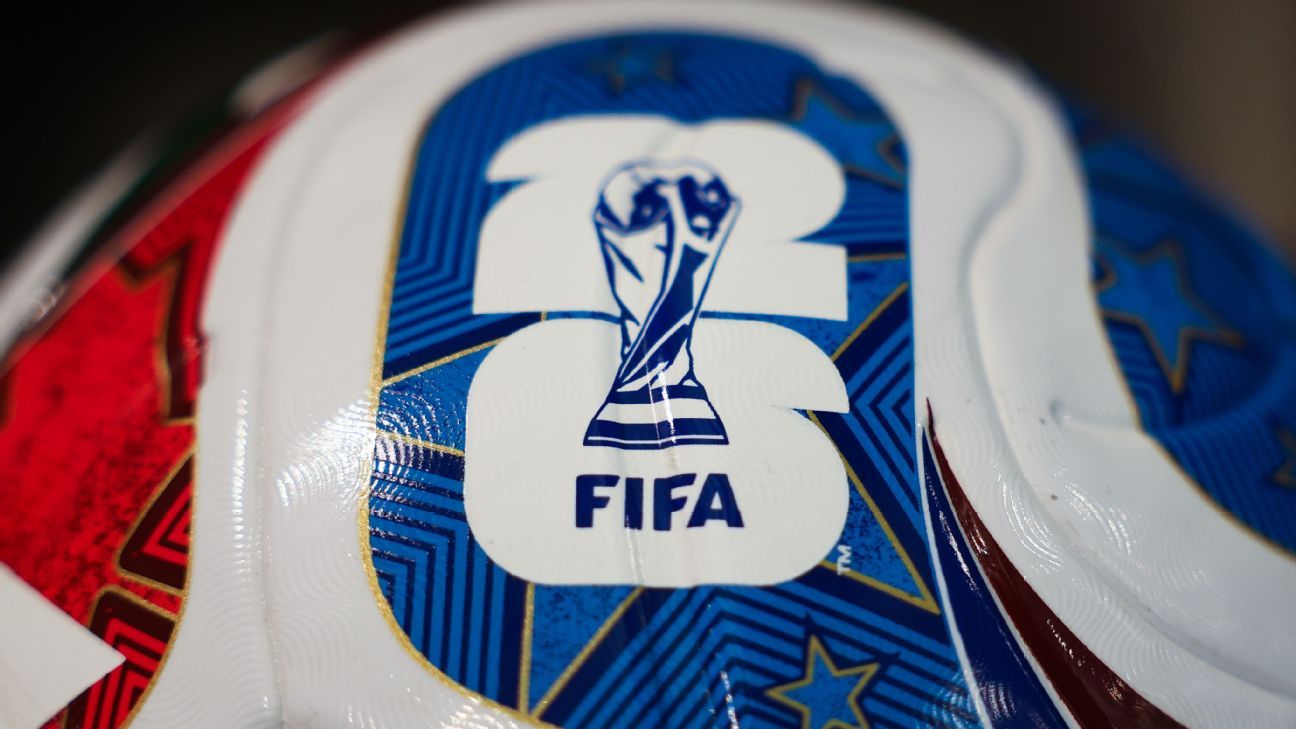
As anticipation grows for the 2026 FIFA World Cup taking place across the United States, Canada, and Mexico, Major League Soccer (MLS) has made a significant announcement that will alter the league’s structure for that season. The decision to pause league play for seven weeks, from late May to mid-July, is primarily designed to allow players to join their national teams for this monumental international tournament. The changes not only highlight the growing influence of MLS but also reflect its commitment to aligning with the global football calendar.
Key Dates in the 2026 MLS Season Schedule
One of the most exciting aspects of the newly revealed MLS calendar is its key dates, which promise to kickstart the season with fervor. The league will commence on February 21, 2026, with a highly anticipated match between Inter Miami and LAFC at the historic LA Coliseum. This opening night is set against the backdrop of burgeoning excitement around Inter Miami’s newest player: global superstar Lionel Messi.
Further building on the anticipation, Inter Miami will unveil their new home ground—Miami Freedom Park—on April 4, when they host Austin FC. This monumental event not only signifies a new chapter for the team but also embodies the growth of soccer in the region, especially following the high-profile signing of Messi, which has already drawn increased attention to the franchise. These inaugural matches are just the tip of the iceberg, with the regular season extending until November 7, when teams will battle it out on Decision Day.
World Cup Impact on the MLS Landscape
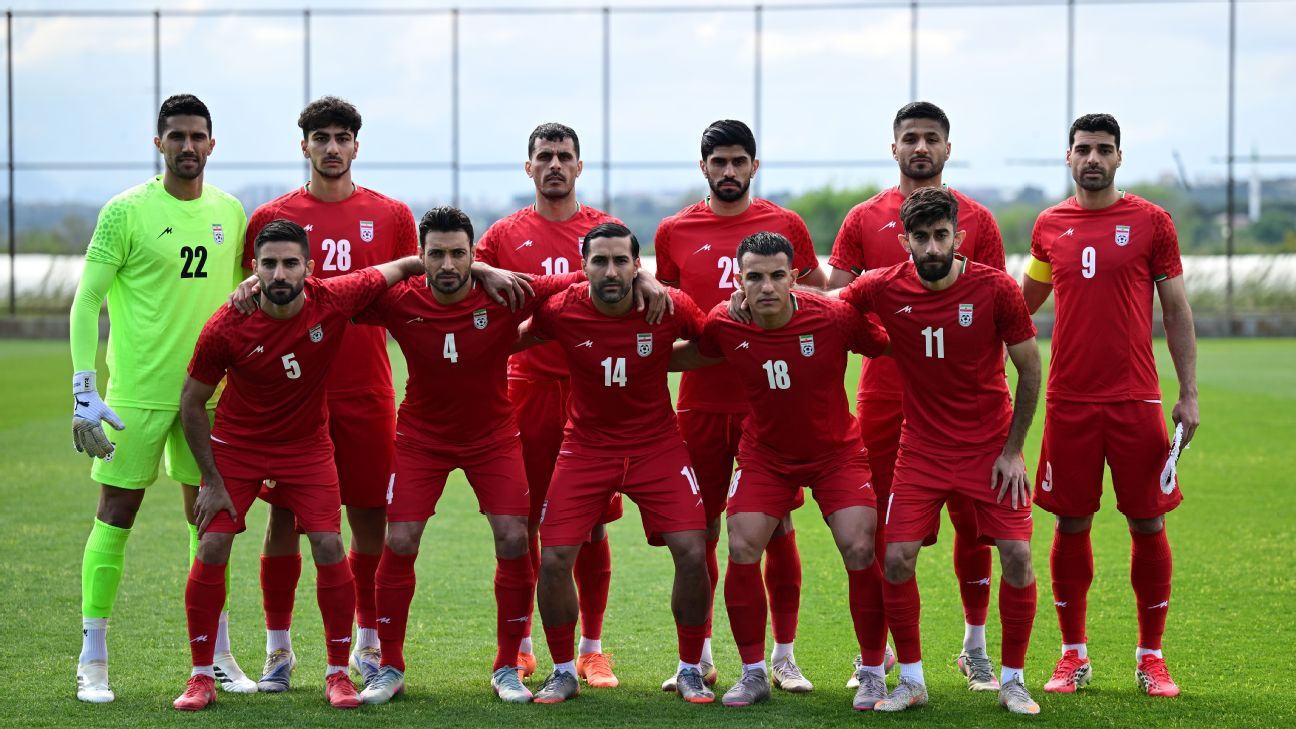
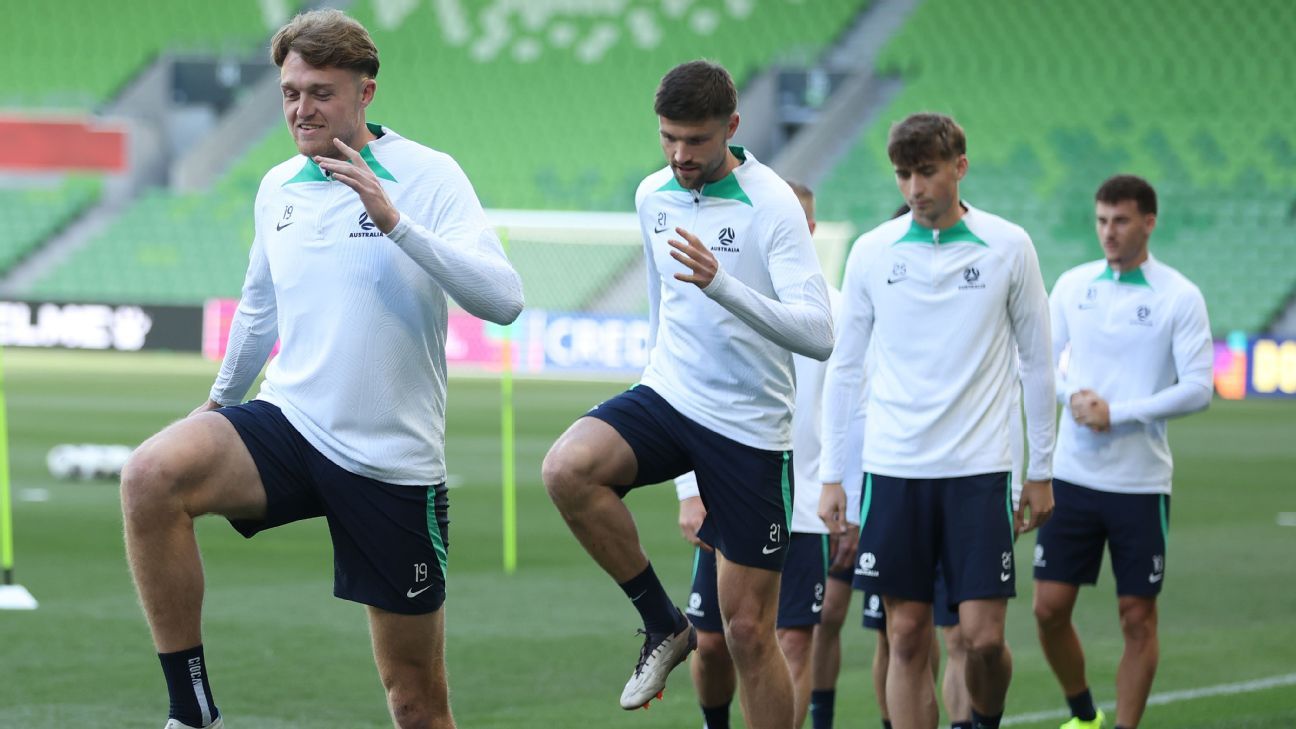
For the first time, MLS will accommodate a prolonged break during the World Cup to ensure that its players are well-represented on the international stage. The league will recess from May 25 through July 16, directly aligning with the World Cup schedule, which kicks off in Mexico City on June 11. This move reflects a growing trend in professional soccer leagues worldwide that prioritize international competitions as integral to the sport’s fabric.
The decision to pause is fueled by the expectation of a record number of MLS players making it onto World Cup rosters, marking an important step in the league’s evolution. In the past, MLS has taken only short breaks during World Cups, but the growing international presence of MLS stars necessitates a more substantial hiatus. This bold choice not only demonstrates MLS’s recognition of its players’ aspirations but also elevates the league’s status on the global soccer stage.
Regular Season Format and Playoff Outlook
As the regular season kicks off in February, every team will play a total of 34 matches, dividing their schedule evenly between home and away games. This includes a series of matchups against conference opponents and cross-conference games, which have historically contributed to the league’s competitive landscape. The structure ensures that every club engages in a diverse array of matches, enhancing fan engagement and heightening rivalries.
The season finale on Decision Day, November 7, will pave the way for the playoffs, which will begin on November 18. MLS has adeptly decided to observe the November FIFA international window, granting teams a moment of respite before the postseason begins. This strategic decision aims to minimize disruptions, thereby promising a month of high-stakes action leading to the crowning of the 2026 MLS Cup Champion.
The Role of Players in Shaping the League’s Future
The impending break for the World Cup serves not only the players but also reflects a larger vision for MLS. By prioritizing international commitments, the league affirms its status as an integral part of the global soccer community. With stars like Messi and other international talents expected to shine on the world stage, attention drawn to the league will likely result in heightened viewership and fan engagement.
Moreover, such initiatives suggest an ongoing transformation in how soccer is perceived and consumed in North America. The league is effectively creating a narrative that intertwines MLS’s growth with the historical context of international competition, shaping the future of soccer in the region.
In summary, the 2026 MLS season heralds an era of integration between league play and international football, setting the foundation for a competitive and world-focused future while promoting the sport’s growth across North America.