2026 World Cup Team Rankings: Every National Squad with a Chance to Win Next Summer
The Importance of Talent and Form in World Cup Contention
As the international break approaches, soccer fans globally find themselves confronted with a perennial question: what holds more significance for a national soccer team—the innate talent of its players or their current form? While passionate debates continue, a refreshing approach emerges as we delve into the rankings of national teams vying for the 2026 FIFA World Cup. This exploration not only evaluates individual talent through transfer values but also considers performance through World Football Elo Ratings. Instead of choosing sides in this age-old discussion, why not recognize that both aspects are crucial for success on the international stage?
Understanding Talent and Its Assessment
Talent, in the context of soccer, often translates into the potential and skill levels of individual players. A pivotal tool for gauging this aspect is the estimated transfer value of players, a figure that reflects market perception and demand for their skills. For instance, via Transfermarkt, we can derive a snapshot of how each player’s value contributes to the overall strength of a national team roster. With famed players like Kylian Mbappé or Lionel Messi commanding exorbitant transfer fees, one can see how player value often correlates with national team success.
In the lead-up to World Cup qualifications, this perspective underscores the disparity between teams. For example, while a team like Argentina possesses immense individual talent, with its players consistently featuring in elite clubs, there are underdogs such as Benin, whose entire roster is valued at €14.28 million—an amount eclipsed by just one of Nigeria’s players alone. Recognizing this disparity sets the stage for appreciating how teams can leverage collective talent or, conversely, struggle despite possessing high-value players.
Form and the Elo Ratings
On the other hand, form encapsulates the current performance of a team in competitive matches, most accurately assessed using the World Football Elo Ratings. This system measures a team’s success dynamically, awarding points based on match outcomes, opponent quality, and match location. For example, a team defeating a higher-ranked opponent away from home makes a statement about their current form, earning them significant rating points.
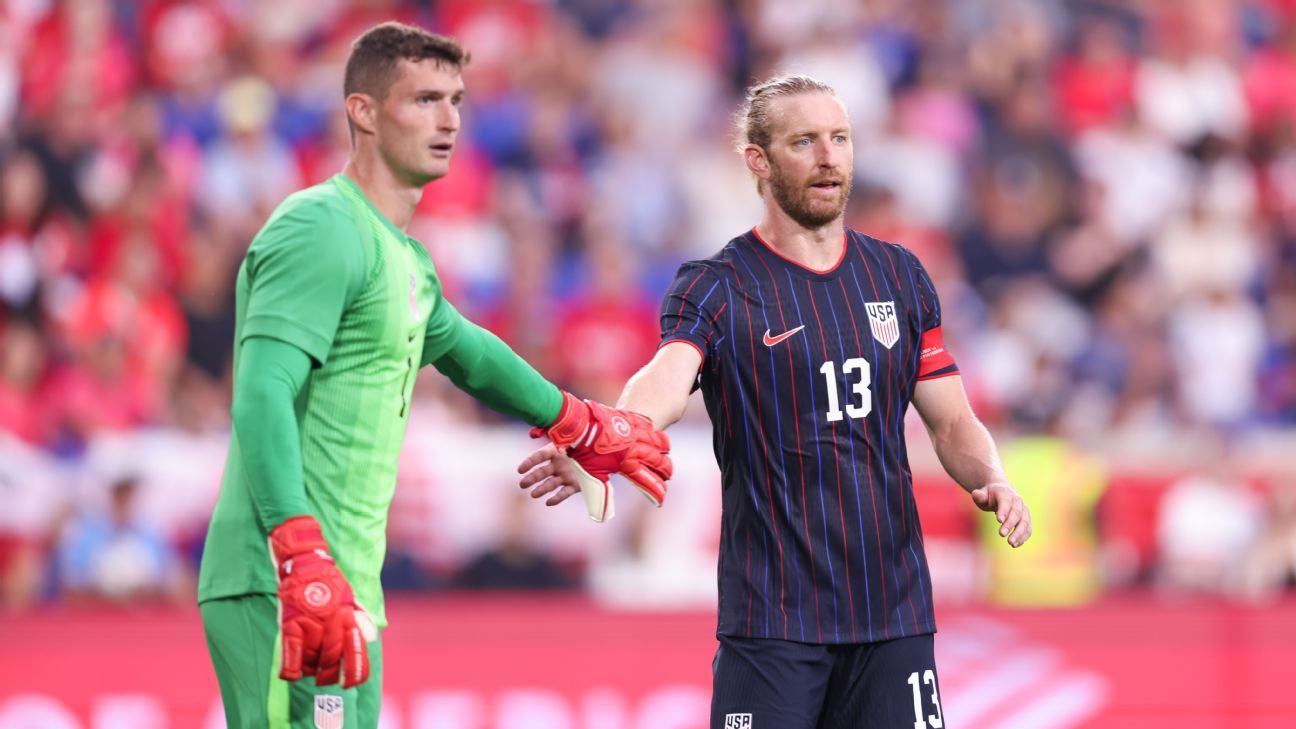
In analyzing the rankings, discrepancies surface between teams with high talent pools but poor performances. The U.S. men’s national team, for instance, showcases an intriguing paradox: valued comparably to nations like Croatia, they significantly underperform according to their Elo ranking. This phenomenon illustrates that having high-value players does not guarantee victories or consistent results.
The Complex Landscape of World Cup Qualification
As we inch closer to the 2026 World Cup, the qualification process has grown more intricate, involving additional teams and the impact of various leagues across the globe. The introduction of the Nations League has also diversified pathways for qualification, with some teams finding lucky breaks while others fade despite talent.
Consider Moldova, who, despite losing their qualifying matches, may still sneak into a playoff spot. This reflects the unpredictable nature of soccer, where the qualification structure means that even the most talent-deficient teams can have a shot at glory. Conversely, teams with a far stronger player base, like Paraguay, face an uphill battle due to inconsistent performances. The disparity in results versus potential talent underlines the need for both strategic planning and skillful execution in successful World Cup campaigns.
The Path Forward for Emerging Teams
The excitement predicted for the upcoming World Cup showcases not only traditional powerhouses but also emerging teams revitalizing the competitive landscape. Nations like Qatar and Jordan, for example, offer fresh narratives ahead of the global tournament. Their qualification signals a transformative time in soccer, where underdogs may surprise with robust performances, challenging the long-standing dominance of traditional titans.
Meanwhile, teams like Germany, led by Julian Nagelsmann, showcase how dynamism in coaching style and player integration can reinvigorate a once-sterling squad. The blend of raw talent and strategic acumen reflects the evolution of soccer, where coaching philosophy and player synergy play significant roles in determining outcomes beyond sheer talent.
By delving into these dimensions of soccer, we redefine our understanding, appreciating the multifaceted nature of talent and form. As the 2026 World Cup approaches, we prepare for a spectacle that blends individual brilliance, cohesive teamwork, and the unpredictable nature of competitive sports.