Italy shakes off pressure and nears its first World Cup since 2014.
Italy’s Journey to the 2026 World Cup: Battles On and Off the Pitch
A Turn of Fortunes
For the Italian national football team, commonly known as the Azzurri, the path to the 2026 World Cup feels anything but straightforward. This journey is punctuated by an air of uncertainty, especially after their shocking absences from the last two World Cups. Led by the passionate Gennaro Gattuso, a coach whose playing career was marked by grit and determination, the team’s characteristics mirror those of their leader. Like Gattuso, Italy’s current squad has had to navigate a rocky road, questioning their identity and proficiency on the global stage.
The recent 3-0 victory over Israel secured Italy’s spot in the qualification playoffs, yet the dream of direct qualification seems almost whimsical. Group leaders Norway would need to falter spectacularly in their remaining matches for Italy to have a chance of clinching a direct berth. Such outcomes are improbable and reminiscent of an ongoing nightmare for fans as they anxiously grapple with history. The stakes have never felt higher for the Azzurri, as they aim to prove their doubters wrong and restore their rightful place in the pantheon of footballing nations.
The Weight of History
As Italy eyes the qualification playoffs in March, the specter of past failures looms large. In the history of the World Cup, Italy has faced elimination three times through the playoff route, each time against spirited opponents. North Macedonia knocked them out last time, while Sweden and Northern Ireland also dealt devastating blows in previous tournaments. This legacy of disappointment lays heavily on both the players’ shoulders and the fans’ hearts.
Psychologically, this baggage can be a double-edged sword. The Azzurri will have to navigate the tightrope between embracing their rich history and escaping the shadows of their most painful defeats. Mark Twain once mused that while history might not repeat itself, it often rhymes—and Italian fans are well aware of this eerie echo each time their team takes the field.
Contextualizing Current Events
The atmosphere surrounding Italy’s match against Israel was marked not only by footballing expectations but also by sociopolitical tensions. The game was fraught with surreal circumstances, reminiscent of the isolation felt during the COVID-19 pandemic. Heightened security measures were in place due to ongoing unrest stemming from the conflict in Gaza, highlighting the complex relationship between sport and politics.
The match day transformed into a microcosm of contemporary Italy, where a massive pro-Palestine protest occurred simultaneously. Despite authorities ensuring that the match went on without incident, the uneasy backdrop affected the overall ambiance. It echoed the sentiment from the mayor of Udine, who declined his invitation to the game, expressing that it “doesn’t feel right” to host a team from Israel under the current climate.
Attendees faced muted excitement, with just a fraction of the stadium filled. Hundreds of passionate supporters gathered outside the venue, amplifying the stakes of the match in ways unrelated to football. Those factors cultivated a sense of apprehension that shadowed the Azzurri‘s performance.
The Game Itself
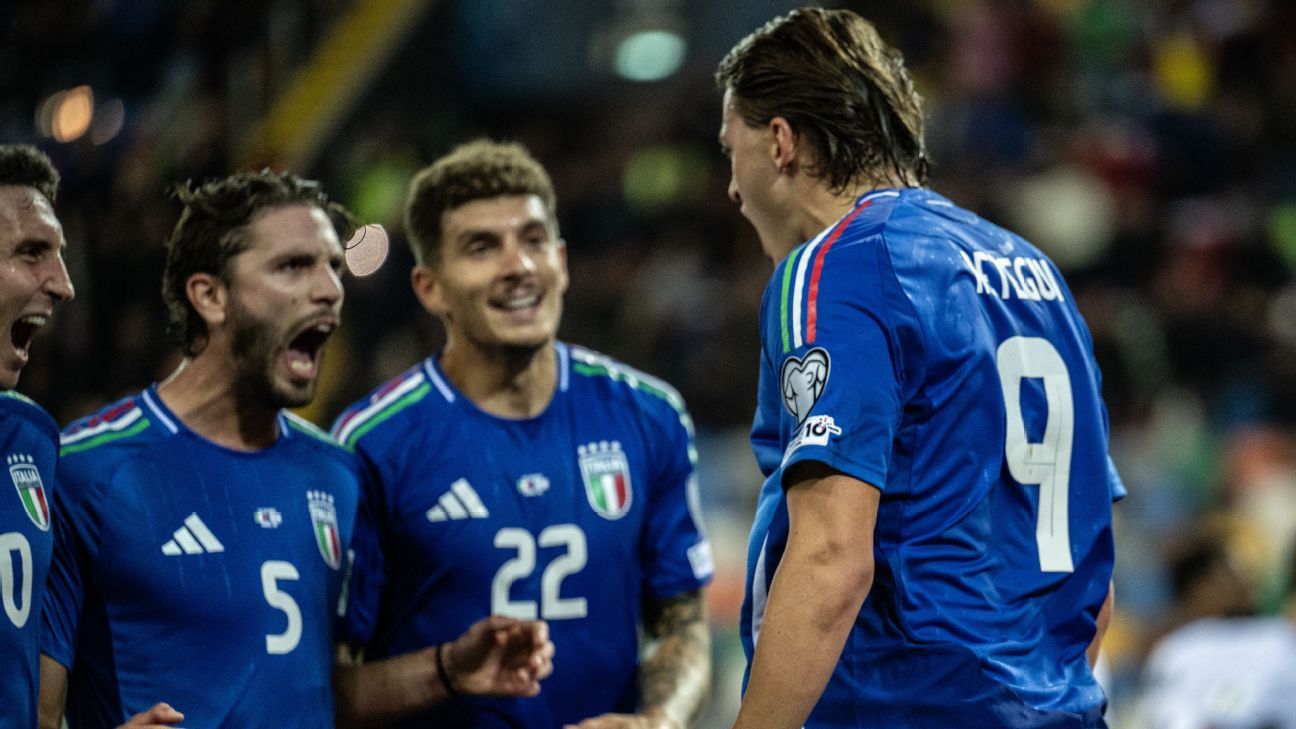
Amidst the charged environment, the match concluded successfully, ending in a convincing victory for Italy. The performance, however, was marked by a slow start. The players struggled to find their rhythm, leading to desperate moments where Gianluigi Donnarumma had to make remarkable saves. The breakthrough finally came when Mateo Retegui scored a penalty just before halftime; this seemingly straightforward goal sparked relief among fans and players alike.
With a final scoreline of 3-0, Italy emerged victorious, but lingering concerns about their consistency and approach were evident. The subsequent two goals showcased talent but also revealed the ongoing need for adjustment and cohesion within the squad. While the Azzurri are globally ranked 10th for a reason, the pressure of expectation weighed heavily on their abilities to rise to the occasion, especially knowing that an entire generation of Italian youth might grow up without experiencing the glory of a World Cup.
Back on the pitch, it was clear that what counts in football transcends rankings and statistics; it is about seizing moments and creating memories. The Azzurri stand at a crossroads, with their next match potentially defining the trajectory of a nation’s pride in football. Career careers, expectations, and, ultimately, a country’s identity are all at stake as they prepare to confront the ghosts of playoff past once again.