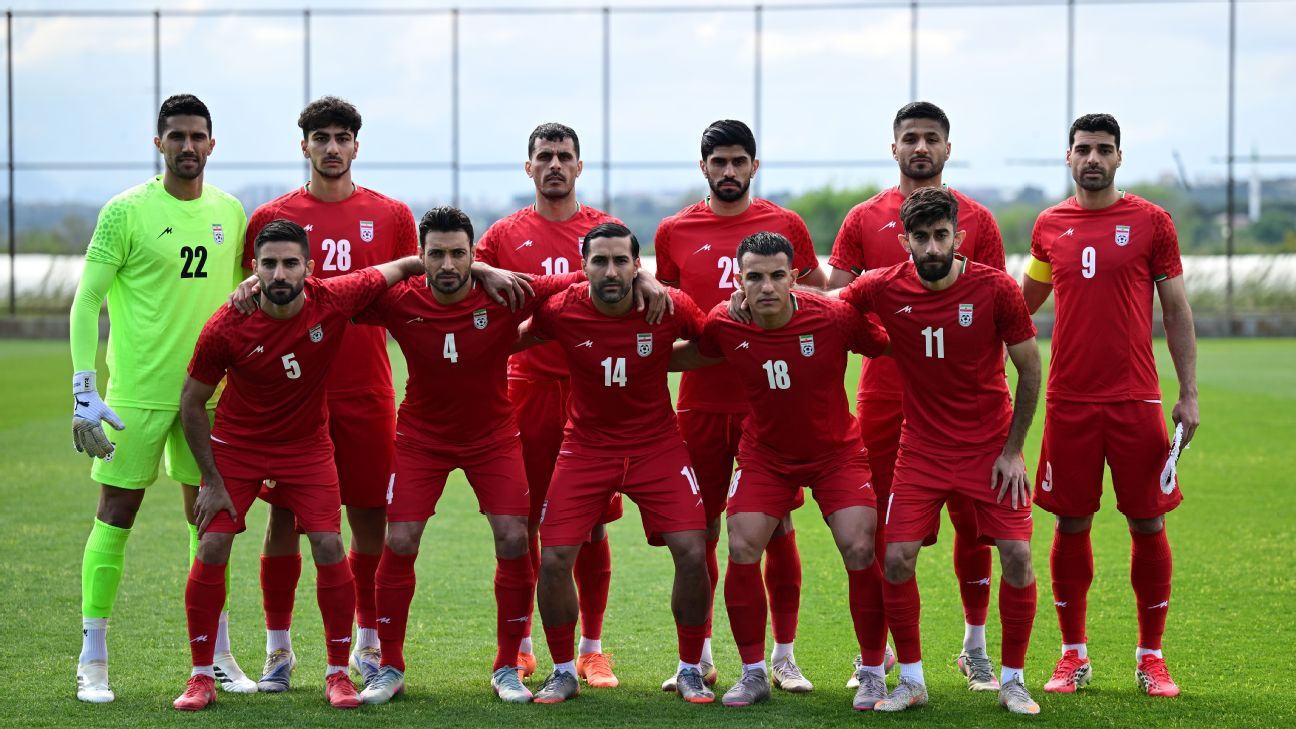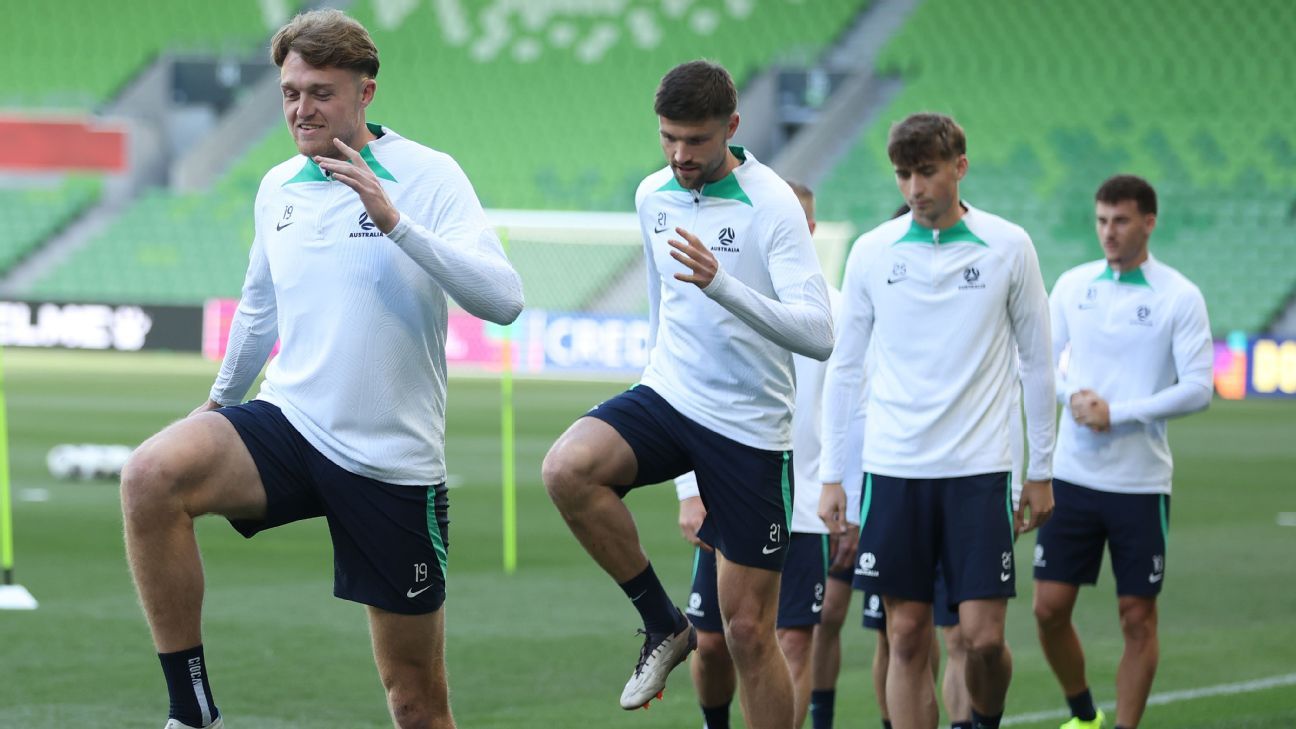
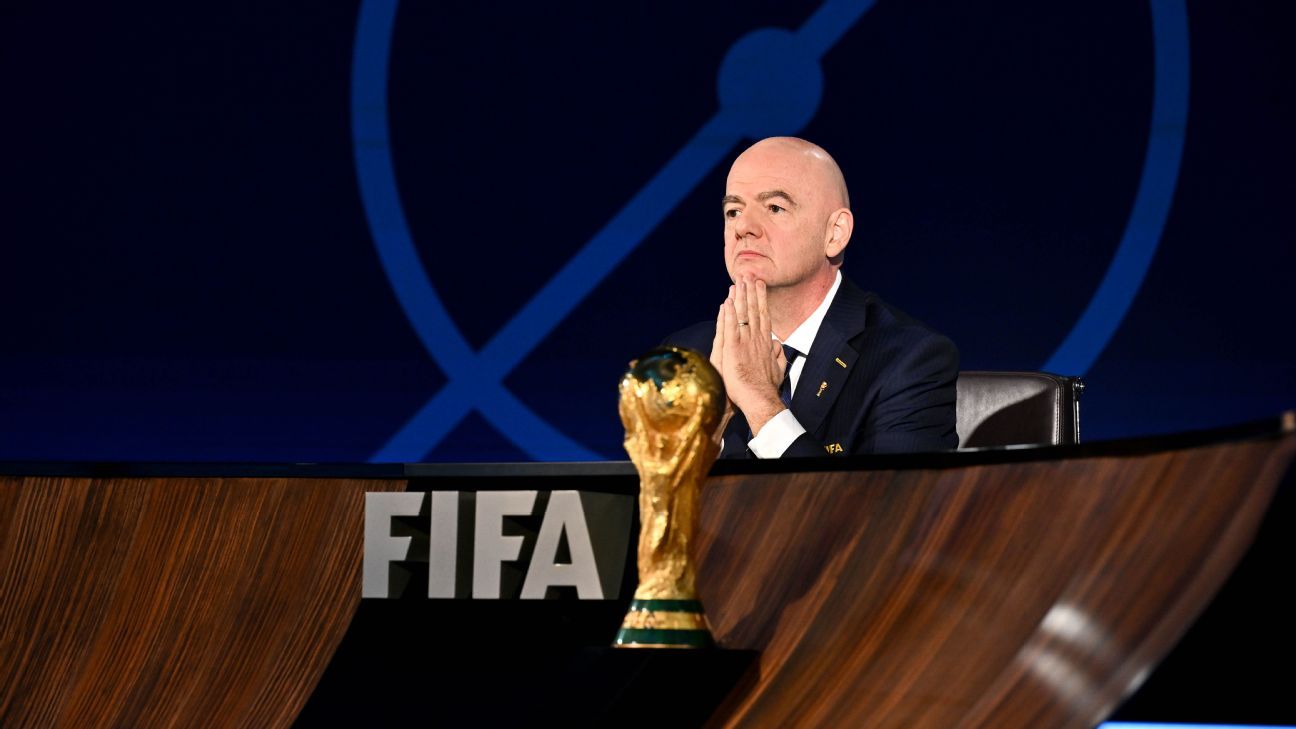
FIFA distributes more than 1 million World Cup tickets during the first phase.
World Cup 2026: A Historic Demand for Tickets
As excitement builds for the upcoming FIFA World Cup 2026, the ticket sales data reveals a resounding wave of enthusiasm among football fans. In less than two weeks since the sales commenced, FIFA has announced that over 1 million tickets have already been sold for this much-anticipated tournament, signaling a historic milestone in the world of sports. The event, collaboratively hosted by the U.S., Canada, and Mexico, not only brings together nations and athletes but also engages millions of supporters worldwide, illustrating the sport’s unmatched global allure.
The Enthusiasm of Global Supporters
The overwhelming demand for tickets isn’t just confined to the host countries. Fans from 212 different nations have joined in the spirit of the World Cup, showcasing an impressive international appeal. Particular interest has arisen from the U.S., Canada, and Mexico, the trio of nations hosting the tournament. The list of countries eager to participate doesn’t end there. Among the top purchasers are powerhouse teams and footballing nations, including England, Germany, Brazil, Spain, and Colombia, each vying to not only witness the games but potentially celebrate a national victory.
FIFA President Gianni Infantino emphasized this sentiment, expressing his joy over the incredible response from fans. “As national teams across the globe compete for a place at the historic FIFA World Cup 26, I am thrilled so many football-loving fans also want to be part of this watershed event in North America,” he stated. This response signals a historic opportunity to unite diverse cultures under the universal language of football, paving the way for camaraderie and celebration.
Ticket Sales Dynamics: Categories and Prices
The initial phase of ticket sales featured a competitive selection process, attracting 4.5 million applicants. This high volume illustrates the extensive interest, despite only 28 of the 48 participating teams being decided at this stage. Ticket prices vary widely, accommodating various budgets though many match tickets remain on the higher end of the spectrum. The lowest-priced tickets start around $60, though they are available for only a fraction of the matches. For marquee games, such as the opening match in SoFi Stadium, fans could expect to pay anywhere from $560 to $2,735.
FIFA has also introduced dynamic pricing for the first time, meaning ticket prices can fluctuate based on demand. This pricing strategy aims to balance economic accessibility with the realities of hosting an event of this magnitude. Ticket buyers can choose between four seating categories, allowing them to opt for their preferred view and comfort level. From the best seats to more budget-friendly options at the tops of stadiums, the diverse choice aims to make the event accessible to a wider audience.
Upcoming Phases of Ticket Sales
FIFA’s ticket sales are structured in phases, with the next draw scheduled to begin on October 27. Fans will once again have the opportunity to secure tickets in the second phase, running from mid-November until early December. This round will include single-match tickets for all 104 games, as well as venue and team-specific tickets. Following the final team draw on December 5, a random selection draw will allow further purchases. Fans are also being informed that tickets will be made available on a first-come, first-served basis closer to the tournament.
Moreover, FIFA has recently launched an official resale platform, aiming to facilitate the buying and selling of tickets among fans. This initiative helps combat scalping and ensures that genuine supporters have better access to tickets.
Cultural Connections: Luka Doncic as World Cup Ambassador
Adding a unique flavor to the World Cup’s narrative, Luka Doncic, the Slovenian-born guard for the Los Angeles Lakers, has been announced as a newly appointed ambassador. His diverse background and proficiency in four languages make him an ideal representative as the soccer world gears up for its grand showcase in Southern California. Doncic, an admirer of football and a Real Madrid fan, expressed his enthusiasm for the event, stating, “I’ve always been a football fan… it’s an honor to help bring people together through a sport that connects so many cultures around the globe.”
His role showcases the intersecting passion for sports in Los Angeles, a city that thrives on its vibrant culture and diversity. As the World Cup approaches, individuals like Doncic serve as bridge-builders, inviting fans from various backgrounds to unite and celebrate through sport.
The fervor surrounding the World Cup 2026 signifies not just an exciting event for sports enthusiasts but also a cultural phenomenon that connects individuals across continents, reinforcing the significance of football in fostering global community and connection. The unfolding story of ticket sales, fan connections, and cultural ambassadors contributes to a thrilling narrative leading up to what promises to be an extraordinary tournament.