Rooney Challenges Gerrard’s ‘Self-Centered Losers’ Remark about England
Reflecting on England’s Golden Generation: Rooney vs. Gerrard
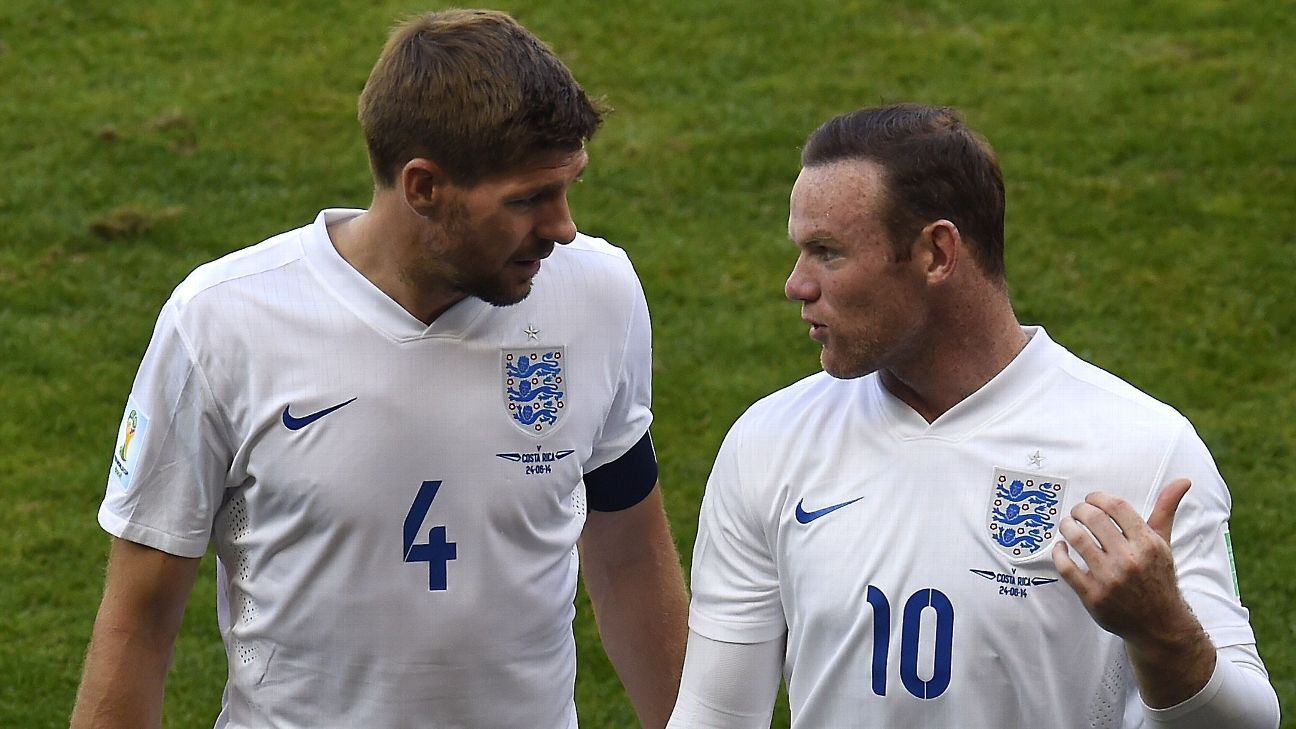
As the football world grapples with the ongoing debate surrounding the attitudes, relationships, and achievements of England’s national teams, two iconic figures stand at the forefront: Wayne Rooney and Steven Gerrard. Both players, members of what many refer to as England’s “golden generation,” have recently exchanged views that stir nostalgia and provoke thought on the dynamics of football’s evolution. Their discussions highlight crucial questions about teamwork, character, and what it takes to succeed at the international level.
The Golden Generation’s Legacy
Wayne Rooney and Steven Gerrard belong to a remarkable era in English football, characterized by a bundle of talent from clubs all over the Premier League. This group included luminaries such as Paul Scholes, David Beckham, and Michael Owen. Yet, despite the overwhelming individual talent, the team struggled to translate this into significant success in international tournaments. Speaking on his podcast, “The Wayne Rooney Show,” Rooney emphasized that the current England squad’s attitude shouldn’t be superficially compared to theirs. “I wouldn’t say [current England squads have a] better attitude,” he stated, asserting that it would be disrespectful to the dedication they displayed during their time on the pitch.
Rooney’s perspective hints at the frustration felt by him and his contemporaries, who often encountered the same questions about their failures despite the wealth of talent they wielded. The obvious question remains: what was missing?
Shackles of Ego and Disconnection
Steven Gerrard added a sharper critique to the conversation, labeling key players of his generation as “egotistical losers.” Such honesty reflects not only his sentiments but a sense of disconnection within the squad. “We weren’t a team,” he lamented, revealing a stark epiphany that might resonate with fans and analysts alike. While the players showcased remarkable skill and tenacity, the lack of seamless camaraderie impeded their chances during pivotal moments in major tournaments.
Rooney, while echoing Gerrard’s sentiment about disconnection, pointed out that the dynamics of modern football have evolved significantly. Players now often come together in domestic competitions, enhancing their relationships before uniting in the national team setup. This reality contrasts with the historically intense rivalries among clubs like Liverpool and Manchester United, notably affecting how players interacted with one another on the international stage.
The Role of Media and Public Perception
One of the defining aspects of contemporary football is the influence of media. Rooney pointed out that the current generation of players enjoys a different relationship with the press, which enhances their public perception. “The big thing is the media coverage of it is much better,” he explained. In the past, the narrative surrounding the team often accentuated their failures without sufficient context on the dynamics within the squad or the sporting environment.
In the current landscape, players like Phil Foden and Marcus Rashford train together and foster friendships that weren’t as common in Rooney and Gerrard’s time. This cohesive atmosphere potentially breeds better teamwork and support when they don the national colors. It fosters an environment where players can relax and bond, aiding them in stepping onto the pitch as a unified force rather than a collection of talented individuals.
Reflecting on Personal Relationships
Amid these discussions lay the more personal reflections of both Rooney and Gerrard regarding relationships built over time. “I speak to Steven all the time,” Rooney noted. The openness in their friendship today stands in stark contrast to the rigidity encapsulated by club loyalties during their playing days. Both players express a realization that the emotional and social bonds forged are just as crucial as technical skills on the pitch.
The camaraderie represented in their modern interactions speaks volumes about how relationships have transformed within football. It’s a change rooted in openness, a far cry from the competitive tensions that often overshadowed their international experiences. Rooney’s acknowledgment of these evolving dynamics is both a recognition of past limitations and a celebration of present connections.
The underlying themes presented by Rooney and Gerrard reveal the complex layers of England’s football history. From the frustration of unmet potential to the physiological evolution of player interactions, these narratives contribute to a richer understanding of what it truly means to represent one’s country. As conversations continue to unfold, the legacy of England’s golden generation remains a powerful and poignant chapter in the annals of football history.