Why Spain’s Talent Development System is Admired Globally
Spain’s Football Renaissance: Unraveling the Secrets of La Roja’s Resurgence
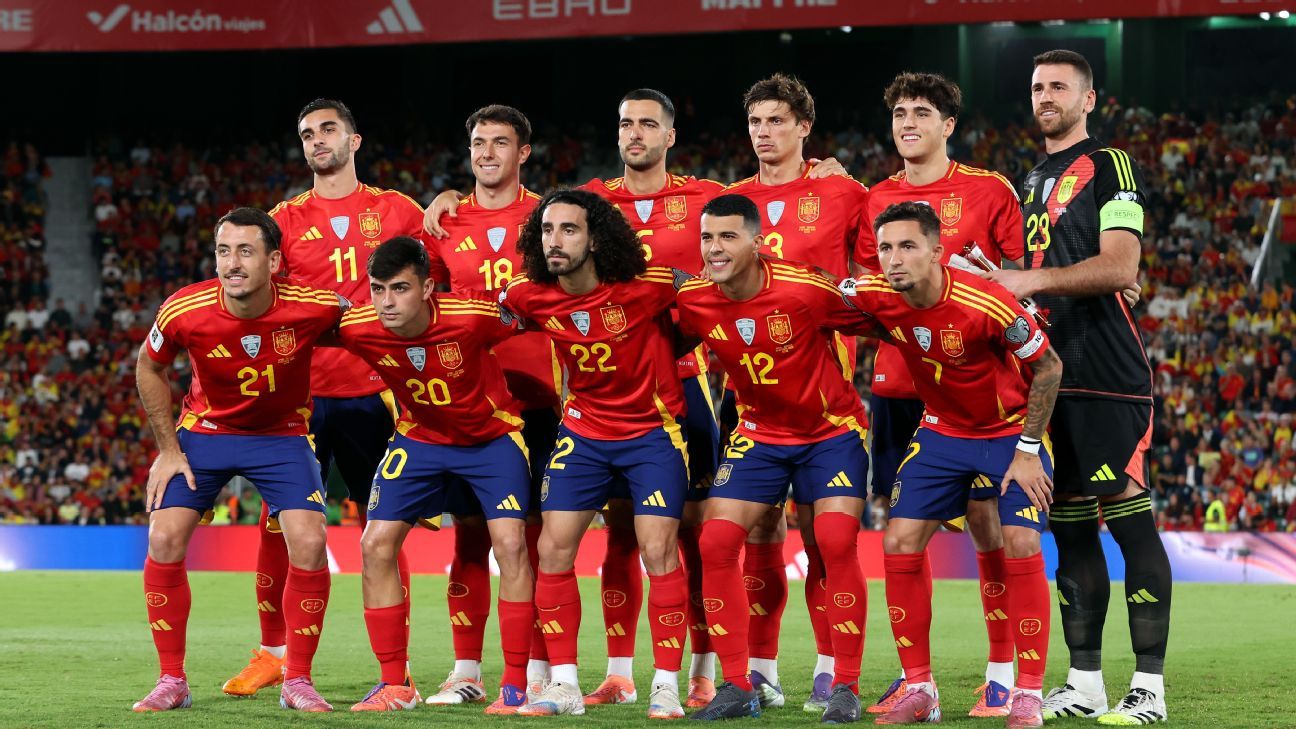
Spain’s national football team, affectionately known as La Roja, is once again basking in the glow of international success. Under the guidance of coach Luis de la Fuente, the squad has emerged as a force to be reckoned with on the global stage, showcasing a blend of talent, tactical acumen, and an impressive depth that many other nations envy. But what lies behind this newfound vigor? Let’s delve into the elements that have turned Spain into a powerhouse once more, highlighting their unique player development strategies, resilient depth, and the footballing philosophy that transcends individual talents.
Embracing Football Intelligence
One of the most striking features of Spain’s current football strategy is their emphasis on “football intelligence.” As former French international Willy Sagnol notes, this has resulted from about 20 to 25 years of meticulous planning by the Spanish Football Association. The discovery and nurturing of tactically astute players have become a crucial element of Spain’s identity.
Take, for example, the diminutive yet prodigious talent of Pedri, who epitomizes this new generation of players. Though he may physically seem slight, his understanding of the game makes him one of the best in his position. Sagnol praises how players like Pedri consistently demonstrate intelligence on the field by prioritizing team play — rushing forward to create space, offering options, and capturing the essence of what makes Spanish football mesmerizing.
This concept isn’t isolated; it’s rooted in the development practices instituted by the Spanish FA. By focusing on cultivating the cognitive aspects of football, the nation has been able to produce players who perform at a high level, irrespective of the star performers absent from a given roster. The philosophy dictates that when a player is missing, another seamlessly fills their role, maintaining the squad’s integrity and tactical execution.
Overcoming Adversity: Depth That Rivals All
Perhaps the most compelling aspect of Spain’s current success is the depth of talent within the squad. The team has repeatedly faced significant absences due to injuries or form, and yet they continue to perform resoundingly. Recent qualifiers showcased this phenomenon when star names like David de Gea, Rodri, and Dani Carvajal were sidelined, allowing players who previously lived in the shadows to shine.
This depth not only underscores the team’s resilience but also reflects an effective scouting and training process that identifies and nurtures players who can step up under pressure. During their recent triumphs against teams like Georgia and Bulgaria, Spain proved that their bench strength was just as formidable, illustrating that they could potentially field a separate team that would pose challenges to top-level competition.
With 63 players utilized in de la Fuente’s tenure thus far, the notion that only a select few can dominate international football is dispelled. Spain demonstrates a unique capability to adapt and thrive, even when top talents are out of the picture. The seamless transitions between players suggest a system that prioritizes unity and collective responsibility above individual heroics.
Tactical Affinity: Programs That Develop Winners
Another pillar of Spain’s resurgence lies in its structured approach to nurturing talent from a young age. The Spanish FA has developed a program that focuses on identifying promising players as young as 14 or 15 years old. By selecting the best talents and providing them with a robust training structure, the federation ensures that players develop within a system and philosophy that promotes both order and creativity on the pitch.
Ilia Gruev, a midfielder for Leeds United, highlights the challenges Spain poses for opposing teams, noting that the quick ball movement renders defensive efforts almost futile. Players are trained to understand their roles deeply, creating a cohesive style of play that is difficult to disrupt. This intricate understanding often translates into their interactions on the field, resulting in a fluid game that appears effortless to spectators, yet requires immense skill and training.
The focus on teamwork extends beyond mere tactics; it fosters camaraderie, as evidenced by the selflessness exhibited by players during matches. Mikel Merino’s decision to pass on a penalty kick illustrates the collective ethos that runs through the squad, enhancing their performance and morale.
A Responsive Footballing Model
In an age where football models are continuously evolving, Spain stands out not just for their historical success but for their readiness to adapt and innovate. As Sagnol rightly points out, Spain and Portugal have crafted templates for success that other nations are keen to emulate. The emphasis on long-term planning and a deep understanding of what defines ‘Spanish football’ showcases their vision.
With players receiving consistent coaching that integrates technical skills and tactical understanding, the framework becomes clear: Spain not only aims to maintain their legacy but also to evolve continuously. The success recorded over recent years — from semifinal appearances in prestigious tournaments to Olympic silver and gold medals — reflects an ongoing commitment to excellence.
The fluidity of the Spanish footballing model positions them to remain at the forefront of international competition. As La Roja rises to the occasion time and again, there’s a palpable excitement surrounding their next chapter, with endless possibilities and a bright future that could see them reclaim their place among the elite in global football.