
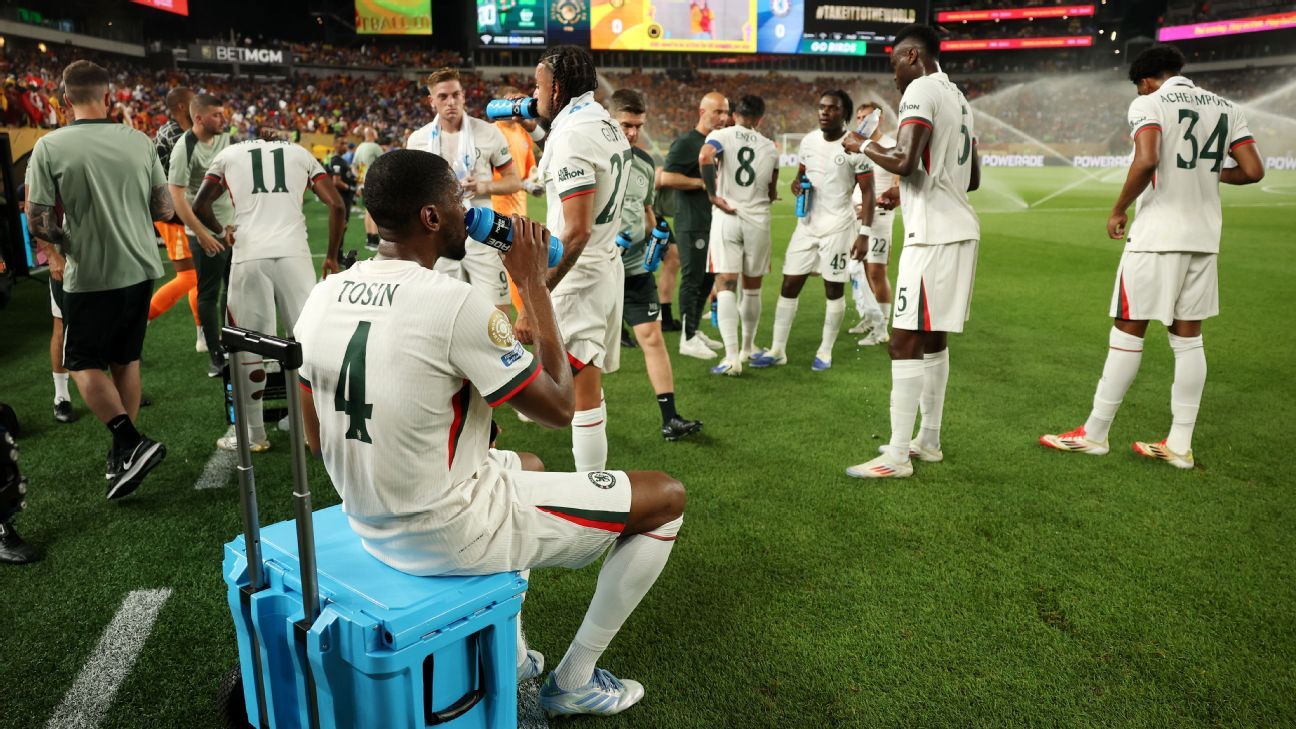
2026 World Cup to include ‘water breaks’ in each half
FIFA’s Groundbreaking Hydration Breaks for the 2026 World Cup
As anticipation builds for the 2026 FIFA World Cup, which will stretch across the United States, Canada, and Mexico, a significant adjustment aimed at player welfare has been introduced: mandatory three-minute hydration breaks in each half of every match. This decision comes with the understanding that many matches are likely to be played under intense heat, with temperatures soaring over 100°F (38°C) expected. It marks a pivotal shift not only in how games are structured but also reflects a broader commitment to player health and safety.
The Rationale Behind Hydration Breaks
FIFA’s decision to implement hydration breaks was influenced by consultations with coaches, sports scientists, and broadcasting experts. The organization recognizes that the physical demands on players can escalate dramatically in extreme weather conditions. By pausing the game at the 22-minute mark of each half, FIFA aims to prevent overheating and dehydration—two conditions that can lead to serious health risks for players.
In recent tournaments, including the FIFA Club World Cup 2025, similar breaks were initiated, but they were only enforced in cases of extreme heat. The novelty of these universal hydration breaks for the World Cup underscores FIFA’s proactive approach to player welfare and its commitment to recognizing the physical realities of elite sport. The transition to a four-quarter match format, however, may also have strategic implications for coaching tactics and player substitutions.
Anticipating Extreme Temperatures
The experience from the 2025 FIFA Club World Cup highlighted the challenges of playing in high temperatures, with players like Benfica’s Andreas Schjelderup expressing that he had never faced such extreme conditions on the pitch. The overwhelming heat not only affects players’ performance, but as Schjelderup noted, it can have serious health implications. Fellow player Enzo Fernández echoed this sentiment, describing moments of dizziness during matches. Such remarks underscore the need for this new policy, not as a luxury, but a necessity.
Indeed, with the potential for games in cities like Dallas, Phoenix, and Miami, where sweltering summer conditions are commonplace, the hydration breaks serve to ensure that athletes maintain peak performance and safety throughout the tournament. FIFA’s proactive adaptation reflects a growing recognition among sports organizations worldwide of the importance of player care, especially in light of climate change’s growing impact on sports scheduling and safety.
The Impact on Game Strategy
Implementation of hydration breaks will undoubtedly influence match strategies and game flow. Coaches will need to adapt their tactics, considering the additional stoppages to manage player stamina and substitutions effectively. This minor shift in structure could lead to a more tactical game as teams harness these pauses for brief tactical discussions or adjustments.
Moreover, the four-quarter format may favor certain styles of play. Teams that thrive on fast-paced, pressing football will have to strategize around the stops in play, while those with a more patient, possession-based approach might see improved effectiveness. Additionally, the breaks could provide momentum shifts—time for teams to regroup, reorganize, and rethink their approach, potentially making the matches even more thrilling.
Broader Implications for Global Tournaments
FIFA’s decision to introduce hydration breaks in the 2026 World Cup may set a crucial precedent for future international tournaments. It reflects an evolving mindset in sports management, recognizing the interplay between player health and performance. This initiative could inspire other sports bodies to adopt similar regulations, further prioritizing athlete welfare.
Hydration breaks could transform how we view not only soccer but sports on a global scale, pushing organizations to adapt their practices in line with increasing environmental challenges. As temperatures rise globally, FIFA’s forethought could prompt a widespread reexamination of tournament logistics, scheduling, and the importance of athlete conservation during strenuous events.
Through these hydration breaks, the 2026 World Cup aims not only to enhance player performance but also to set a standard for environmental and player care that resonates across various sports. This combined focus on athlete welfare and innovative approaches to tournament structure may just redefine future sports landscapes.