
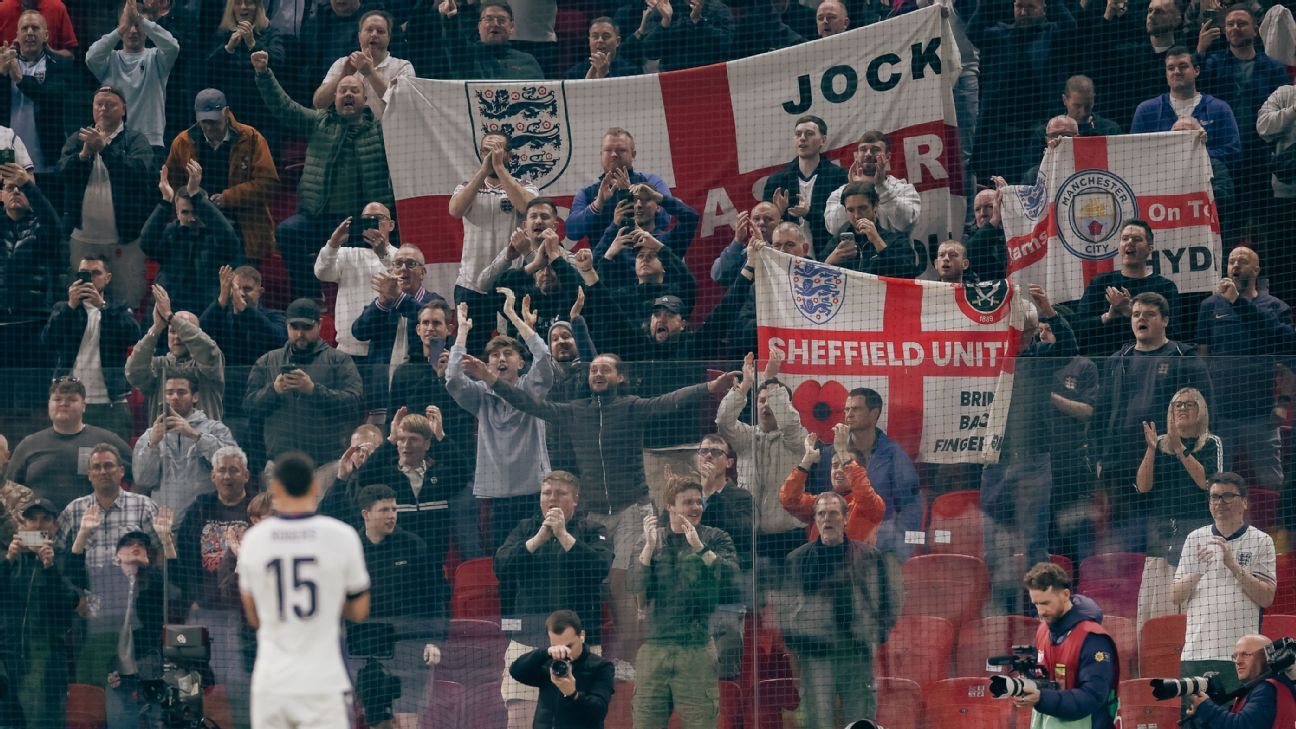
2026 World Cup: £200 Tickets for England? Croatia Sets Standard for Opening Match
England Fans and the 2026 World Cup: Ticket Pricing Insights
As the world gears up for the highly anticipated 2026 World Cup, excitement is palpable among fans worldwide, particularly English supporters. The upcoming tournament is a significant event, and for many, attending the opening match is a dream come true. It’s now been revealed that this dream comes with a hefty price tag, with tickets for the opening game against Croatia in Dallas expected to cost around £200. This article delves into the ticket pricing details, the structure of the sales process, and the broader context of the World Cup experience.
Ticket Pricing Breakdown
The Football Association (FA) is set to release further ticketing details soon, but the Croatian Football Federation has already shared its pricing structure for the match. According to their announcement, the Category 3 tickets, which are seen as the value tier, will retail for approximately $265 (£198). For those who seek a better experience, standard tier tickets will be available for $500 (£373), while premier seats can go up to $700 (£523). With the overall allocation for the game being 4,022 tickets, it’s evident that prices are structured to appeal to various budgets, albeit at a substantial cost for fans.
For many supporters, especially those following England, the thought of spending nearly £200 for a ticket could spark discussions about affordability and value. The fact that these prices are fixed—meaning they won’t be subject to dynamic pricing strategies employed by many modern ticket vendors—offers a sense of predictability. However, the initial price point may still prompt concerns about accessibility, as significant travel and accommodation costs add to the financial burden of attending.
The Ticket Acquisition Process
A random selection draw will be conducted by FIFA to manage the sales process, creating an air of excitement and unpredictability among fans eagerly awaiting their chance to secure tickets. The draw, set for Thursday at 4 PM UK time, will allow any fan—not just those associated with the England Supporters Travel Club (ESTC)—to participate in the ticketing frenzy. This broader access has the potential to increase competition for tickets, with fans from around the globe vying for spots at what promises to be an electrifying event.
Once the draw takes place, fans will have until January 13 to submit their requests. The key here is that there’s no limit on the number of tickets they can order, contributing to the potential chaos of demand against available inventory. After the sale window closes, supporters will receive confirmation about their successful purchases, at which point their credit cards will be charged. For many, hitting “submit” on their order will be laden with hope and anticipation.
The Broader Context of the 2026 World Cup Experience
The excitement surrounding the World Cup extends beyond mere ticket prices and individual matches. For many fans, the tournament embodies a significant cultural event, an opportunity to bond with fellow supporters and celebrate football on the global stage. As England prepares to take on Croatia, which is a rematch of their nail-biting clash in the 2018 World Cup semifinals, the stakes feel even higher. The historical context of this matchup only adds to the drama, heightening anticipation for both teams’ supporters.
This experience also involves logistical considerations such as arranging travel, accommodations, and fan gatherings. With expected larger crowds and a vibrant atmosphere, cities hosting matches will look to cater to the influx of fans, adding a festival-like ambiance to the events. Pubs and restaurants are likely to remain open late to accommodate supporters seeking to celebrate or commiserate after matches, fostering a community spirit that permeates through the tournament.
Looking Ahead to Future Matches and Ticketing Trends
As the World Cup approaches, all eyes will be on the evolving ticketing landscape and how it reflects broader trends in sports events. FIFA’s approach, including fixed pricing for the PMA allocations, indicates a shift toward accessibility and fairness, though challenges such as affordability will persist. With increasing emphasis on fan experience, there is hope that future matches may utilize innovative methods to enhance ticket accessibility without compromising the financial sustainability of events.
Ultimately, as the countdown to this historic tournament continues, England’s fanbase, and indeed fans across the globe, will remain engaged, discussing, debating, and dreaming of the matches to come. With the opening match against Croatia poised to set the tone for the tournament, the anticipation is mounting, making ticket sales a hot topic in lead-up to June 17, 2026.